What is Subfloor Ventilation?
For many homeowners, property maintenance is focused on cosmetic improvements: fresh paint, cutting the grass, or a well-kept garden.
However, many properties in the United Kingdom are built with a suspended timber floor, meaning that there is a void between the underside of the floorboards and the ground below, which may be soil or concrete. The subfloor void is an essential component of the structure of the building, but many homeowners may not even realise it is there.
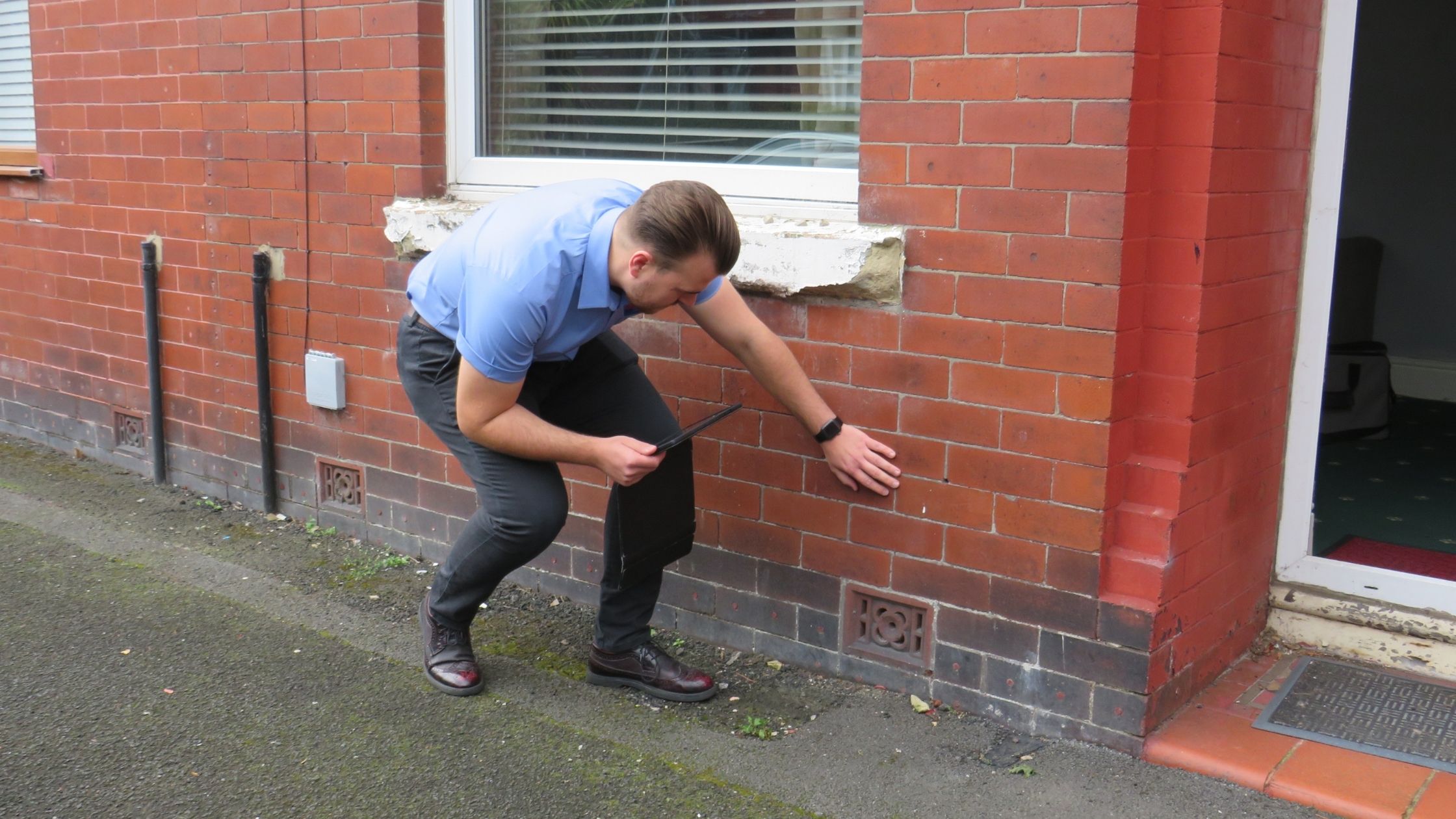
While it may seem like a waste of space, it plays a vital role in the structural integrity of your property. Subfloor ventilation, often in the form of airbricks, is the essential process of allowing fresh air to circulate through the void to keep structural timber joists dry.
Without this airflow, you are essentially leaving the underside of your property in a damp, dark environment where problems such as fungal decay, condensation or woodworm infestation can occur.
Why is Subfloor Ventilation So Important?
The subfloor void is naturally prone to dampness because it sits directly above the soil. While many properties are built with a damp-proof course to prevent the upward movement of moisture in the supporting walls, some older properties may not be protected. When timber is in contact with masonry that is susceptible to damp, problems can occur.
The ground below a property will contain groundwater, which can rise upwards through masonry, and if the timber is below ground level, moisture can penetrate laterally.
During periods of bad weather, the soil may become saturated, and moisture evaporates into the void. Without adequate airflow, this moisture has nowhere to go and becomes trapped.
If the moisture content of timber reaches 18-20%, it can create conditions for fungal spores to germinate, and fungal decay can take hold in the subfloor void.
Problems caused by a lack of underfloor ventilation
There are several problems that can occur if air bricks or other forms of subfloor ventilation become blocked, reduced by building work or damaged. This is why it is so important to keep these clear in order to provide ventilation under your property.
- Dry Rot (Serpula lacrymans): This is the most serious threat to any building containing structural timber. Dry rot can spread through masonry to find new timber to destroy, leading to severe structural failure. It can take hold in damp, dark areas with a lack of ventilation, making subfloor voids one of the most common places dry rot is found.
- Wet Rot: While generally less aggressive than dry rot, persistent moisture causes wet rot; timber loses its structural strength, becoming spongy and brittle over time. This is common in timber joists in contact with damp masonry.
- Woodworm Infestations: Many wood-boring beetles are attracted to damp or decaying timber. The moisture softens the wood, making it easier for larvae to bore through and consume the wood fibres.
- Musty Odours: Damp subfloors often produce a distinctive musty smell that can permeate the living areas of the home, affecting indoor air quality.
If you think timber in your home is affected by fungal decay or woodworm and would like professional advice, a damp and timber survey from an experienced and qualified surveyor is recommended.
UK Building Regulations and Requirements
To combat the risks of timber decay, UK building regulations have established specific requirements for air bricks and vents to ensure ‘cross-flow’ ventilation.
What is Cross-Flow Ventilation?
The principle of cross-flow ventilation is simple: air must be able to enter from one side of the building and exit through the opposite side. This creates a continuous stream of fresh air that carries away rising moisture before it can condense on the timbers.
If air bricks are only located on one side of a house, “dead air” pockets form at the far end of the void. In these stagnant areas, humidity levels can increase, which can lead to damaging fungal decay over time.
Common Causes of Subfloor Ventilation Failure
Despite regulations, subfloor dampness remains a major issue in many UK properties.
As part of our damp and timber survey process, our surveyors will always inspect both the exterior and interior of a property, and one of the most common building faults found is a lack of ventilation. This ultimately leads to damp and timber problems inside the property.
Blocked Air Bricks
Over time, air bricks can become clogged with cobwebs, garden debris, leaves, or soil. In many cases, homeowners accidentally block them when adding new flower beds or piling mulch against the house walls. Some occupants may try to block airbricks in an attempt to reduce draughts and reduce energy bills, thereby risking severe structural damage in the long term.
Property Alterations and Extensions
Many subfloor issues are caused by DIY fixes or home improvements. New extensions, conservatories, or raised patios are often built directly over original vents, cutting off the air supply to the older part of the house. A clay pipe should always be installed under the new floor to allow through airflow if extensions are being added to a property, especially if they have a solid floor.
Insufficient Ventilation Area
In older properties, the original number of air bricks may simply be insufficient for the size of the floor area. As modern standards have improved, we now know that many Victorian or Edwardian homes require additional vents to deal with damp issues. Often, front gardens are paved over, meaning the air bricks are covered, or water is more likely to pool around the foundations of a building.
High Ground Levels
If the external ground level has been raised (for example, by laying a new patio on top of an old one), the air bricks may end up below the ground line. This may bridge the dampcourse, block air circulation or allow rainwater to pour directly into the subfloor void during periods of heavy rain.
Signs You Have a Problem
Because the subfloor void is out of sight, problems occurring below your property may go unnoticed until it is too late. This means that Homeowners often only realise there is an issue when the damage has already taken place.
Look out for these warning signs:
- Springy Floorboards: If your floorboards feel ‘soft’ or uneven underfoot, especially against the walls where joists are in contact with the masonry.
- Damaged Skirting Boards: Skirting boards that are warping, cracking, or pulling away from the wall often indicate high moisture levels.
- Musty Smells: A persistent earthy or damp smell that won’t go away with cleaning is a classic sign of subfloor dampness.
- Fungal Growth: The appearance of mushroom-like structures from behind the skirting boards or white, fluffy ‘cotton wool’ growth at the edges of the floor is a sign of advanced dry rot.
Professional Solutions from Rentokil Property Care
The best way to ventilate a subfloor depends entirely on the unique layout and age of your property. Because every home is different, a one-size-fits-all approach may not be appropriate. This is why it’s useful for a professional to carry out a damp and timber survey, in order to fully understand the dynamics of your property.
Why a Damp and Timber Survey is Important
Because the costs and remedial actions vary depending on the severity of the moisture and the existing damage to the timbers, a specialist damp and timber survey is an essential first step.
A general building survey may note that air bricks are present, but it won’t necessarily tell you if they are doing their job or if the joists beneath your feet are currently being decayed by wood rot.
Our surveyors are experts in identifying the signs of damp and assessing the condition of timber. They will provide a comprehensive report detailing exactly what is needed to protect your home, and in many cases, specialist damp proofing isn’t required, just simple repairs that can be carried out by a reputable local builder.
Rentokil Property Care: Expert Protection for Your Home
As the UK’s leading damp and timber specialists, Rentokil Property Care provides:
- Qualified Expertise: We have a number of CSRT and CSTDB qualified surveyors who are experts in understanding damp and timber problems and the damage they can cause buildings.
- Personalised Advice: A surveyor will take the time to inspect your property, providing you with recommendations specifically for your property, all detailed in an easy-to-read survey report.
- Long-Term Guarantees: Many of our timber treatments and damp proofing methods come with long-term guarantees for long-term peace of mind.
Summary Checklist for Homeowners
Regular maintenance is key to preventing long-term problems. To ensure your home remains safe, follow this simple maintenance checklist:
- Check Air Bricks: Ensure all vents are clear of cobwebs, leaves, soil, and garden debris.
- Avoid Blocking Vents: Never build flower beds, patios, or sheds over existing air bricks.
- Inspect Your Floor: Feel for “springy” floorboards or warped skirting boards; you may require professional assistance.
- Note the Smell: Take action if you notice a persistent musty odour in ground-floor rooms.
Take the Next Step: Protect Your Timbers from Rot
Don’t wait for your floorboards to fail or for costly rot to spread through your home. If you think you have a problem with sub floor ventilation, or have noticed the signs of timber decay, get in touch with Rentokil Property Care Book a Damp and Timber Survey with Rentokil Property Care and have a qualified expert provide you with advice and recommendations on how to protect your property. They will thoroughly inspect your property and provide you with a survey report to make sure your subfloor ventilation meets the necessary standards and keeps your home’s structure safe for the long term.