


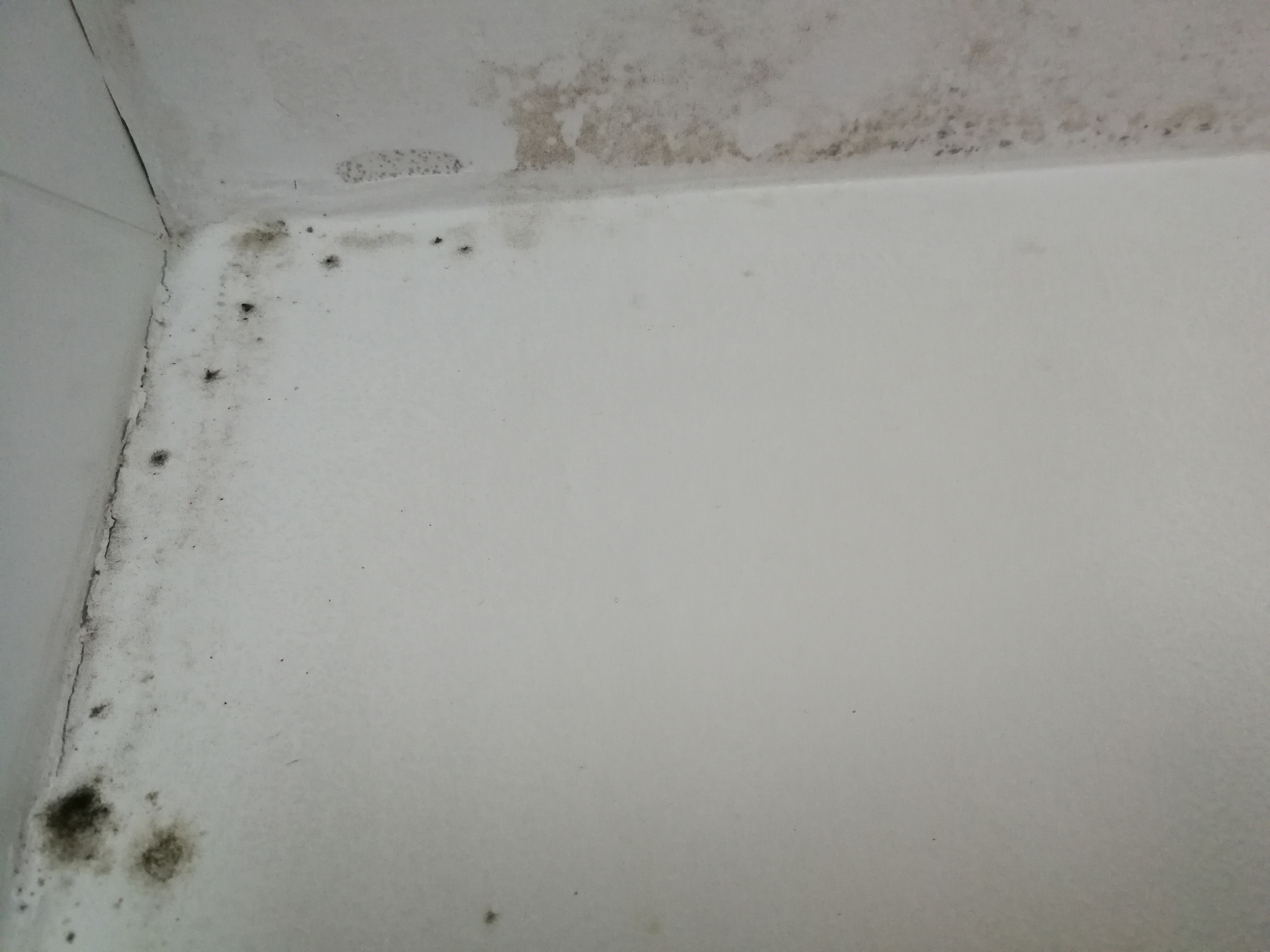
What causes condensation on walls and ceilings?
A family of four will on average produce 14 litres (24 pints) of water vapour daily through tasks such as bathing, washing, cooking and even breathing, so keeping a house correctly heated and well ventilated is an important step in preventing condensation.
Condensation occurs naturally in homes, when warm moist air hits a cold surface and condenses at what is known as ‘dew point’, depositing moisture onto the surface. 1 in 5 properties in the UK will suffer from condensation at some point. Properties with solid walls rather than cavity walls are more susceptible as the cold walls provide a condensing surface. Similarly, solid concrete floors in flats can provide a condensing surface if the edge is in contact with the outside air and forms a ‘cold bridge’. Beads of condensation can then form on the underside in cupboards where there is limited ventilation.
Condensation is most likely to appear on windows, walls and ceilings between October and April, when the outside air temperature drops and windows get closed to keep heat in the home. If surface conditions are correct, mould spores germinate and grow, thereby disfiguring the surface.
Modern houses, with double glazing, loft insulation and draught excluders, can become more susceptible to condensation as they seal humid air produced by household activity within the property (unless ventilation is provided) and increase the chances of condensation developing on cold surfaces.
How do you treat condensation on walls and ceilings?
The good news is that condensation can easily be rectified, in most cases by ensuring there’s adequate ventilation in a property. Whilst it may seem counterintuitive during winter, it is important to give warm humid air the chance to escape by using bathroom and cooker extractor fans where they are fitted and by opening windows or vents as much as possible – even if only briefly in the morning. Covering cooking pots with lids to reduce loss of water and avoiding drying clothes indoors or in the main, enclosed areas in the property, can also help.
If condensation becomes a recurring problem (particularly in bathrooms and kitchens), you could consider applying moisture-resistant paint which is designed to withstand both moisture and steam – it will not stop moisture from forming but it will be easier to wipe areas dry and avoid water soaking in.
For a long-term fix and persistent cases, you may need to call in an independent
surveyor to improve the ventilation in your home via mechanical ventilation such as Positive Input Ventilation (PIV).
Ventilation units can improve the air quality in your home by circulating fresh air through the whole house, not just in the affected areas. Using clean filtered air from outdoors, the PIV ventilates the whole house gently from a central position, pushing the damp air out of the property, with positive results after 4-6 weeks.

Leave a Reply
You must be logged in to post a comment.