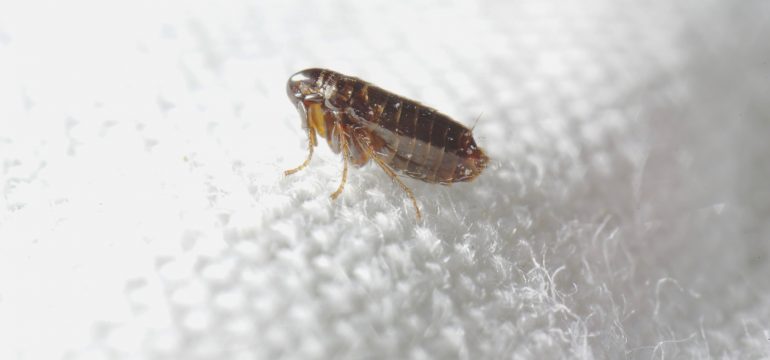

Have you spotted your cat or dog having a good old scratch lately? Your first instinct is probably to hunt through their fur for those tiny, jumping pests. But here is the itchy truth: if you actually find one, you are only seeing the tip of a much larger flea iceberg.
A staggering 95% of the flea population isn’t even on your pet. Instead, they are living, growing and waiting in the places you and your pets walk, play, and sleep, both indoors and outdoors.
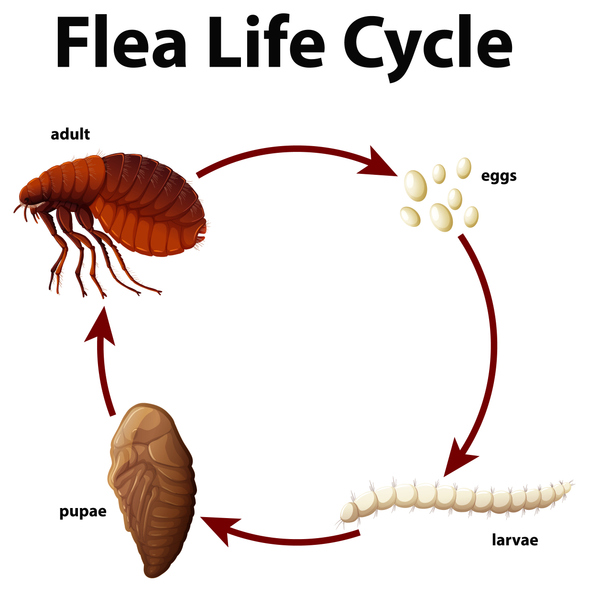
It is the adults that will hitch a ride onto a host, be that animal or human (as they feed on the blood of warm-blooded animals, including cats, dogs and people). Both males and females need blood meals for sexual development and egg production. Adult females will “seed” their surroundings with eggs, which then develop into larvae and pupae. These can be hidden in unexpected places:
- Outdoors: in moist, shady areas with low vegetation or leaf litter.
- Indoors: in flooring cracks and crevices, carpets, furniture and even soft furnishings.
Another surprise is that you and your pets don’t need to go to remote countryside areas to pick up fleas; they can be brought directly to your garden by a range of visitors.
The secret life of garden fleas
Given the right conditions, your garden can unintentionally become a breeding site for fleas if you fail to take steps to prevent it.
Why fleas love your garden
Fleas thrive in specific “micro-climates”. They seek out moist, shaded areas with plenty of organic debris. Areas such as tall grass, leaf piles, and the soil under porches or decking provide the perfect humid environment, ideally with humidity above 50%, for the flea larvae to develop.
The “saltshaker effect”
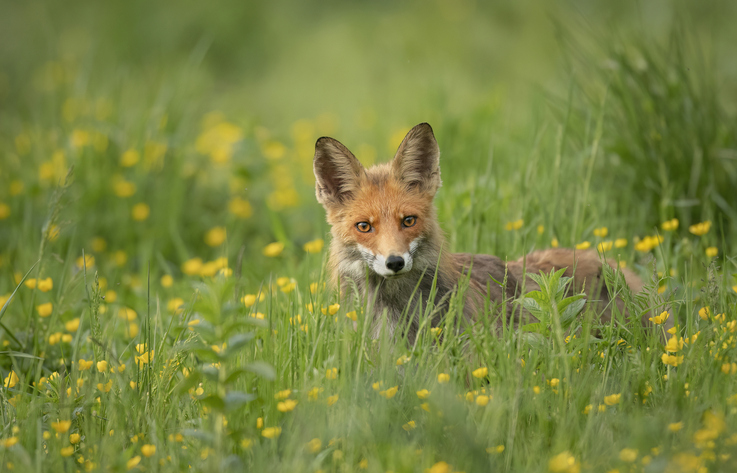
Your garden probably isn’t just a home for plants; it’s a highway for local wildlife, which can all carry various types of fleas. When a flea-infested fox, hedgehog or squirrel moves through your garden, it acts like a living saltshaker for the eggs laid by the adult females living on it.
- Seeding: A female flea on a wild animal lays smooth, non-sticky eggs.
- Dropping: As the animal moves or rests, these eggs fall off onto your grass or soil.
- Hatching: In the shade, these eggs hatch into larvae that feed on “flea dirt” (dried blood) left behind by the adults and organic matter.
How to make your garden unwelcome for fleas
To help get rid of fleas in your garden and prevent future infestations, consider these maintenance tips:
- Regular lawn care: Keep grass short and trim back overhanging bushes to reduce shaded hiding spots.
- Clear the debris: Regularly remove leaf litter and wood piles where larvae can hide from the sun.
- Don’t encourage wild animals: remove food sources that could attract foxes and rodents.
Fleas in parks and public spaces
Parks are often home to wild birds, squirrels and foxes, which can distribute fleas across paths, grassy areas and in areas covered in vegetation. Dog owners should be especially cautious when visiting local parks and public spaces, where both they and their dogs may encounter “hotspots” of flea activity and inadvertently transport flea hitchhikers home.
Protecting pests and people
Avoid the “deep” woods: Stay on designated paths and avoid areas with very tall grass or dense woodland where wildlife activity is highest.
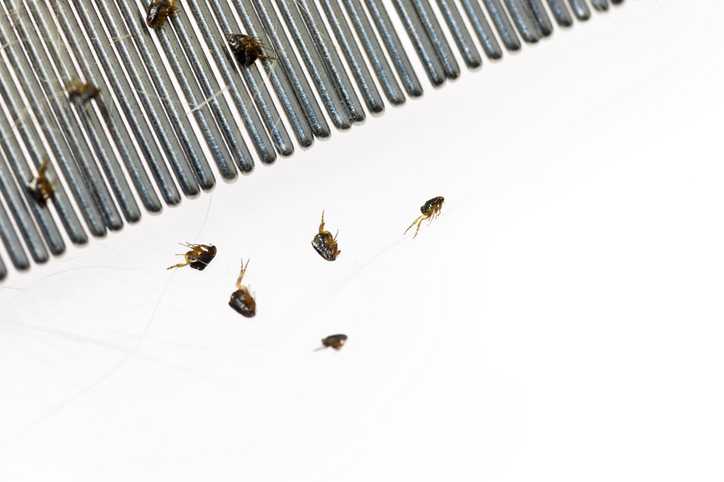
- The post-walk check: Regularly check your pet for fleas or “flea dirt”, paying close attention to your dog’s neck, armpits and groin areas, using a flea comb.
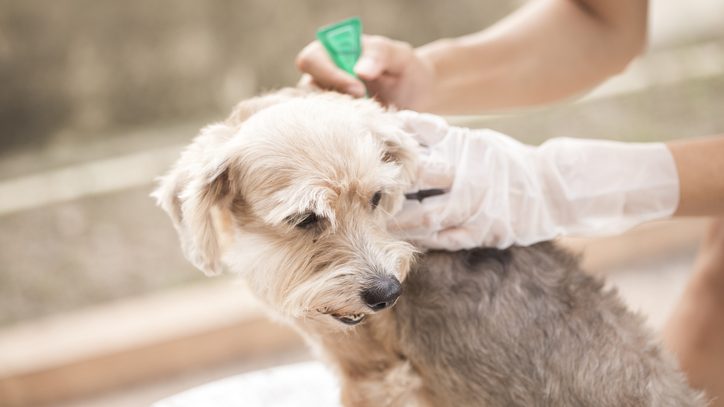
- Preventive flea treatment: various products are available, including chewables, spot-on treatments and flea collars that can protect your pets from flea infestations.
- Human hitchhikers: Remember, you can act as the bridge between the wild and the home. Adult fleas or sticky pupae can attach to your socks or trouser legs, later jumping off inside your house to find a host. Check your trousers, socks, footwear and lower legs for flea bites, fleas, flea eggs and tiny black droppings. Wash any clothing and vacuum the floor.
Wildlife are the unseen flea carriers
The UK’s wild animals, including foxes, deer, hedgehogs, squirrels, badgers, rats and mice, all carry various types of fleas. It is the cat flea, which primarily infests foxes and is responsible for 90–99% of infestations on both dogs and cats.
In urban areas, animals like foxes and rodents are attracted by available food sources, bringing their flea companions with them and potentially introducing these pests into our gardens and homes.
Risk of fleas from UK wildlife
| Wild animal | Typical flea type | Risk to pets/humans |
|---|---|---|
| Foxes | Cat flea (Ctenocephalides felis). | High. Highly opportunistic and common. |
| Hedgehogs | Hedgehog flea (Archaeopsylla erinacei). | Low. Host-specific; they rarely survive long on pets. |
| Rodents | Various species, mainly northern rat flea (Nosopsyllus fasciatus). | High. Will bite humans, especially if its primary rodent host is not available. |
| Birds | Bird flea (Ceratophyllus gallinae). | Medium. Can infest homes if nests are in the building. |
| Squirrels | Various species, mainly the grey squirrel flea (Orchopeas howardi) | Medium. Opportunistic biters of humans and pets. Infestations are more likely if nests are in a property. |
Why are fleas so resilient?
The key to a flea’s survival, and why they are so difficult to eliminate once established, lies in the biological advantages of their lifecycle, specifically the pupal (cocoon) stage.
- Dormancy: A flea in its cocoon can remain dormant for 6 to 12 months.
- Protection: The silken cocoon is naturally sticky and covered in dust or debris, making it nearly invisible in the home, resistant to most household insecticides and tolerant to harsh weather outdoors.
- Emergence triggers: An adult flea will only emerge when it detects a host through vibrations, body heat or carbon dioxide. This is why an “empty” house or a quiet spot in a garden can suddenly “come alive” with fleas when you or a pet walks nearby.
The 95% problem: why pet treatments often fail
It can be incredibly frustrating to apply vet-recommended treatments only to have your pet still scratching weeks later. This happens because most products are designed to treat the host, not the environmental reservoir where the vast majority of the population lives. The distribution of the population between the life stages depends on local conditions, but here’s a typical distribution commonly used by pest controllers and vets.
- Adult fleas — 5%: These are the active biters living on your pet, feeding and laying eggs. This is the only stage that standard vet-supplied spot-ons, collars or oral chews target.
- The environmental reservoir — 95%: This massive majority is scattered across your carpets, rugs, sofa cushions, pet bedding and micro-climates in your garden. It consists of:
- Eggs (~50%): Laid on the pet, these quickly roll off like microscopic grains of salt everywhere your pet walks.
- Larvae (~35%): These hatch and crawl away from the light, burying themselves deep into carpet fibres, floorboards and dirt.
- Pupae (~10%): Enclosed in a sticky, armour-like cocoon, this stage is highly resistant to standard household cleaners and can lie dormant for months.
The “hatch wave” illusion
Because vet treatments only kill the adult fleas that jump onto your pet, the remaining 95% left behind in your environment will continue to mature undisturbed. Weeks or even months after you treat your pet, a brand-new wave of adult fleas will hatch from their cocoons and hop right back aboard. This creates the illusion that the vet product has failed, when in reality, the environment is simply restocking the supply.
Treating only the pet is like mopping the kitchen floor while the sink is still overflowing. To completely eradicate a flea problem, you must pair your vet-approved pet treatments with rigorous environmental control, including frequent vacuuming, washing pet bedding on high heat and using targeted household and garden sprays to break the flea life cycle in the places where it actually lives.
Professional control solutions
While DIY home treatments and methods such as mowing the lawn can help with prevention, a full-blown infestation in your home is difficult to eliminate on your own.
Rentokil offers expert flea control services that target the problem at its source and provide professional solutions to control flea-carrying animals such as rats and mice. Our specialists understand the biology of these pests and can identify the specific “micro-environments” within your property where they hide.
Staying one jump ahead
By recognising that these pests flourish in gardens, parks and on local wildlife, you can adopt a more proactive approach to protection. Keep your garden well-maintained, stay vigilant during park visits, and avoid contact with urban wildlife. Most importantly, if you suspect an infestation has taken hold in your home, seek professional pest control help early to break the cycle.
FAQs
Why is my pet not the only source of fleas in my home?
95% of the flea population lives off your pet, around your home and garden. While your pet carries adult fleas, the eggs, larvae and pupae are typically hidden in carpets, furniture and outdoor areas like long grass, leaf litter and soil.
How do fleas get into my garden?
Fleas are often introduced to gardens by wildlife, such as foxes, hedgehogs, squirrels and rodents. As these animals move through your garden, they act like “living saltshakers”, dropping flea eggs onto your grass and soil.
Can humans get fleas?
Yes, humans can be bitten by fleas. While cat fleas primarily target cats and dogs, they are opportunistic and will bite humans if a preferred host isn’t immediately available. You can also inadvertently act as a bridge by carrying fleas or pupae on your clothing or footwear into your home.
Why are fleas so difficult to eliminate?
Fleas are resilient, particularly during their pupal (cocoon) stage. A pupa can remain dormant for 6 to 12 months, protected by a sticky, debris-covered cocoon that is resistant to most household insecticides. They only emerge when they detect vibrations, body heat, or carbon dioxide from a potential host.
When should I call a professional for flea control?
While regular maintenance, like lawn care, can help prevent infestations, a full-blown infestation in your home or garden is difficult to manage on your own. You should seek professional help if you suspect an established infestation, as specialists can target the hardy larvae and pupae in specific “micro-environments” that standard store-bought products often miss.