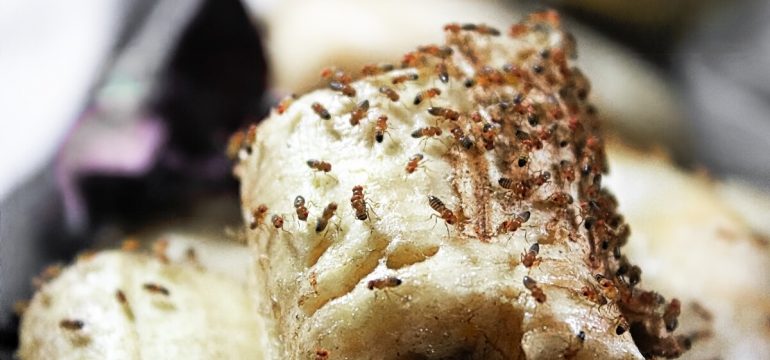

One day, your kitchen is fine, but the next, there’s a cloud of tiny insects hovering over the fruit bowl, and you’re not entirely sure when it happened or where they came from. Fruit flies have a talent for appearing out of nowhere. You didn’t leave the back door open. The house is clean, and yet, somehow, they are suddenly circling the bananas like they own the place.
Fruit flies are common, seasonal household nuisances that are attracted to your home by fruit and fermenting organic matter, and can quickly escalate from a few pests to a full infestation if not addressed. This guide provides a detailed approach to identifying these small, red-eyed flies and outlines the steps necessary to eliminate them quickly and prevent their return.
This guide covers:
- What are fruit flies?
- Why have fruit flies moved into your home?
- Are fruit flies harmful?
- 6 steps to get rid of fruit flies in the home
- How to stop fruit flies from making a comeback
- When it’s time to call a professional
- Key takeaways: fruit fly management summary
What are fruit flies?
Before you can deal with fruit flies, it helps to know you’re dealing with the right thing. Not every tiny fly in your kitchen is a fruit fly, and the approach you need to take will depend on what flying visitors you’ve actually got.
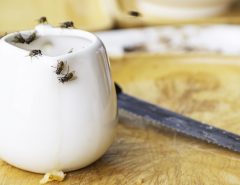
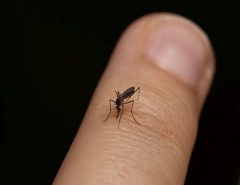
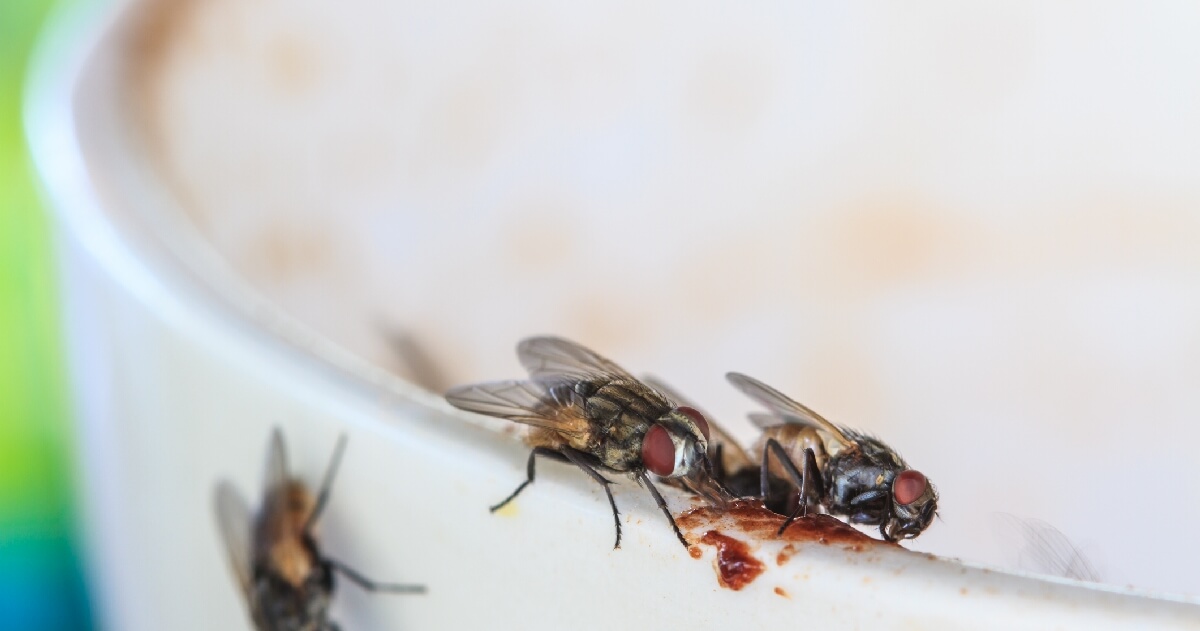
- Fruit flies (Drosophila melanogaster, to be specific) are small, slow-flying insects and seemingly unbothered by your presence. They’re about 2–3mm long, a dull yellowish-brown, and if you get close enough, you’ll notice they have distinctive red eyes. They tend to hover rather than dart, which makes them feel particularly irritating.
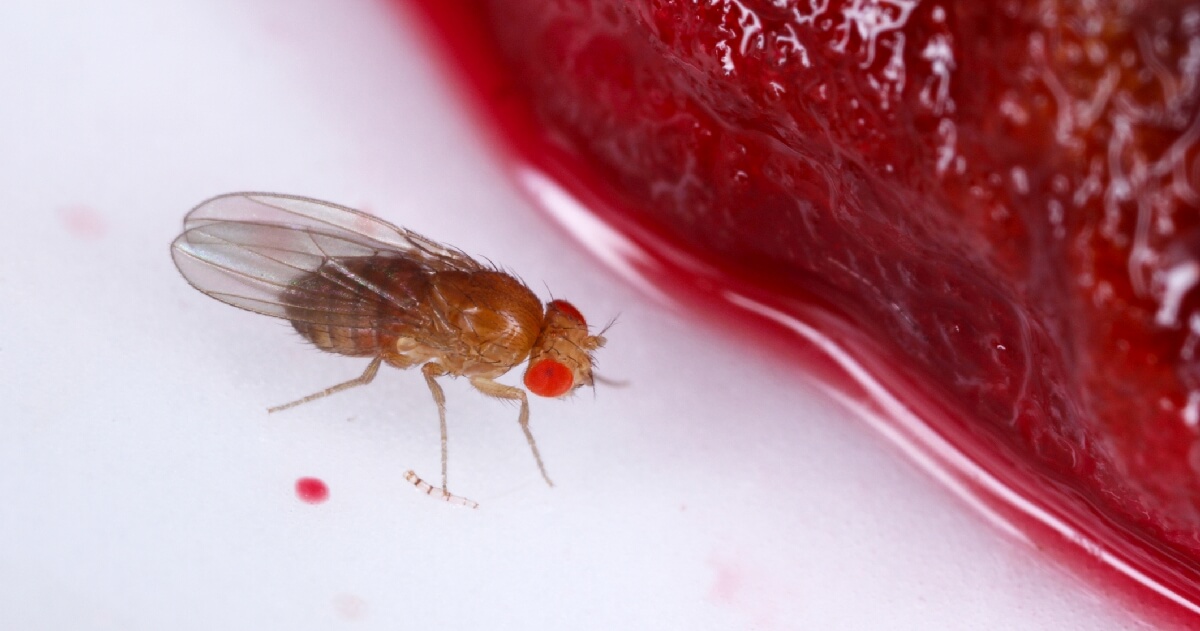
Fruit flies are often confused with two other common household flies.
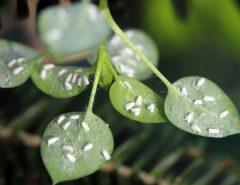
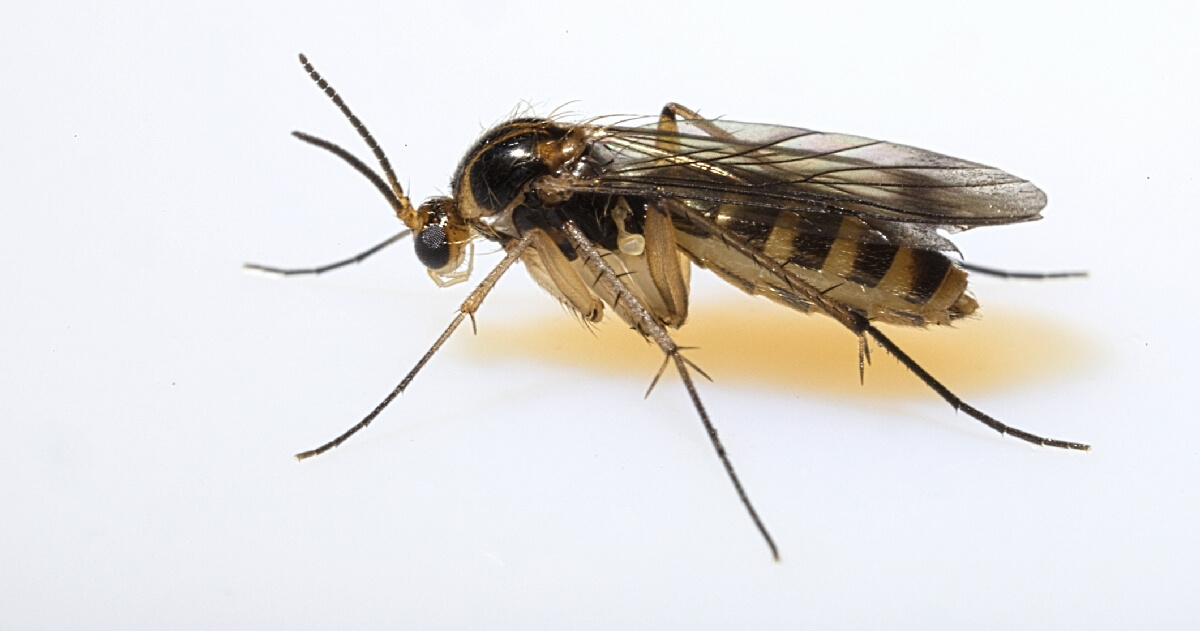
- Fungus gnats are similar in size but almost black, and you’ll usually find them around houseplants rather than food, because it’s the damp organic soil they’re after.
- Drain flies are fatter and fluffier, and they tend to cluster around sinks and drains.
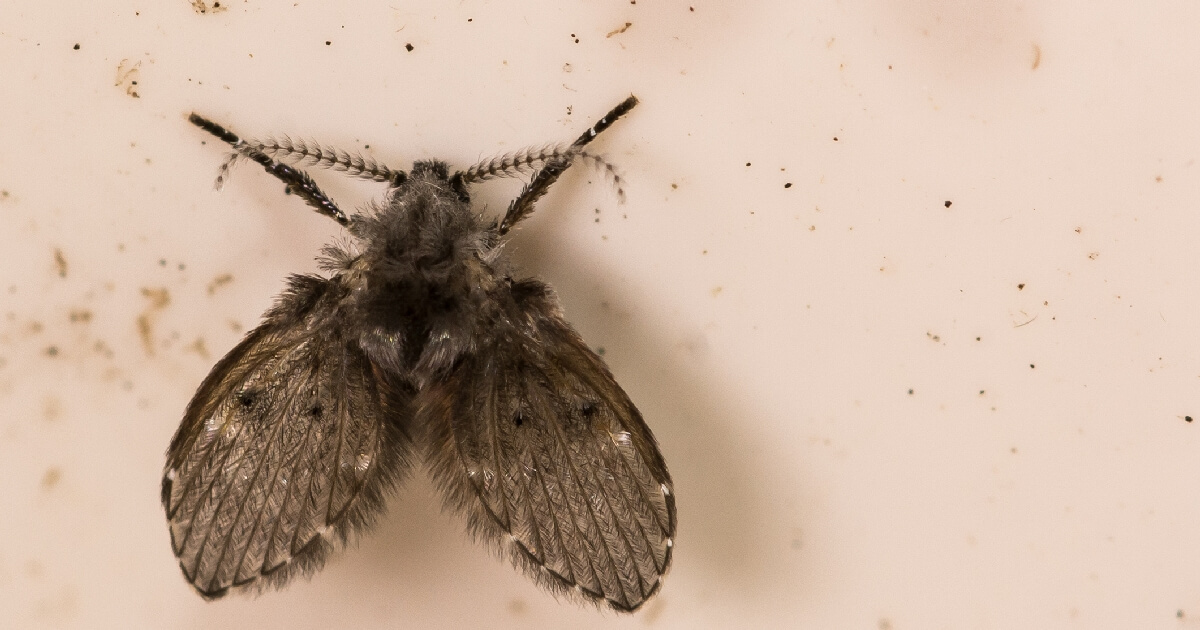
Both of these flies are nuisances in their own right, but they need different treatments, so it’s worth checking which fly you have before taking action.
- Key factor: If a fly is hovering around fruit, wine glasses or your recycling bin, it’s almost certainly a fruit fly. The reason they’re so hard to get on top of is down to their lifecycle. A female fruit fly can lay up to 500 eggs over its lifetime, and the whole journey from egg to reproducing adult takes as little as eight to ten days in warm conditions.
Why have fruit flies moved into your home?
Fruit flies don’t appear randomly. Every infestation has a source, and once you know what they’re feeding and breeding on, the whole thing starts to make a lot more sense. Fruit flies seek out fermenting organic matter and moist breeding sites. Common sources include:
- Over-ripe and rotting fruit: Flies are attracted to the vinegar (acetic acid) and alcohol (ethanol) released by yeasts as fruit (such as a single overripe banana) starts to rot and ferment.
- Recycling and spills: Fermenting residues in recycling bins (juice cartons, cans of alcoholic drinks) or overlooked food and hidden spillages (behind fridges, in vegetable cupboards) provide a rich food source.
- Kitchen drains: A layer of organic biofilm and grease builds up in drains and u-bends, creating a warm, moist breeding habitat for females to lay eggs. This is often the reason an infestation keeps recurring.
- Carried in shopping: Microscopic fruit fly eggs may be present on the skin of produce (especially soft fruits) when brought home from the shop and stored in your kitchen, and will quickly hatch into tiny larvae in warm conditions.
Are fruit flies harmful?
While fruit flies cannot bite (they only suck liquids), sting or damage your home, they are not entirely harmless. They constantly move between sources of decay, such as rotting food, drains and bin liners and your kitchen surfaces.
During this movement, they can transfer bacteria, including E. coli and Salmonella, leading to a low-level risk of food contamination. This contamination risk can be a concern, particularly for vulnerable household members, such as young children, the elderly or those who are immunocompromised.
Ultimately, the primary harm they cause is food contamination and daily irritation, which is why dealing with them quickly is essential: a small problem can escalate rapidly due to their fast reproduction cycle.
Six steps to get rid of fruit flies in the home
There’s no single fix for a fruit fly infestation, which is why many people find that one thing they try works only partially and the problem keeps coming back. The approach that actually works best is layered. You need to deal with the source, break the breeding cycle and trap the adults that are already flying around, all at the same time. Follow these six steps:
- Look for rotting food: Find and remove all sources of overripe/rotting food, checking hidden areas like behind appliances and the fridge drip tray, and immediately dispose of this waste outdoors.
- Clean often: Thoroughly clean the fruit bowl, kitchen bin and hard-to-reach areas using a white vinegar solution to neutralise fermentation odours.
- Treat drains: Flush with boiling water, then use a bicarbonate of soda and white vinegar mixture to break down biofilm.
- Use a fruit fly trap: You can make your own with a jar, by adding apple cider vinegar (to attract them) and a few drops of washing-up liquid (to make them sink when they land). You can add a paper funnel to the top of the jar, which makes it harder for flies to escape. Even better if you can use yellow paper, which attracts fruit flies. Replace the solution every two to three days. You can also buy yellow sticky-paper traps and small containers with funnels.
- Refrigerate soft fruits: Prevent fruit flies from accessing vulnerable fruit, such as grapes and strawberries, by storing them in the fridge, and check non-refrigerated items daily.
- Rinse and clean waste containers: Rinse all recycling containers, use a lidded caddy and empty and clean it frequently, especially in warm weather.
How to stop fruit flies from making a comeback
To stop fruit flies from returning, adopt these simple kitchen habits:
- Think seasonally: Be stricter with kitchen habits from late spring to autumn. Refrigerate soft fruits like berries and tomatoes as soon as you bring them home during periods of warmer weather. Empty the food caddy every day and clean the bin area frequently.
- Keep surfaces dry: Wipe down worktops immediately after cooking and avoid leaving damp, food-stained cloths near the sink, as fruit flies need moisture to thrive. Rinse and dry cleaning cloths to remove moisture and food residues.
- Flush drains weekly: Pour boiling water down the kitchen sink once a week to clear out organic matter and biofilm where flies like to breed. The bicarbonate and vinegar treatment will then be needed less often.
- Inspect new produce: Check bought fruit and vegetables for ripeness or damage before storing. Use or refrigerate anything close to turning immediately.
- Manage recycling: Rinse all containers to remove sugary or fermenting residue. Use a lidded indoor caddy, empty it daily, and wash it every couple of weeks, even if it is not visibly dirty.
- Clear clutter in food storage areas: Keep food storage areas tidy so you can easily spot and remove rotting items before an infestation starts. Make sure you use or eat older fruit first.
When it’s time to call a professional
While most fruit fly problems are manageable with DIY methods, a persistent or severe infestation may require professional help.
Here are the signs it’s time to call a professional:
- The infestation keeps returning: This suggests a hidden breeding source or a deeper issue within the drainage system (like the soil stack) that common home treatments cannot resolve. A pest controller can apply targeted treatments to the drainage infrastructure.
- Numbers are unusually high: Large, persistent numbers often indicate a major, sustained breeding site that requires rapid, effective location and elimination.
- You’re unsure of the pest: Accurate identification is crucial, as the treatments for fruit flies, drain flies, and fungus gnats differ.
- There may be a wider issue: An infestation without an obvious food source could point to underlying problems like water damage, hidden leaks, or rotting material in the building structure.
A reputable pest controller offers two things that DIY approaches don’t: accurate diagnosis (locating concealed breeding sites with specialist equipment) and access to professional-grade drain treatments and residual insecticides not available over the counter. They will also advise you on structural or behavioural changes to stop the problem recurring.
If you’ve been battling a lot of fruit flies for more than a few weeks, professional help should be able to locate the source and eliminate it effectively.
Key takeaways: fruit fly management summary
Fruit flies are one of those household problems that feel disproportionately annoying for something so small. They’re not dangerous in any serious sense, but they’re persistent, they multiply fast, and they have a talent for making a clean kitchen feel unhygienic. That’s reason enough to deal with them properly.
The key things to take away from this guide: fruit flies always have a source, and that source is almost always fermentation. Find it, remove it, and clean the areas around it thoroughly, including drains, which is the step most people miss. Set traps to deal with the adults while you’re breaking the breeding cycle, and make a few small seasonal adjustments to stop them from establishing themselves again next summer.
Do all of that, and you’ll almost certainly have the problem under control within a couple of weeks.
If you’ve worked through the steps and things still aren’t improving, don’t keep throwing time and effort at it. Persistent infestations usually have a cause that isn’t immediately visible, and that’s exactly the kind of thing a professional is trained to find.
FAQs
Why do I suddenly have fruit flies?
Fruit flies don’t appear from nowhere—there’s always a trigger, typically fermenting organic matter like overripe fruit, residue in recycling containers, forgotten food, or organic build-up in a drain. They can also arrive on supermarket produce if eggs have already been laid on the skin of the fruit you have purchased. Warm weather accelerates the whole process, making infestations appear quickly.
What is the fastest way to get rid of fruit flies?
The fastest approach is combining source removal and trapping the adults. Find and immediately remove anything fermenting, then set a simple DIY trap of a jar with apple cider vinegar and a few drops of dish soap to catch the flies already in the air. Read the blog to find out more. [add link to this blog page]
Do fruit flies come from drains?
They can breed in drains, which is often the cause of persistent infestations. Organic matter, grease and soap residue can accumulate inside the pipe, creating a warm, damp biofilm that is ideal for fruit fly larvae to develop in. A weekly flush with boiling water can meaningfully reduce this build-up.
Are fruit flies harmful?
They are not dangerous and do not bite. However, they constantly move between sources of decay (drains, bins) and kitchen surfaces, meaning they can transfer bacteria, including E. coli and Salmonella, which poses a low risk of food contamination, especially for young children or the elderly.
How can I stop fruit flies from coming back?
Prevention is key, especially from late spring to autumn. You should: refrigerate soft fruits, keep surfaces dry, rinse all recycling containers thoroughly to remove sugary residue, and flush kitchen drains with boiling water weekly to prevent breeding sites from establishing. Read the blog to find out more.