
Bed bug infestations are among the most challenging pest control issues, particularly in multi-unit housing such as apartment buildings. Their ability to remain hidden, spread rapidly between units, and survive standard eradication efforts makes them a persistent threat. While they are not known to transmit diseases, the presence of bed bugs causes significant physical discomfort and severe psychological and financial strain for both residents and property managers.
Effective management goes beyond simple elimination; it requires a proactive, integrated approach to prevent recurring infestations and safeguard tenant wellbeing while maintaining property values. In this article, learn the essential strategies for monitoring and preventing bed bug activity, along with comprehensive methods for successful eradication. The article covers:
- How bed bug behaviour helps them spread in buildings
- Why are bed bugs so difficult to control in apartments?
- The role of building managers in bed bug control
- Methods for preventing and eliminating bed bugs in apartments
How bed bug behaviour helps them spread in buildings
Understanding how bed bugs behave is crucial for curbing their spread in apartment buildings. Their biological traits provide key insights that can be leveraged for more effective monitoring and control:
- Rapid mobility: Bed bugs can travel approximately 1 metre per minute. In laboratory conditions, this translates to the potential for a single bed bug to navigate an entire apartment unit and migrate to a neighbouring flat within a single night.
- High dispersal risk: While early-stage nymphs tend to remain near feeding sites, recently fed females are highly mobile, capable of travelling up to 42 metres within a building over 120 hours (five days). This underscores the critical need for rapid detection and response.
- The multiplier effect: If left unchecked, infestations escalate exponentially. Studies show that a single source infestation can spread to dozens of units within months, leading to a 100-fold increase in infestation size if a robust prevention policy is not in place.
- Migration pathways: Bed bugs actively hunt for new food sources, navigating under doors, along corridors, and through building infrastructure. Placing monitoring traps in corridors is a highly effective tactic for early detection.
- Resilience and survival: Bed bugs are remarkably hardy. In vacant apartments lacking a food source, nymphs can survive for up to five months, while adults can persist for over a year, depending on environmental temperature and humidity.
Why are bed bugs difficult to control in apartments?
The distinct nature of apartment living presents particular challenges for managing bed bugs. Successfully controlling bed bugs in multi-unit buildings involves addressing intricate structural connections they can exploit, a densely populated setting, and the need for residents to work together, all of which make eradication more difficult.
High-density harbourage
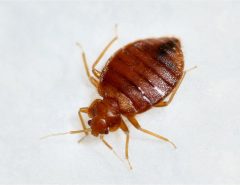
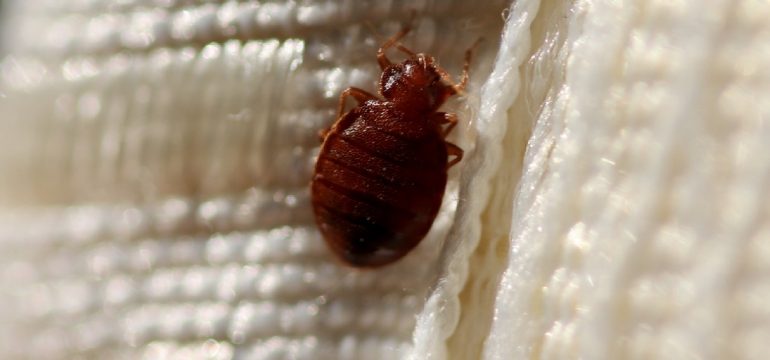
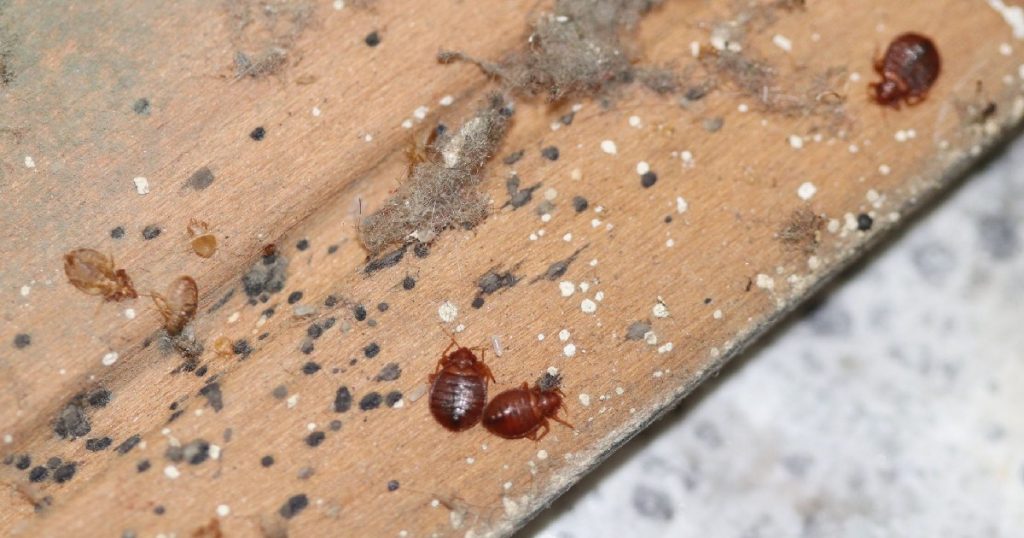
Bed bugs (which range in size from 1 to 10 mm depending on their life stage) are experts at exploiting tiny cracks and crevices. Apartments often have a higher density of furniture and personal possessions, as well as structural hiding spots such as electrical outlets, baseboards, and wall voids, compared to commercial buildings. The sheer volume of potential harbourage makes detecting and treating every infested area a significant challenge.
Structural connectivity and proximity
In multi-family housing, units are rarely isolated. Bed bugs can easily migrate between apartments and flats via shared infrastructure, including:
- Corridors and doorways.
- Piping and cableways.
- Cracks and gaps in walls, ceilings and floors.
Because of this connectivity, units adjacent, opposite, above and below an active infestation are at immediate risk of spreading the problem.
The resident cooperation challenge
Successful eradication requires total resident engagement, which can be difficult to manage. Treatment often requires significant preparation, such as:
- Dismantling bed frames for inspection.
- Laundering clothing and bedding at high temperatures.
- Temporarily vacating the unit during treatment.
Barriers to cooperation often stem from personal circumstances, such as shift work (where residents need to sleep during the day) or a lack of awareness regarding the necessity of these steps. When one unit is treated, but neighbours are not, recurring infestations are highly likely.
Multiple vectors for bed bug introduction
The high volume of people moving in and out of an apartment building increases the frequency of “hitchhiking” bed bugs. Key entry points include:
- Travel: Residents bringing bed bugs home from trips.
- Visitors: Guests introducing them to common areas or specific units.
- Furniture/Items: If infested, second-hand items are brought into the building.
- Common areas: Contaminated items (e.g. wheelchairs or luggage) circulating in shared spaces.
The “awareness gap”
Without proper education, property managers and residents may inadvertently allow infestations to escalate. Attempting DIY control often leads to improper treatment or the use of ineffective products, which can cause bed bugs to spread further or develop pesticide resistance. Early reporting is essential; without it, small, treatable issues often evolve into building-wide infestations that are costly and time-consuming to eradicate.
The role of building managers in bed bug control
Proactive management is the most effective defence against bed bug infestations. Property managers must prioritise thorough preparation, ongoing education and systematic response protocols to protect both residents and property values.
Strategic bed bug checklist for property managers
To effectively manage bed bug threats, property managers should implement the following steps:
- Develop a response plan: Create a clear, written procedure for handling infestations. This should include how to contact pest control professionals, log incidents, inform staff and residents, and safely dispose of infested items.
- Adopt integrated pest management (IPM): Partner with qualified professionals to develop an IPM programme that focuses on long-term prevention rather than reactive, chemical-heavy responses (see details on IPM below).
- Carefully vet pest control partners: Ensure all contractors are licensed, fully insured, experienced in bed bug management, and able to provide comprehensive, guaranteed treatment plans.
- Implement educational initiatives: Establish a communication strategy to educate staff and residents on prevention and early detection.
- Support affected residents: Provide resources to help them cope with the physical and mental stress of an infestation.
Key bed bug educational topics for residents
Gaining the residents’ cooperation is critical to eradicating bedbugs successfully. Ensure that information campaigns cover these essential topics:
- Identification and inspection:
- Recognising bed bugs and their bite patterns.
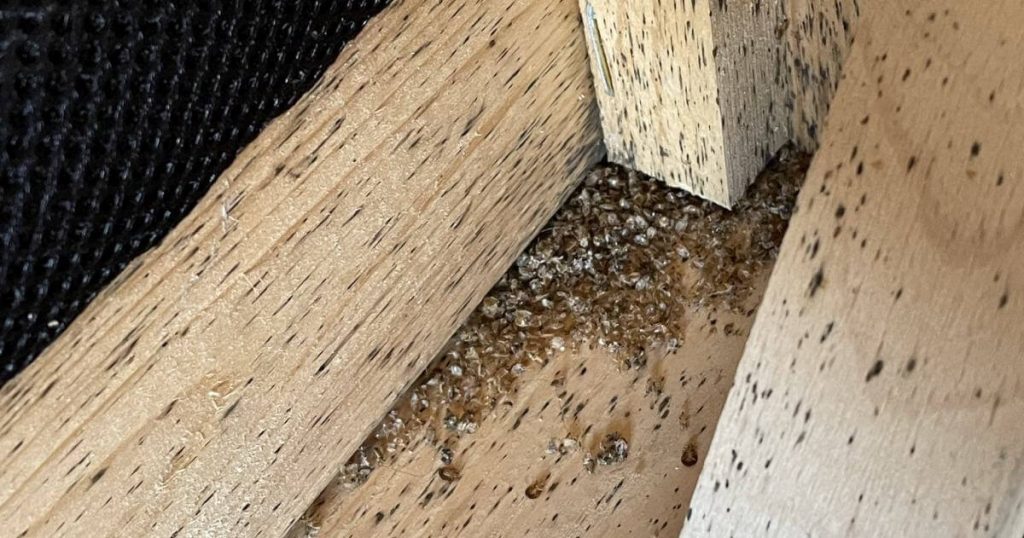
- How to inspect an apartment, including identifying signs such as faecal spots, eggs and moulted skins.
- Prevention strategies:
- Understanding how bed bugs enter buildings.
- Best practices for inspecting second-hand furniture and clothing.
- Reducing household clutter that provides harbourage.
- Guidance on proper washing and high-heat drying methods to kill bed bugs.
- Reporting and treatment:
- Clear procedures for reporting sightings immediately.
- Understanding how professional treatments are conducted.
- Preparation steps required by residents before a treatment can take place.
- The risks of ignoring infestations.
How to prevent and eliminate bed bugs in apartments
Bed bug elimination requires a multifaceted approach. Relying on “cheap” or isolated treatments often exacerbates the problem, leading to pesticide resistance and rapid re-infestation. Effective control requires a strategy that combines professional expertise, systematic monitoring and integrated tactics.
Integrated pest management (IPM)
IPM is the gold standard for sustainable pest control. It prioritises long-term prevention and targeted intervention over reactive chemical use.
The four-step IPM approach for apartment buildings involves:
- Identify and monitor: Maintain rigorous records of all bed bug detections, inspections and subsequent actions.
- Define action thresholds: Adopt a “zero-tolerance” policy. Given the rapid reproductive cycle of bed bugs, even a single sighting demands immediate attention.
- Implement prevention: Proactively seal harbourage points and educate residents to minimise risk.
- Targeted control: Prioritise physical removal methods first. Use insecticides only as a secondary, carefully managed measure to avoid toxicity and resistance issues.
Locating infestations
Early detection is the most effective tool for preventing a small infestation from becoming a building-wide crisis. When surveying a unit, look for these key indicators:
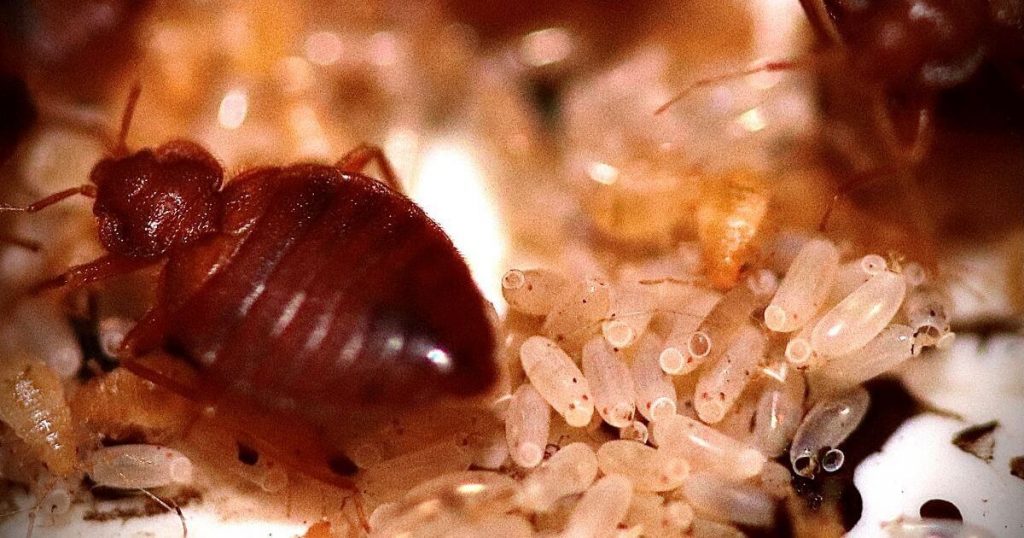
- Live activity: The presence of live bed bugs (from tiny nymphs to adults), carcasses and cast skins.
- Faecal Spots: Small, digested blood spots on furniture and bedding, ranging from cream to black in colour.
- Blood stains: Small rust-coloured spots on bed sheets, often found near feeding sites.
- Eggs: Cream-coloured eggs (approx. 1mm) hidden in seams and crevices.
- Odour: A distinct, sweet, sickly smell often present in heavy infestations.
- Professional inspection: For difficult cases, consider using professionally trained canine teams to locate harbourage points by scent.

Where to look for bed bugs
Bed bugs prefer to stay close to their food source (the human on a bed). Start your inspection at the bed and expand outwards:
- The bed frame and mattress:
- Inspect all seams, beading, buttons and labels on the mattress.
- Dismantle bed frames to check cracks, holes and hidden corners underneath.
- Furniture and furnishings:
- Check every hidden surface of drawers, cupboards and tables.
- Inspect picture frames, mirrors, blinds, curtains and books.
- Examine electrical sockets, light fittings and ceiling decorations.
- Structural elements:
- Carefully check carpet edges and gaps between walls and floors.
- High-risk zones:
- Don’t overlook kitchens and bathrooms; wandering bed bugs may harbour here, potentially seeding new infestations.
- Adjacent units:
- Always inspect units directly above, below and on either side of an active infestation.
Methods for eliminating bed bugs
Bed bug elimination requires a sophisticated, multi-faceted approach. Relying on “cheap” or isolated treatments often exacerbates the problem, leading to pesticide resistance and rapid re-infestation. For long-term success, use a strategy that combines professional expertise, systematic monitoring and integrated tactics:
- Vacuuming: A critical first step to physically remove bed bugs, eggs and droppings. Use a vacuum with a HEPA filter and a crevice nozzle. Seal bags immediately after use and dispose of them properly. Remember to “disinsect” the vacuum machine itself to prevent escapes.
- Steaming: Effective for non-electrical items. Surfaces must reach 70–80°C for the treatment to be lethal. Requires professional training to ensure safe and thorough application. Always follow up with vacuuming to remove dead insects.
- Laundering: Kill all life stages of bed bugs by washing fabrics on a hot cycle (60°C) and tumble drying on a hot setting for at least 30 minutes.
- Professional heat treatment: Bed bugs cannot survive temperatures over 45°C. Professional-grade equipment can heat entire rooms or portable containers to kill bed bugs effectively. This process requires trained personnel; complicated room layouts may still require targeted insecticide follow-up.
- Mattress encasements: A preventative and containment tool. Use covers with small-tooth zippers, few seams and impervious fabric. These trap bed bugs inside (containing an infestation) or prevent them from nesting in the mattress.
- Freezing: It is lethal to bed bugs at -20°C, but its effectiveness depends on the density and size of the object. While effective, household freezers may take several days to ensure the cold penetrates thoroughly and kills all bed bugs.
- Targeted insecticides: Use as a secondary, localised measure for harbourages. Avoid general “space treatments” like smoke bombs or aerosols, which often fail to reach hidden areas and may cause pests to disperse. Due to global pesticide resistance, always use a professional pest control provider for chemical applications.
Maintain a bed-bug-free apartment building
Tackling bed bug infestations in multi-unit housing requires more than reactive measures; it demands a proactive, long-term strategy built on education, collaboration, and professional support. While these pests are persistent, they are manageable when addressed with speed and precision.
To ensure long-term success and protect your property, prioritise these core pillars:
- Early detection is critical: Implement regular monitoring to catch issues before they escalate.
- Resident partnership: Continuous education empowers residents to spot and report activity immediately.
- Professional expertise: Rely on qualified pest control partners who understand the complexities of multi-unit infestations.
- Integrated approach: Combine physical, cultural, and targeted chemical treatments for the most effective results.

By moving from reactive firefighting to proactive management, you can create a healthier, more comfortable environment for your residents while protecting your asset’s reputation.