
In the UK, we often treat ventilation as an afterthought, something we only consider when the windows start to steam up while cooking or when a faint musty smell begins to emanate from a spare bedroom. However, in Germany, air exchange is treated as a systematic, cultural necessity known as Lüften.
If you have ever wondered why some homes stay fresh and mould-free while others struggle with dampness despite constant heating, the answer likely lies in how, and how often, the air is exchanged.
Understanding the meaning of Lüften and adopting the habit can be an effective, cost-free way to protect your property’s internal environment and your family’s health.
But if you already have extensive issues and mouldy growth, Luften alone will not be enough to solve the issues.
What is Lüften?
The German word Lüften literally translates to “airing” or “ventilating,” but the term carries a much deeper cultural weight than simply “opening a window”. It refers to a structured approach to indoor air management designed to replace stale, moisture-heavy indoor air with fresh, drier outdoor air.
The most effective form of this technique is Stoßlüften, or “shock ventilation”. Instead of leaving a window cracked or on the latch all day, Stoßlüften involves opening several windows wide for a short, intense burst of five to ten minutes. This creates a rapid exchange of the entire volume of air within a room without allowing the thermal mass of the building to cool down. This process is often practised upon waking and again in the evening.
Why Indoor Air Quality Matters
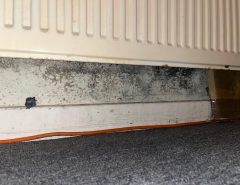
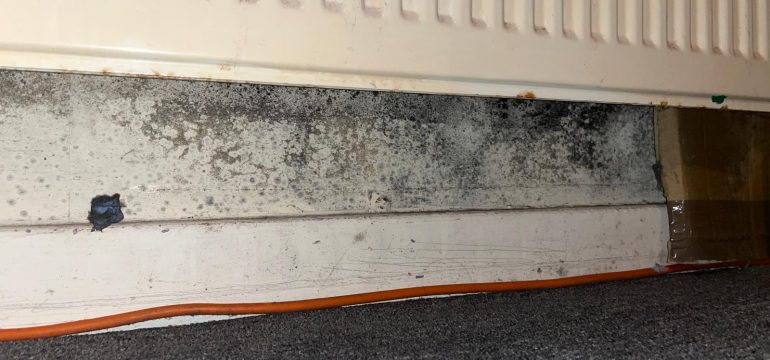
In our quest for energy efficiency, modern UK homes have become increasingly airtight, sometimes without consideration of ventilation requirements. We have boarded up fireplaces and stuffed loft spaces with insulation, which has reduced the natural ventilation of the property. While this means that warmth is kept inside, it also means that trapped moisture cannot escape. This can lead to damp surfaces and ultimately mould growth. It also creates a stagnant environment where pollutants and moisture are trapped.
Without regular air exchange from adequate ventilation, your home accumulates:
- High Humidity: Moisture from breathing, showering, and cooking that can no longer escape.
- Mould Spores: These naturally occurring spores will germinate on cold and damp surfaces, with a lack of ventilation.
- Dust Mites and Allergens: These microscopic pests flourish in humid environments, potentially triggering asthma and allergic reactions.
- Particulates and VOCs: Volatile Organic Compounds from cleaning products, hair spray, deodorant and scented candles can reach high concentrations in sealed spaces.
However, it must be understood that if your property is fitted with MVHR, PIV or heat exchange units, Luften will not be required as air exchanges and humid air removal should be tightly controlled automatically by these units.
If you live near a busy road, Luften may introduce traffic pollutants into the home. Likewise, if you suffer from pollen allergies, practising Luften when pollen levels are high will cause more issues than it will solve.
How Lüften Works to Prevent Damp and Mould
The science behind Lüften is rooted in relative humidity and dew point.
Warm air is like a sponge; it can hold significantly more water vapour than cold air. As we go about our daily lives, breathing, cooking, and cleaning, we add litres of water vapour to the indoor air.
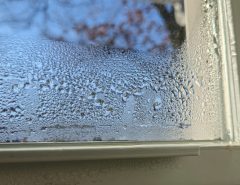
When this warm, moisture-heavy air comes into contact with cold surfaces such as window panes or external walls, it cools rapidly. Once it reaches its “dew point,” it can no longer hold the water, which condenses into liquid droplets. This is why the bathroom window steams up after taking a shower, if the bathroom is not adequately ventilated.
By practising Stoßlüften, you are replacing that “wet” indoor air with “drier” outdoor air. Even on a rainy day, outdoor air is often drier than the humid air inside a sealed house once it is warmed up. This ventilation lowers the overall relative humidity, making it much harder for condensation to form and, consequently, preventing mould from ever taking root.

Does Lüften Work for a British Climate?
A common point of scepticism is whether a German technique is truly beneficial in the UK’s famously damp climate.
The short answer is: Yes, it is arguably more beneficial here than in Germany.
Germany often experiences a more continental climate with very cold, dry winters, whereas the UK has a maritime climate with higher average humidity.
Because our outdoor air is damper, moisture management inside our homes is more difficult. However, the physics remains the same: indoor air that is trapped, heated, and enriched with moisture from cooking and bathing will always be more humid than the air outside. However, if it is actively raining, the ventilation gains will likely be at the expense of unchanged moisture levels.
Regular shock ventilation is an effective way to reset your home’s humidity levels.
The Hidden Benefits: Protecting Your Property’s Structure
While most people adopt Lüften to stop black mould forming on their walls, the habit provides critical protection for the parts of your home you cannot see.
Preventing Wood Rot and Woodworm
Reducing the overall humidity of your home is a primary defence against:
- Wood Rot: Both wet and dry rot require high moisture levels to germinate and spread. By keeping the air dry, you aid the drying of timbers that become damp by being in contact with damp masonry.
- Woodworm Infestations: Many wood-boring beetles are attracted to timber that has a higher moisture content, as it is easier for larvae to bore through. A well-ventilated, dry home is a natural deterrent for these pests.
The Benefits of Lüften vs. Traditional Ventilation
You might wonder why you shouldn’t just leave a window slightly open all day. There are two main reasons why the “Stoßlüften” approach is becoming more popular:
- Efficiency: Opening a window wide for 5 minutes creates a “total air exchange”. Leaving it cracked for 5 hours may only create a localised draft while the rest of the property stays stale. It just depends on how many windows and doors are cracked open.
Energy and Heat Retention: When you open a window wide for a few minutes, the air is swapped, but the heat stored in the thermal mass of your walls and furniture is retained. As soon as you close the window, the room warms up again quickly. Leaving a window cracked will seep heat out of the walls, making it far more expensive to reheat the room in the evening when temperatures drop.
When Lüften Isn’t Enough: Professional Solutions
Lüften is a powerful, free tool for a healthier home, but it is not a magic solution for every damp problem. If moisture has already caused mould growth, structural damage or if the source of dampness is not atmospheric, you may need professional intervention.
Signs that you need a professional survey include:
- Persistent damp patches that do not respond to improved ventilation or increase in size after periods of rainfall.
- Deteriorated plasterwork with visible tidemarks and salty deposits
- Musty smells emanating from under floorboards or behind skirting boards.
- Visible decay or “sponginess” in structural timbers.
- Evidence of woodworm (small exit holes in timber).
In these cases, a habit alone cannot fix the underlying issue. You may require structural repairs, specialised damp proofing, the remedial repair of building defects, or improvements to the thermal efficiency of walls and roof spaces.
Conclusion
Lüften is more than just a German tradition; it is a scientifically sound method for maintaining a healthy, mould-free property. By adopting the habit of “shock ventilation,” you can protect your home’s fabric, improve your air quality, and even safeguard your structural timbers against rot and woodworm.
However, even the best ventilation habits cannot overcome existing structural defects. If you suspect that moisture is already causing damage to your timbers or if your damp problem persists despite regular airing, it is time to seek expert advice.
Protect your property for the long term. Book a Professional Survey with Rentokil Property Care today to identify if moisture is already compromising your home’s structural integrity.