
(Reading time 10 minutes)
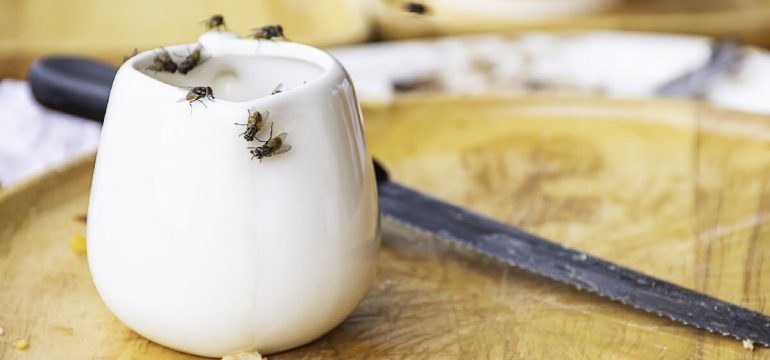
It may only take one fruit fly hovering over a customer’s drink for them to question the hygiene of your dining area and kitchen. While often dismissed as a seasonal nuisance, fruit flies (Drosophila melanogaster) are seen by UK local council environmental health officers (EHOs) as a sign of a breakdown in deep cleaning protocols. These tiny flies indicate rotting organic waste and bacterial biofilms and could put a 5-star Food Hygiene Rating at risk.
For restaurants today, an annoying fruit fly experience can go viral on social media before the customer has even paid their bill. The operational risk, however, is equally important. In a warm kitchen or bar area, a fruit fly’s life cycle is quick and can progress from eggs to flying adults in 1–2 weeks. A minor spill on the floor left for too long or a poorly maintained waste bin can quickly escalate into a full-scale infestation.
This guide identifies what attracts fruit flies to restaurants and the breeding reservoirs that often escape routine cleaning schedules. By addressing the root causes, from structural gaps to contaminated floor drains, you can ensure your team is equipped to maintain the highest standards of food safety and operational excellence throughout 2026.
This article covers:
- What attracts fruit flies to restaurants?
- How fruit flies infiltrate the hospitality environment
- The hidden fruit fly breeding hotspots in restaurants
- The fruit fly life cycle and its operational risks
- The business impact of fruit flies on restaurants
What attracts fruit flies to restaurants?
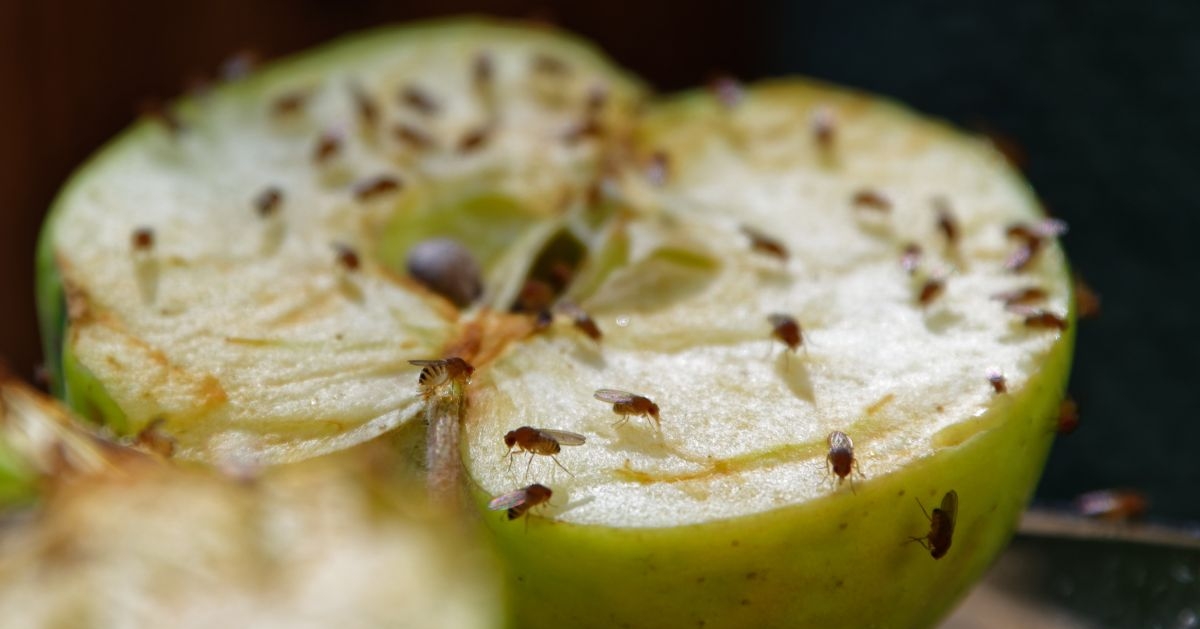
The presence of fruit flies (Drosophila melanogaster) is an operational failure, often stemming from a lack of understanding of pest biosecurity. To control infestations effectively, restaurant managers need to address the fundamental biological drivers of fruit flies: their scent-based navigation and their search for microbial breeding substrates (rotting fruit and vegetables).Fruit flies have an acute sense of smell that allows them to pinpoint food sources, mates and viable egg-laying sites with extreme precision. The primary signal for these pests is the complex aroma profile of fermentation and decay. They have sensors tuned to detect the volatile compounds released during the ripening and breakdown of organic matter by yeast and bacteria.
Key fruit fly attractants
Understanding where the olfactory signals originate is the first step in eliminating the source of an infestation.
1. Fermenting fresh produce
Damaged or overripe produce is a primary attractant. Even minor bruising can initiate the decay process, releasing the scents that draw fruit flies.
- High-risk items: Bananas, tomatoes, melons, grapes and squash.
- Alliums and root vegetables: Onions and potatoes undergoing early-stage fermentation.
2. High-sugar residues in bar and beverage stations
Beverage dispensers and bar areas are highly vulnerable because sugary liquids ferment rapidly.
- Critical points: Drinks fountains, beer taps, and spirit/syrup storage.
- Specific triggers: Spills, drips and residues from wine, beer and fruit juices.
3. Acetic acid (vinegar)
Often referred to as vinegar flies, fruit flies are instinctively drawn to acetic acid, a direct by-product of fermentation, which signals a prime environment for feeding and reproduction.
4. Sanitation tools and waste management
The tools used to clean the restaurant can often become the source of the problem if not managed correctly.
- Damp equipment: Mops, rags and sponges that retain moisture and food particles will begin to ferment, emitting the specific odours fruit flies seek.
- Waste streams: Waste disposals, unrinsed recycling containers and waste bins with lingering fruit and vegetable residue provide powerful scent trails.
Breeding grounds for microbes
A critical factor for restaurant managers is that adult flies are not attracted solely to the food itself, but also to the yeast growing on it. The fruit fly larvae feed on both the fruit sugars and the microbial population that grows in a fermenting substrate. The adult female even deposits faeces on the eggs to seed the substrate with microorganisms from her own gut to pass them on to the offspring, thought to be beneficial for their health.
How fruit flies infiltrate restaurant kitchens
For UK restaurant managers, understanding the entry points of fruit flies is a critical component of a HACCP-compliant pest management strategy. A single breach can compromise food safety ratings and lead to costly interventions. These pests exploit specific operational and structural vulnerabilities to gain access to your premises.
1. Supply chain infiltration
The most frequent method of introduction is through incoming stock. Unlike other pests that migrate from the outside, fruit flies are often delivered directly into your prep areas.
- Larval hitchhiking: Fresh produce, particularly bananas, tomatoes and stone fruits, can arrive with microscopic eggs or larvae already present on the skin or within bruised tissue.
- Packaging risks: Cardboard transit packaging from suppliers can harbour pests if stored in damp, untreated external environments before delivery.
2. Passive atmospheric entry
Due to their minute size (3–4mm), fruit flies can exploit even the smallest lapses in building integrity.
- Thermal currents: Fruit flies are attracted to the warm, scent-rich air exhausted from kitchen vents. They often hover near entrances, waiting for the momentary opening of a door.
- Delivery bays: Service entrances left ajar during morning deliveries provide an unobstructed flight path into high-risk zones.
- Screen vulnerabilities: Standard mesh screens are often insufficient if they have even minor tears or if the gauge is too wide. In the UK’s humid summer months, these gaps become primary entry points for vinegar flies seeking fermenting organic matter.
3. Structural and mechanical exploitation
Fruit flies do not require a door to enter; they are proficient at navigating a building’s internal infrastructure.
- Drainage and plumbing: Fruit flies can migrate through dry U-bends or cracks in floor drains. They are drawn to biofilms that accumulate in poorly maintained drainage systems rich with fermenting organic matter.
- Ventilation ducts: Extractors and HVAC systems can act as conduits, drawing fruit flies from external refuse areas directly into the heart of the kitchen.
- Structural gaps: Settlement cracks in walls, gaps around pipework sleeves, and degraded weather stripping under fire exits offer easy access.
The hidden fruit fly breeding hotspots in restaurants
In the high-stakes 2026 UK hospitality landscape, a single fruit fly sighting can not only annoy a customer but also compromise your Food Hygiene Rating Scheme (FHRS) score and trigger a social media PR crisis. Modern Environmental Health Officers (EHOs) now look beyond surface-level cleanliness, focusing on integrated pest management (IPM) and eliminating hidden hotspots where infestations really begin.
To maintain compliance with food hygiene legislation, you must target the core conditions required for breeding: moisture paired with decaying or fermenting organic matter. Here is a guide to the most inconspicuous breeding grounds in your restaurant.
1. The drainage network: biofilm biohazards
Drains are the most notorious and frequently overlooked breeding sites. Professional control should include focusing on the slime layer, or biofilm, which provides a perfect, moist, nutrient-rich environment for fruit fly eggs and larvae to thrive. This layer accumulates in:
- Floor and sink drains: These collect grease, food particles, and bacteria.
- Bar drains: Often found under beer taps and soft drink fountains, these are prime targets for sugar-loving flies.
- Condensate lines: Refrigeration units can harbour this nutrient-rich slime.
2. Waste and recycling management
Both indoor and outdoor waste areas are major attractants. For food safety compliance, staff should practise “clean-as-you-go” routines, which must extend to:
- Rubbish bins: Even with liners, leaks can create a layer of decomposing residue at the bottom of the bin.
- Skips and compactors: Spilt waste and internal residues provide ample breeding opportunities.
- Recycling bins: Unrinsed cans (soft drinks/beer) and juice containers leave sugary residues that ferment and attract flies.
- Waste disposal units: Food waste build-up within the unit itself can support breeding.
3. High-risk bar areas
Bars are exceptionally high-risk zones due to the constant presence of sugars, moisture and fruit. These zones require rigorous hygiene protocols to address:
- Taps and trays: Beer taps, soft drink guns, and their associated drip trays collect sugary liquids that develop slime.
- Bar mats: Sticky spills often soak into or accumulate under mats; cracks in the mats can further harbour debris.
- Hidden spills: Drinks spilt under counters, beneath ice machines or in refrigerators create hidden breeding sites.
- Open bottles: Pourers on alcoholic drinks and syrup bottles allow flies to enter, feed and lay eggs directly in the sugary liquid.
4. Food storage and prep zones
A single forgotten item can sustain a massive infestation. Key areas to inspect include:
- Produce storage: Overripe or damaged fruits and vegetables left out of refrigeration are classic breeding sources, especially rotting potatoes or onions.
- Equipment voids: Food debris and moisture trapped under ovens, dishwashers and along baseboards create hidden feeding zones.
- Structural deficiencies: Cracked floor tiles, damaged grout, or gaps between the floor and walls trap organic debris and moisture.
5. Overlooked cleaning tools
Ironically, the tools used to clean can often be the source of the problem:
- Mops and rags: If not dried thoroughly, these harbour moisture and food particles, allowing for fermentation.
- Mop buckets: Residual dirty water and debris left in buckets support the development of larvae.
- Soiled linens: Accumulations of dirty cloths in baskets can also become breeding sites.

Summary of hidden fruit fly breeding hotspots
| Hotspot category | Common breeding locations |
|---|---|
| The drainage network | Floor drains, sink drains, and refrigeration condensate lines where biofilm (slime) accumulates. |
| Bar areas | Drip trays under beer taps, sticky bar mats and open pourers on spirit or syrup bottles. |
| Waste management | Leaking rubbish bins, unrinsed recycling containers and waste disposal units. |
| Cleaning equipment | Sour mops, dirty mop buckets and baskets of soiled linens. |
Effective fruit fly control demands a proactive search for these hidden reservoirs. Moving beyond surface sanitation to address difficult-to-access locations is the only way to ensure long-term, audit-ready pest control.
The fruit fly life cycle and its operational risks
In the high-temperature environment of a commercial kitchen and restaurant, the fruit fly’s life cycle accelerates, turning a minor sighting into a site-wide infestation in days. Understanding the transition between these four stages is critical for disrupting the breeding cycle before it affects your Food Hygiene Rating.
1. Egg stage
Following mating, gravid females deposit approximately 400–500 eggs in their short lifespan. These are typically inserted just beneath the surface of moist, fermenting organic matter. At optimal temperatures (25°C/77°F), eggs hatch in as little as 12–15 hours.
- Management insight: Because eggs are microscopic (0.5mm) and laid into produce or microbial biofilms, surface rinsing is often ineffective.
2. Larval phase
The emerging white, legless larvae (maggots) undergo three developmental instars (moults) over 4–5 days. Larvae do not feed on the fruit itself, but on the yeast causing the fermentation.
- Management insight: The presence of larvae indicates a deep cleaning issue (or failure, really). They thrive in the slime (biofilm) found in floor drains, under-counter gaskets and beverage drip trays.
3. Pupal phase
Once mature, larvae migrate away from moist feeding sites to find dry, dark, and protected locations to pupate. They form a hardened, light-brown puparium. This stage lasts 4–5 days.
- Management insight: Because larvae move away from the food source to pupate, they are often found in hidden zones of a kitchen: behind kick-plates, in the threads of adjustable equipment legs or under the rims of recycling bins. Spotting puparia means an infestation is established.
4. Adult phase
The adult fly emerges (ecloses) with functional wings and reproductive organs. Adults can reach sexual maturity within 8–15 hours of emergence.
- Management insight: The window to stop the next generation is incredibly narrow. A single missed breeding pocket can result in hundreds of new adults laying thousands of eggs within 48 hours of the first sighting.
The business impact of fruit flies on restaurants
A fruit fly infestation is far more than a minor nuisance; it is a significant threat to a restaurant’s operational viability and brand equity. For a UK restaurant manager, the presence of these tiny pests is a red flag, signalling deeper sanitation failures that can lead to three critical business impacts.
1. Regulatory risk and rating downgrades
Under food hygiene legislation, businesses have a legal duty of care to keep their premises pest-free. During a routine inspection, an Environmental Health Officer (EHO) may cite fruit flies as evidence of poor cleaning protocols, specifically biofilm accumulation. This can lead to a downgrade in the Food Hygiene Rating Scheme (FHRS) score. With “Scores on the Doors” often integrated into third-party delivery apps such as Deliveroo and Uber Eats, a drop from 5 to 3 can result in an immediate and measurable loss of revenue.
2. The online review risk
In 2026, customer expectations for hygiene are at an all-time high, and the ability to broadcast negative issues instantly is ubiquitous. A single video of a fruit fly hovering over someone’s food can be uploaded online before the bill is paid. This digital footprint of poor hygiene is permanent and can be more damaging than any fine, deterring hundreds of potential diners and eroding the trust that takes years to build.
3. Operational costs and wasted margin
The financial impact extends beyond potential fines. Infestations lead to:
- Inventory loss: The immediate disposal of expensive produce, garnishes and open spirit bottles (as fruit flies are drawn to pourers).
- Emergency intervention: The high cost of reactive knock-down pest control treatments compared to the lower cost of proactive Integrated Pest Management (IPM).
- Staff morale: A kitchen or bar area plagued by flies is a frustrating environment for employees, often leading to decreased productivity and higher staff turnover.
Effectively eliminating fruit flies requires a proactive, multi-step strategy that goes beyond simple surface cleaning to target hidden breeding sites. For restaurant managers, the critical next step is to understand the specific protocols required to achieve complete control and prevent future infestations.
FAQs
Where do fruit flies lay eggs in restaurants?
Fruit flies lay eggs in moist, fermenting organic matter, particularly in the biofilm (slime) found in drains, under-counter gaskets and damp cleaning tools like mops.
Can fruit flies affect my UK Food Hygiene Rating?
Yes. UK Environmental Health Officers view fruit flies as a sign of sanitation failure. An infestation can lead to a downgrade in your FHRS score, which is often displayed on third-party delivery apps, and could directly impact revenue through lost trade.
How do fruit flies get into a clean kitchen?
They typically enter via supply chain infiltration (hiding in produce or packaging) or through passive entry via kitchen vents and gaps in doors while seeking the scent of fermenting organic matter.
What is the primary attractant for fruit flies?
They are primarily attracted by the complex aroma profile of fermentation and decay, as they have an acute sense of smell tuned to volatile compounds released during the breakdown of organic matter.
How long does the fruit fly life cycle take in a warm commercial kitchen?
The life cycle from eggs to flying adults can progress in as little as 1–2 weeks.