Rentokil Bed Bug Monitor PDF
Download a PDF about our unique & effective 'early warning' bed bug monitoring system. The bed bug monitor uses a food-based lure, which mimics human blood - attracting nymphal & adult bed bugs.

Call us for a quote on +448082562855
For businesses in hospitality, healthcare, and transport, a bed bug infestation is more than a nuisance. It is a threat to your brand reputation, operational efficiency, and revenue.
At Rentokil, we understand that effective bed bug management requires professional expertise. We provide businesses with tailored, legally compliant removal solutions designed to ensure uninterrupted operations. From advanced detection to non-toxic heat treatments, our goal is to resolve the issue rapidly with minimal disruption to your staff and guests.
This video player requires JavaScript.
In commercial environments, "DIY" solutions are ineffective and risky. Bed bugs are resilient, notoriously difficult to locate, and reproduce quickly.
The risks of ignoring professional intervention include:
We prioritise Rapid Response and Long-term Management. Our services are designed to meet high organisational safety standards, ensuring you remain compliant with industry regulations.
Early intervention is the key to cost-effective control. Train your housekeeping and facilities staff on how to know if you have bed bugs before a guest or client complains.
Key indicators include:
If you are unsure how to tell if you have bed bugs in your specific facility, contact our experts for a detailed survey.
We offer a holistic approach to pest control that combines human expertise with advanced technology. Our approach is grounded in IPM (Integrated Pest Management), prioritising sustainability and safety.
Our highly trained technicians conduct thorough risk assessments of your premises. We identify not just the infestation, but the source and the extent of the spread, providing you with a documented audit trail essential for internal compliance.
For large-scale facilities like hotels or office blocks, visual inspection isn't always enough.
We utilise innovative, non-toxic treatments that prioritise the safety of your environment and the swift return of your rooms to inventory.
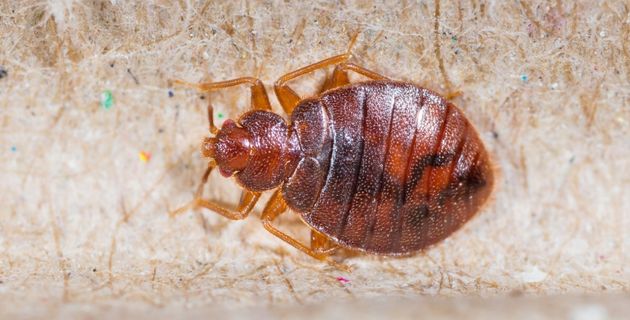
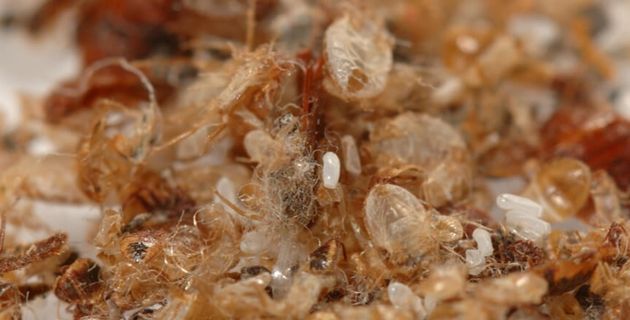
Look for physical signs such as small dark faecal spots on office chairs, sofas, or carpet edges. You may also notice unexplained bites on employees (often in lines or clusters) or find shed skins in crevices of furniture.
If untreated, the infestation will spread rapidly to other areas of the building and potentially to employees' homes. This leads to operational downtime, potential lawsuits, loss of revenue, and severe damage to your business reputation.
Effective eradication requires professional intervention. This usually involves a combination of thorough inspections (often using detection dogs) followed by heat treatments or professional-grade insecticides to kill all life stages of the insect.
While hotels and accommodation sectors are at highest risk, any area with high foot traffic and upholstered furniture is at risk. This includes public transport seating, hospital waiting rooms, office breakout areas, and cinemas.
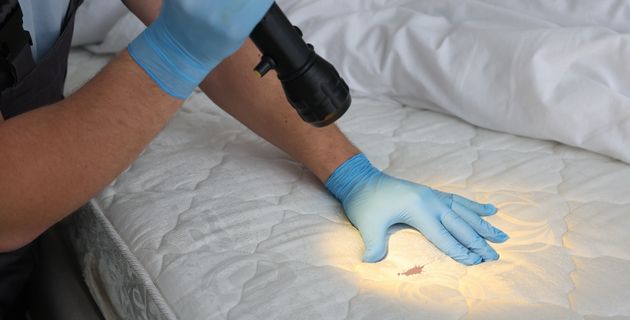
Professionals use a combination of visual inspection (checking mattress seams, headboards, electrical outlets, and skirting boards) and monitoring devices. Many also utilise trained scent detection dogs to locate infestations that are not visible to the human eye.
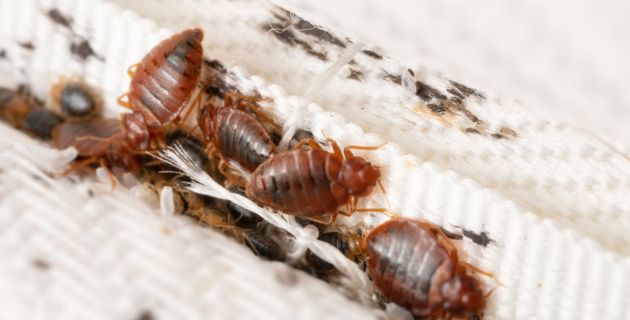
Yes. Bed bugs are excellent hitchhikers and can be brought into an office on employees' clothing or bags. Once there, they can hide in the mesh, seams, and crevices of office chairs, feeding on staff who sit there for prolonged periods.
Find your local branch
Please try again...