
Buying a new home is a huge milestone filled with excitement and celebration. However, that joy can instantly evaporate if you suddenly discover a damp problem either on the pre-purchase survey or after you have already moved in.
Finding out that your dream home has an underlying moisture issue can be incredibly stressful, but damp problems can be dealt with, meaning your new home can be free of moisture issues.
Property preservation specialists can fully identify the extent of the dampness, and provide you with recommendations on how to prevent the issue.
This comprehensive guide breaks down why standard surveys frequently overlook moisture issues, the immediate consequences for buyers, your legal rights, and the practical next steps available to rectify the situation.
What is a Home Buyers Survey?
A house survey, or pre-purchase survey, is a professional visual inspection of a property’s structural condition carried out on behalf of a buyer before contracts are exchanged. It consists of an expert evaluating the visible, accessible elements of the building to flag major defects, urgent repairs, or structural issues.
A level 3 RICS Building Survey (the most comprehensive option) includes an assessment for dampness, where accessible, using an electronic moisture meter. However, even the highest tier of standard home buyer surveys will not carry out an invasive survey, meaning that moisture issues hidden behind panelling, floorboards or in out-of-sight areas may be missed.
Why Is Damp Frequently Overlooked During a House Survey?
When recent buyers discover a damp patch, their immediate reaction is often to blame the surveyor.
However, standard structural evaluations are non-intrusive because Surveyors are legally restricted from lifting fitted carpets, drilling holes into walls, or moving heavy furniture. This creates several common problems that can occur once you move into your new home:
1. Hidden or out-of-sight damp problems
A seller may intentionally or unintentionally cover up the physical indicators of an ongoing issue.
Heavy furniture, large wardrobes, or stacked storage boxes can easily cover signs of dampness on lower walls.
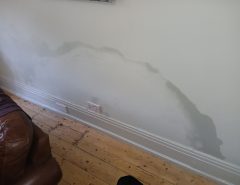
Furthermore, recently painted walls can seamlessly hide telltale tide marks, staining, and surface blistering for several months, masking the problem until long after the sale closes.
That said, the seller may be completely unaware of the damp problem, because it is hidden in hard-to-reach areas, and as the new homeowner you have discovered it for the first time.
2. Seasonal Issues
There are different types of damp, and these can be influenced by the seasons, temperature and the amount of rainfall.
If a survey takes place during a dry summer, an ongoing penetrating damp issue through the masonry or a minor roof leak may appear completely dry and stable.
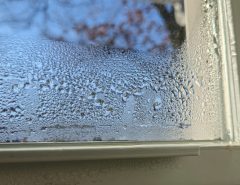
Similarly, condensation spots are closely tied to indoor living habits and colder external temperatures. Condensation may not be present at all during warmer seasons, only appearing during the colder winter months when the heating is turned on, and windows remain shut.
3. The number of occupants
Condensation is caused by excess moisture in the internal atmosphere caused by moisture-producing activities like cooking, cleaning, and even breathing. This means if one person lived in a property, there may be no issues, as the ventilation is adequate, but once a large family with numerous pets moves in, the property may suffer from condensation forming on windows and surfaces.
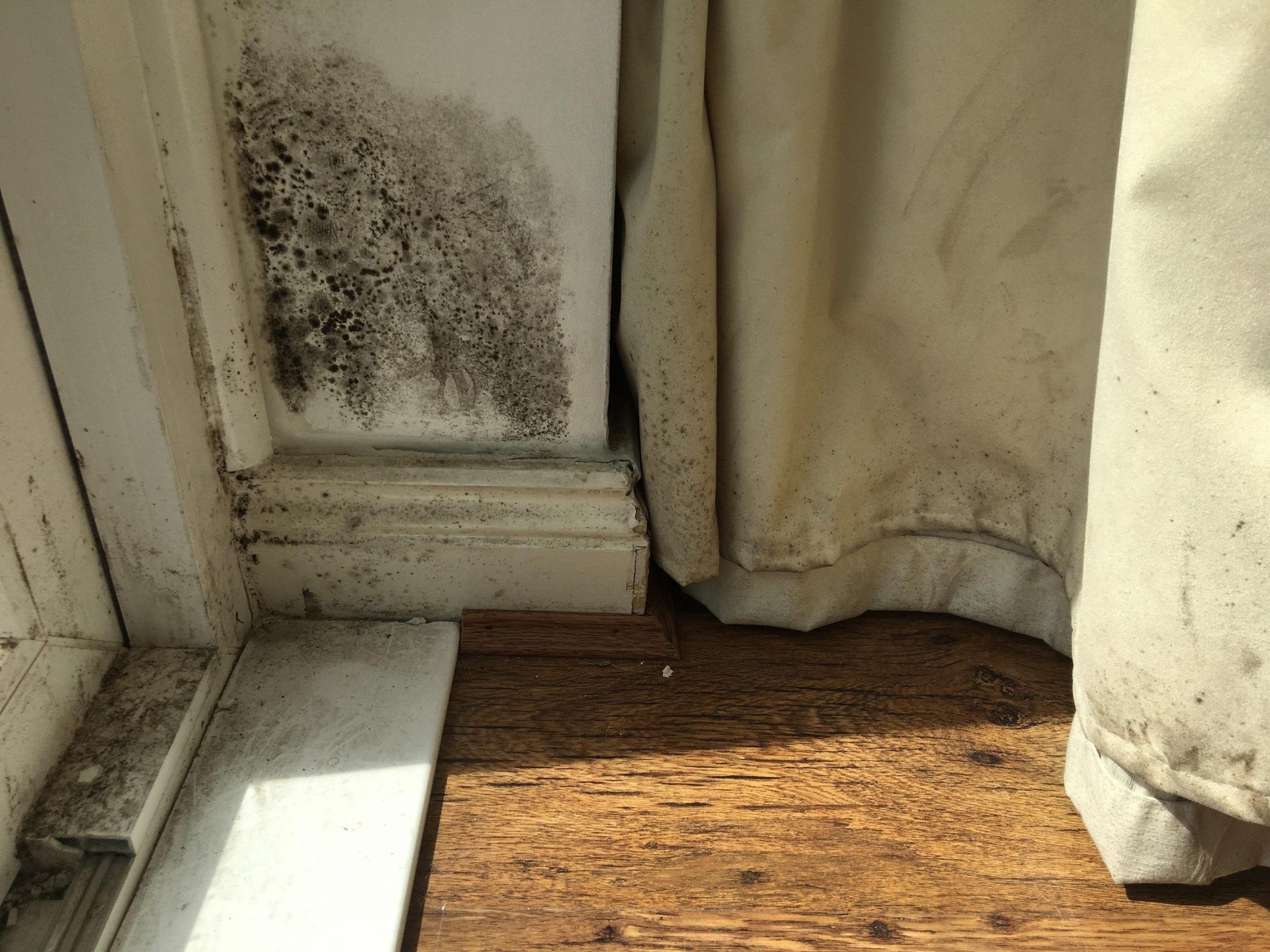
Simple Self-Check During Property Viewings
To avoid being caught off guard, buyers should self check a property for any signs of damp problems:
- Follow Your Nose: A persistent, musty, or earthy odour inside alcoves, cupboards, or basements is a classic indicator of trapped moisture.
- Check Behind Storage: Gently inspect flaking finishes, peeling wallpaper, or bubbling paint inside built-in wardrobes or behind furniture units positioned against external walls.
- Touch Cold Surfaces: Run your hand along the base of external walls or around window frames to check for unusual coldness or damp textures.
- External checks: make sure gutters and tiles are in good condition, and there isn’t algae or moss growing on masonry walls, as this indicates they may get damp during bad weather.
What Are the Consequences of Missing a Damp Problem?
Failing to catch a damp problem before completing a property purchase can cause issues later down the line for the new occupant, including:
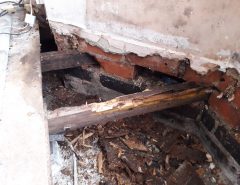
- Structural Timber Decay: Trapped moisture can cause wood-destroying fungi spores to germinate, resulting in wet rot or dry rot infestations across floor joists, skirting boards, and roof timbers.
- Mortgage Retention Issues: If a lender’s valuation survey uncovers a serious, unflagged damp problem before completion, they may impose a mortgage retention, withholding a portion of your loan until professional remedial works are executed.
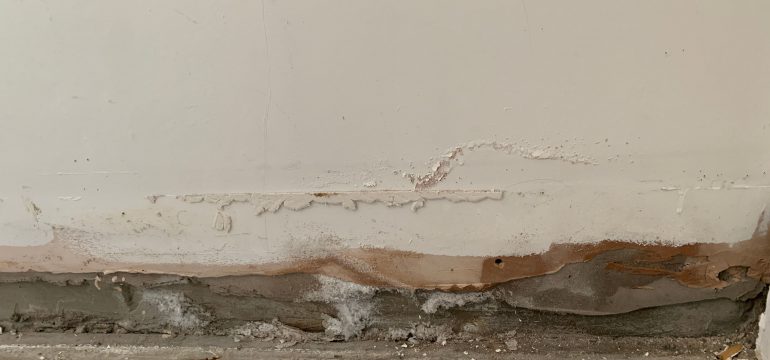
- Unexpected Repair Costs: Resolving damp issues can require specialised replastering, subfloor ventilation improvements, or the installation of a new damp proof course (DPC), leaving you with unexpected repair quotes right after moving in.
- Devaluation of the Property: An extensive moisture problem can cause a significant reduction in the property’s actual market valuation if left untreated.
What Happens If Damp Is Found Pre-Exchange?
If a moisture issue is uncovered before you sign on the dotted line, you are in a strong position to renegotiate.
Finding damp on a pre-exchange survey gives you a clear roadmap to protect your investment, and the first step is to request permission to carry out a damp and timber survey from a PCA accredited company, such as Rentokil Property Care.
While standard home surveys flag that damp might exist, a dedicated specialist survey will carry out a thorough investigation to find the root cause and extent of the problem.
By convention, the buyer typically funds this specialist investigation, as it serves to protect them financially. This is because they can use the report and any repair quotes as leverage to negotiate a lower house sale price or legally require the vendor to fix the problem before exchange.
Professional Damp and Timber Surveys
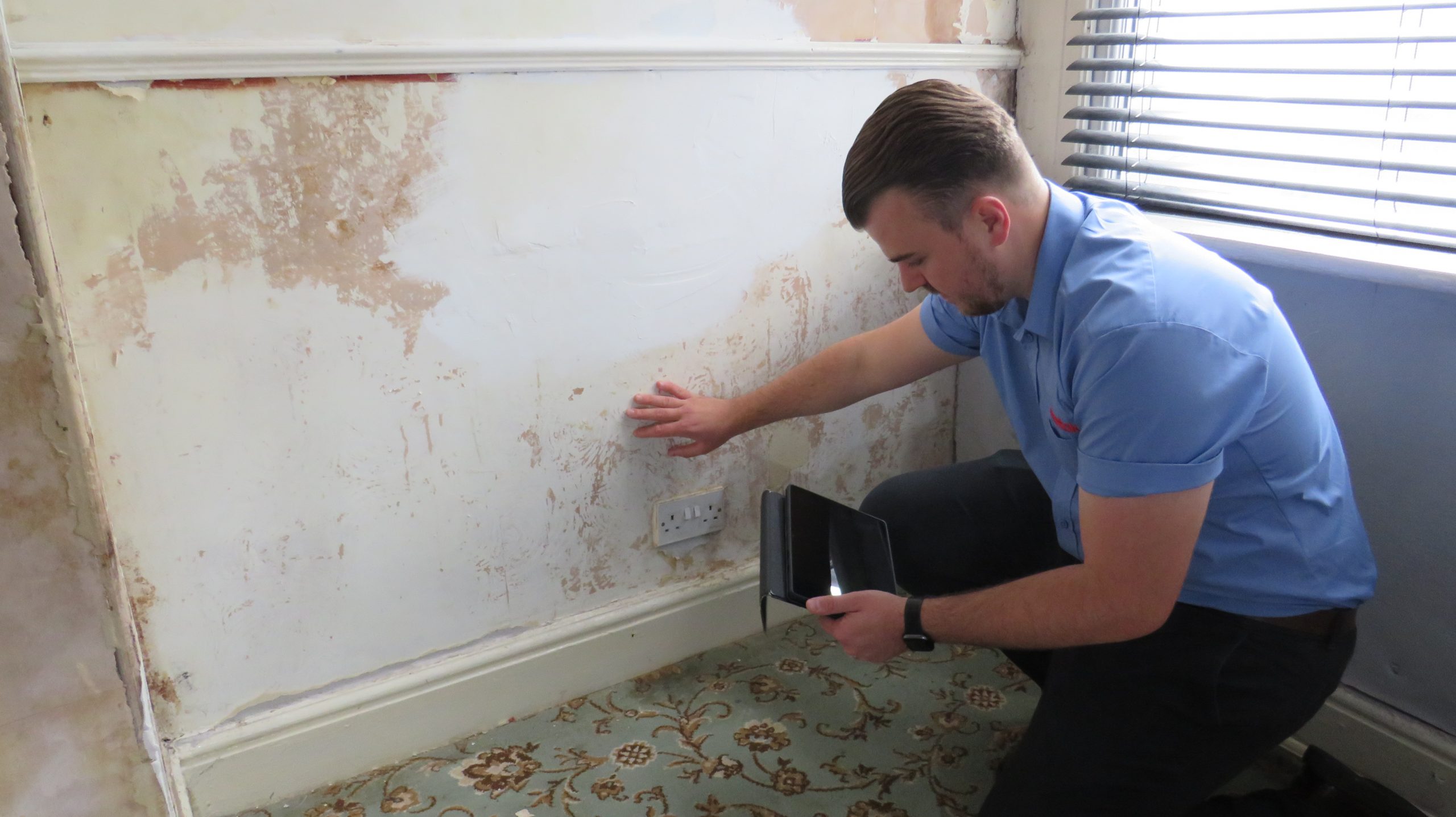
If damp problems are found during the pre-purchase survey, a damp and timber survey should be carried out if you are still interested in purchasing the property.
The surveyor will check the inside and outside of the property to find any problems that could be causing damp. Often building defects can cause issues, such as blocked drains, broken guttering or defective mortar and porous masonry. They will also check the condition of any existing damp proof courses, which are used to protect homes against rising damp.
They will check inside for signs of any obvious condensation problems, or mould growth.
The surveyor will also check the condition of timber throughout the property, and identify any issues such as wet rot, dry rot or woodworm.
All findings will be detailed in an easy to read survey report, and if damp proofing is required, recommendations, costs and the next steps involved will be clearly laid out.
Rentokil Property Care has a number of CSTDB and CSRT qualified surveyors across the country from our network of branches, ready to provide you with local, expert advice.
What Can I Do If I Buy a House with a Damp Problem?
If you have already completed the purchase and exchanged contracts, discovering an unflagged damp problem requires looking closely at your rights and remedies.
In the UK, property sales operate under the principle of caveat emptor (“buyer beware”). It is not illegal for a private vendor to sell a house with a damp problem, and they are under no legal obligation to volunteer information about structural defects unless directly asked by your conveyancer.
However, you do have legal recourse if a professional surveyor was negligent. What can you do as a buyer if the surveyor missed the damp initially?
- Review the Survey Terms and Conditions: Check for any specific disclaimers or exclusions regarding hidden areas or inaccessible timbers.
- Gather Definitive Evidence: You must prove that the damp was present and visible at the exact time of the survey, rather than developing after you moved in.
- Instruct a Specialist Damp Surveyor: Before mounting a formal complaint or taking legal escalation paths, you must obtain an independent specialist damp and timber survey to establish the true root cause, severity, and exact age of the problem.
- File a Formal Complaint: If the specialist report confirms the surveyor should have easily spotted the issue using standard non-intrusive equipment, you can lodge a formal negligence claim against the surveying firm’s Professional Indemnity Insurance to recover the cost of repairs.
Conclusion: How Rentokil Property Care Can Help
Discovering a serious damp problem after moving into your new home is incredibly stressful, but structured commercial, financial, and legal paths exist to help you rectify the situation safely.
Attempting to resolve a complex moisture issue with quick DIY cover-ups could cause the problem to worsen out of sight, so in most cases you’re best seeking professional advice.
The right first step is always to establish an accurate diagnosis. At Rentokil Property Care, our qualified, PCA-accredited surveyors will locate the exact source of moisture ingress and provide a clear evaluation of your property’s health.
Worried that your property may have a damp problem? Book a damp and timber survey with Rentokil Property Care today to secure a long-term solution for your new property.