Rising Damp Treatment
Find out more about our Rising Damp treatment process

Call to Book a Survey +448083018423 or Contact Us Online
Damp proof injections are an important part of remedial damp proofing specifically for a rising damp problem. Rising damp can affect many properties and if left can lead to plasterwork and decorations degrading, rotting skirting boards and leave behind a salty residue.
Because rising damp is often confused with other types of damp, it is vitally important to accurately diagnose the problem, before carrying out remedial treatments such as damp proof injections. If damp proof injections are installed in a property that is not experiencing rising damp, it will not prevent the root cause of the problem - this is why accurate diagnosis of a damp problem is key.
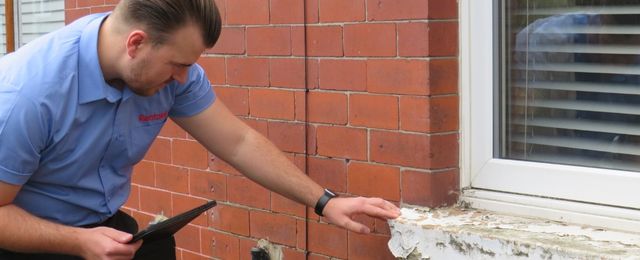
A damp and timber survey from a professional surveyor will be able to confirm the type of damp affecting your property, and provide you with a detailed report outlining their findings. If rising damp is confirmed as the source of the problem because of a lack of a damp proof course, they will then recommend remedial treatments, involving damp proof injections.
Rentokil Property Care have a number of CSRT and CSTDB qualified surveyors who are
experts in identifying different types of damp.
A damp proof course (DPC) injection is a highly effective method of treating rising damp in buildings. DPC injections are commonly used in buildings where the original damp proof course has deteriorated or failed, or because there was no DPC installed when the building was constructed. In the case of slate damp proof courses, these can crack due to subsidence and groundwater can then rise upwards. A damp proof course injection method involves the application of cream that creates a waterproof barrier as the chemical components diffuse into the masonry.
The liquid silane and siloxane components spread by diffusion into the masonry and react with the available silica to form a waterproof barrier. This barrier prevents moisture from rising up the walls, and helps protect the structure from the harmful effects of rising damp.
While damp proof injection may not be suitable for all types of properties, it is the most reliable and cost-effective method of addressing rising damp when it can be applied.
Alternative treatment chemicals and methods are available where required.
A qualified surveyor will be able to determine whether or not your property requires damp proofing, and specifically damp proof injections, by carrying out a damp and timber survey to fully investigate the root cause of the problem in your property.
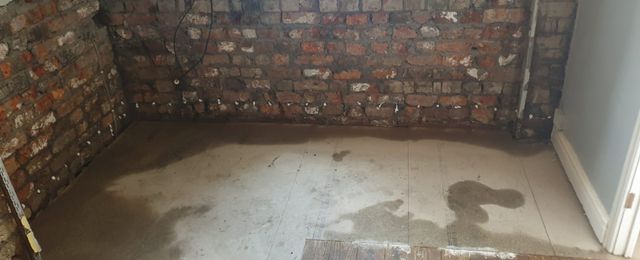
Damp proof injection holes are drilled horizontally into the mortar course, before the specialist damp proof cream is applied. This helps create a waterproof barrier, before the holes are refilled.
A damp proof course (DPC) is a barrier within the fabric of a wall that is used to prevent rising damp. Rising damp will typically only occur if a damp proof course is defective, or if it is absent entirely.
They are installed just above ground level, and prevent moisture rising past the barrier. Typically they are installed when the building is constructed. Many older buildings are built without one, or they have become defective over time. Slate damp proof courses can crack because of subsidence, while bitumen damp proof courses can become brittle and crack when exposed to the sun.
Some buildings may never need a damp proof course, but over time ground levels, water tables or drainage can change, and this will increase the likelihood of a rising damp problem.
Damp proof courses were traditionally made from slate or bitumen, but more modern properties will use damp proof membranes (DPMs) to create a waterproof barrier. An original damp proof course is usually visible within a thicker mortar course, around 6 inches or 150mm above the ground level.
Plastic membranes are the most common method of creating a waterproof barrier, but it is very difficult to install this remedially. This means that the most cost effective and least disruptive method is to install a chemical damp proof course. These remedial barriers are designed to stop rising damp. This means a professional damp and timber survey should be carried out to correctly diagnose the type of damp affecting the property. If the problem is condensation or penetrating damp - a remedial damp proof course may not be required, and will not solve the root cause of the problem.
Your property may require a remedial damp proof course, typically installed through a process involving damp proof injections if your property is suffering from a rising damp problem. A damp proof injection will create a waterproof barrier to prevent moisture from rising upwards through your wall.
This will prevent moisture and hygroscopic salts from rising upwards through walls by capillary action, which over time can lead to damp patches, salty deposits and the deterioration of the surfaces of walls.
Damp walls can also lead to structural issues such as wet rot, especially on joists, floorboards and skirting boards in affected areas. Damp walls may also deteriorate during periods of cold weather, as moisture freezes and thaws, leading to spalling on the face of bricks. This can also lead to the deterioration of mortar joints, which can cause further moisture penetration.
Damp walls affect the thermal properties of masonry which means they can be colder and more heating in the property will be required.
To fix a damp issue it is essential to fully understand what is causing the problem, and this is why it is important to have a damp and timber survey carried out by a trained professional. If no existing damp proof course is found, and evidence of a rising damp problem is apparent, you may require the installation of a remedial damp proof course.
However if an existing and functioning damp proof course is found to be bridged, it may be a case of minor repairs to external renders, high ground levels or bridged internal plaster. A surveyor will always explain the problem in hand before recommending any remedial treatments.
Identifying the early signs of rising damp is crucial to preventing long-term damage to your property. If left untreated, rising damp can lead to deterioration of surfaces, timber decay and potentially more costly repairs in the future.
Here are common signs that you might need a damp proof injection:
It's worth noting that some of these signs of dampness are common with other damp issues, such as condensation - so a thorough investigation is key. Specialists can use a range of tools and specialist equipment to confirm a rising damp problem. They will provide an easy to understand survey report, backed with evidence found to support their findings.
If you have a damp problem and want a definitive solution, get in touch with Rentokil Property Care for a thorough and professional damp and timber survey from a qualified surveyor.
A damp proof injection treatment process is an efficient and cost effective way of treating rising damp in properties with defective or nonexistent damp proof courses. A specially formulated damp proof cream contains liquid silane and siloxane components which react with the silica within the masonry to create a waterproof barrier.
Masonry has tiny pores and through capillary action these pores draw up moisture from the ground, similar to drinking through a straw. The cream is injected into the masonry and spreads through diffusion, lining these pores and creating a waterproof barrier. This protective barrier helps stop moisture from rising upwards, ensuring your property stays dry and protected from the damaging effects of rising damp. Moisture trapped in the masonry can however still evaporate through the surface and the wall will dry out.
The masonry and plasterwork may be contaminated by hygroscopic salts, and over time these salts will continue to migrate to the surface - even if a new damp proof course has been installed. This means the affected areas will often need to be replastered with a salt retardant additive when carrying out damp proofing for rising damp, in order to prevent future salt migration.
A trained technician will drill holes horizontally for the damp proof injection cream to be applied. Damp proof injection is a versatile method of damp proofing and can be applied to different types of masonry.
Once installed the damp proof injection cream will create a waterproof barrier, before the walls are replastered.
Chemical damp proof courses are extremely effective when installed specifically for a confirmed rising damp problem. The most important part is making sure the problem is actually rising damp - as a chemical dpc will not solve damp problems such as penetrating damp and condensation. The cream creates a waterproof barrier which physically prevents moisture from rising upwards. This means the source of moisture must be rising upwards from the ground by capillary action.
We use high-quality BBA-approved damp proofing products and carry out treatments to strict industry standards, giving you peace of mind your newly installed damp proof course will be effective long term. Because of this we typically provide a 30 year guarantee for rising damp treatments, indicating how effective these treatments are when installed correctly by trained professionals.
The length of time a damp proof course lasts totally depends on the building structure and building materials used. Over time a damp proof course can deteriorate where others in similar aged buildings are still working. Some buildings are hundreds of years old with their original damp proof courses working as intended.
Some properties may not have a damp proof course, and may not ever suffer from rising damp. If however, your property is showing signs of rising damp, Rentokil Property Care will first confirm the problem is caused by rising damp, before carrying out remedial damp proofing.
Typically our remedial damp proof injection treatments for rising damp come with a 30-year guarantee, offering peace of mind knowing that your property is protected against rising damp for many years to come.
With Rentokil Property Care’s expertise and top-quality products, you can trust that your damp problem will be effectively resolved for decades.
Yes, damp proofing is an effective way to prevent damp problems in your property, but accurate diagnosis is key. This is because a property can face several types of damp, and the treatment process will vary.
Misdiagnosis will lead to ineffective or unnecessary treatments, which will not solve the root cause of the problem. For example a damp proof injection treatment will not solve a penetrating damp due to driving rain or a mould problem caused by condensation because of a lack of ventilation within a property. This is why it is essential to have a trained professional to carry out a damp and timber survey, in order to fully understand the problems affecting your property. The surveyor will provide you with a survey report outlining their findings, and provide you with recommendations for damp proofing for the identified issues found.
This gives you peace of mind that the root cause of the problem is accurately diagnosed, and the treatment will solve the problem long term.
A damp and timber survey should be carried out by a qualified professional in order to accurately determine the source of damp.
Yes, rising damp is solved by creating a waterproof barrier within the wall to prevent moisture rising upwards. Once rising damp has been confirmed, a chemical damp proof course can be installed horizontally just above ground level. These treatments are tried and tested and are proven to work. Rentokil Property Care carry out thousands of rising damp treatments every year, which are often backed by long term guarantees, protecting properties long term.
After the damp proof injection treatment has been carried out, and walls have been replastered with salt retardant plaster, walls must dry out before redecoration.
Typically, you should wait at least four to six weeks before redecorating, depending on the moisture content of the walls and environmental conditions. Any decorations in the first 12 months should be of a vapour permeable, non-vinyl type. Our team will provide you with expert advice on how long to wait before painting your walls, along with what products are suitable.
The cost of damp proof injection will vary depending on several factors, such as the size of the area to be treated and the extent to damage to timber in the affected area and the amount of replastering needed. Sometimes rising damp can cause other problems such as fungal decay to skirting boards, floorboards and joists, which also need to be addressed.
Rising damp requires a professional to diagnose the problem, as rising damp is often misdiagnosed. A damp and timber survey will outline recommendations if treatments are required, tailored specifically for your property. The survey report will outline the associated costs so you will know exactly what to expect before any work begins.
Once investigated properly, a remedial damp proof injection treatment is one of the most cost-effective methods available for tackling rising damp, and can prevent further more costly repairs in the future if the problem is left untreated.
If you think you have a rising damp problem in your property, you want to trust the company you are working with will get it right the first time.
Rentokil Property Care has been working in peoples homes and businesses for over 70 years, correctly identifying property issues and providing long term solutions.
PCA approved: Rentokil Property Care are a proud member of the Property Care Association (PCA) and have a range of CSTDB, CSRT and CSSW qualified surveyors operating out of our network of local branches.
Which? Trusted Trader: We are endorsed by Which? Trusted Trader - meaning our customer service and workmanship has passed the rigorous trading standards assessments.
Trustpilot: Our damp proofing, structural repairs and timber treatments are rated ‘Excellent’ with over 1,000 reviews from our customers - showcasing our professionalism.
Long Term Commitment: From our origins in the 1920’s to the present day, we have outlived our guarantees several times over. This means you can have complete peace of mind from a Rentokil Property Care guarantee - up to 30 years for some of our services.