
As spring gives way to early summer, the ground beneath our homes often holds residual moisture from winter rains. This lingering dampness can pose a persistent threat to your property: rising damp. Often unseen in its early stages, rising damp can silently undermine your home’s structure and lead to significant issues if left unaddressed. Learning to recognise the subtle early warning signs and understanding preventative measures are crucial steps in protecting your property.
The Science of Rising Damp
At its core, rising damp is a natural phenomenon driven by capillary action. This is the same process that allows water to travel up a plant stem or a paper towel to absorb spills. In a property, ground moisture is drawn upwards through tiny pores and capillaries within the brickwork and mortar, which acts like a sponge. Without an effective barrier, this moisture can continue to rise into the walls of your home, affecting plaster, timber, and indoor air quality.
Common Causes of Rising Damp Beyond a Missing Damp Proof Course
While a missing or failed damp proof course (DPC) is a well-known culprit, rising damp can also be caused or exacerbated by several other factors:
- High Ground Levels: If the ground level outside your property is higher than your DPC, moisture can bypass the barrier entirely.
- Blocked Sub-Floor Ventilation: In properties with suspended timber floors, blocked or inadequate air bricks or air vents prevent proper airflow, leading to humid conditions beneath the floorboards that can push moisture up into walls and timbers.
- Debris Bridging the DPC: Accumulations of rubble, soil, or even overgrown plants in the cavity or against the external wall can create a “bridge” over the DPC, allowing moisture to rise above it.
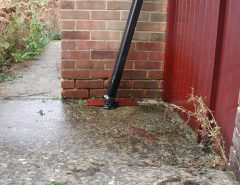
- Faulty External Drainage: Issues with gutters, downpipes, or ground sloping that directs water towards the foundations can contribute to persistently high ground moisture levels, putting pressure on your damp proofing.

Subtle Early Signs: Beyond the Obvious
The classic “tidemark” on walls is a definitive sign of rising damp. However, early detection means looking for more subtle indicators:
- Crumbling Plaster: Moisture and salts drawn from the ground can cause plaster to blister, bubble, or crumble.
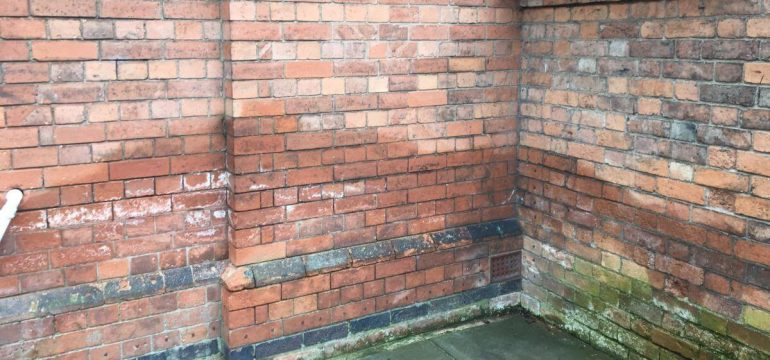
- Salt Efflorescence: White, powdery deposits appearing on external or internal walls are mineral salts left behind as moisture evaporates.
- Persistent Musty Smell: A damp, earthy, or musty odour, particularly in ground-floor rooms or basements, often signals the presence of excess moisture.
- Darkening or Discolouration of Walls: Even without a clear tidemark, a general darkening of the lower walls can indicate moisture absorption.
- Peeling Wallpaper or Deteriorating Paint: These cosmetic issues are often early indicators of damp behind the surface.
Why Early Intervention Matters
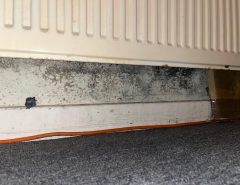
Delaying treatment for rising damp can lead to a cascade of costly and damaging secondary issues. The constant presence of moisture creates ideal conditions for timber decay, including wet rot and the more aggressive dry rot, which can severely compromise structural timbers. Furthermore, damp environments are ripe for mould growth, impacting indoor air quality and potentially posing health risks. Addressing rising damp promptly can prevent these escalating problems and preserve your home’s structural integrity.

Professional Damp Proofing Solutions
Modern damp proofing techniques offer effective and long-lasting solutions to rising damp. These often involve the installation of a new damp proof course, such as an injected chemical DPC, which creates a waterproof barrier within the mortar or masonry. This is typically combined with specialised replastering systems that resist the hygroscopic salts drawn out by damp. Such solutions are tailored to the specific needs of your property, ensuring a comprehensive and effective treatment.
Rising damp can silently undermine your home’s structure. Learning the often-missed early warning signs and critical preventative steps you can take are vital to protect your property from hidden moisture damage. If you suspect rising damp or any other moisture issues in your property, don’t hesitate to arrange a professional damp survey to accurately diagnose the problem and recommend the most effective solutions for a dry, healthy home.