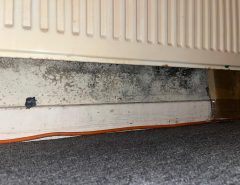

Discovering damp patches, bubbling paint, or discoloured tide marks appearing on internal walls immediately following a storm is an alarming sight for any property owner. Rainwater entering your home is a clear signal that the external protective envelope of your building has been compromised.
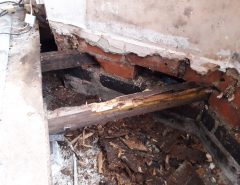
When rain pours, water follows the path of least resistance. If your external brickwork, rooflines, or ground-level drainage systems have defects, rainwater will quickly find its way inside. Ignoring wet patches on internal walls after rain can lead to serious long-term structural issues, including timber decay, ruined plasterwork, and hazardous mould growth.
Understanding why your walls get wet after heavy rainfall, identifying the exact entry point, and knowing how to fix the issue will protect your property’s value and secure your living environment.
Note: Before investigating building defects, it is worth clarifying a common point of confusion. The term “Wetwall” is a popular commercial brand name for waterproof bathroom wall panels. If you are noticing actual physical water, damp plaster, or discolouration on your masonry, you are dealing with a building moisture ingress issue rather than interior decorative panels.
Why Are My Walls Wet After Rain? (Primary Moisture Causes)
When property owners ask why their walls are wet after rain, the answer usually comes down to external structural vulnerabilities that allow rainwater to breach the building envelope.
Penetrating Damp
The most common reason for a wet patch on an internal solid, rather than cavity wall after rain is penetrating damp. Penetrating damp occurs when heavy, wind-driven rain forces moisture laterally through porous building materials. Over time, exposure to severe weather causes external brickwork, stone, render, and mortar joints to deteriorate. Rainwater soaks into the porous external surface, traveling all the way through the wall until it saturates the internal plasterwork. It is important you note the location of the damp. Low-down damp will have a different source of moisture to patch damp over the wall surface.
Defective Drainage and Guttering
A building’s rainwater disposal system is designed to channel heavy rainfall safely away from the masonry. When gutters become blocked with autumn leaves, or when downpipes crack, rainwater overflows. Instead of draining away, large volumes of water pour continuously down targeted areas of the external wall. The saturated brickwork quickly becomes overwhelmed, resulting in localised wet patches appearing on internal walls directly behind the defective pipework or overflowing gutter. If this defect is not addressed, algae, moss and ferns will often start to grow on the surface, causing further breakdown.
Why Is My Wall Wet But No Leak Is Present?
Homeowners often express confusion when a wall becomes wet after rain despite there being no visible plumbing pipes nearby, asking: why is my wall wet but no leak is present?
Internal plumbing leaks originate from pressurised water pipes or waste pipes inside the home and remain wet constantly, regardless of the weather. If your wall only becomes wet or damp during and immediately after heavy rainfall, the moisture source is unequivocally external. Wind-driven rain is forcing its way through invisible micro-cracks in the external masonry, or rainwater is collecting outside and penetrating the wall structure.
Why is my cavity wall showing damp?
Although cavity walls should stop water ingress, there are some occasions when this can happen. If the cavity has been poorly filled with insulation, water can track across the insulation. If wall ties are put in at an angle from outside to inside, water can run inwards. If wet mortar is thrown down the cavity during construction, or if dry, broken mortar builds up at the bottom of the cavity over time, this can cause a damp bridge above the installed DPC. Dampness will appear as discrete patches in line with each defect or as a line around skirting board height.
Why Are Basement Walls Wet After Rain?
Basements, cellars, and below-ground rooms face extreme moisture challenges during heavy rainfall. Unlike above-ground walls exposed to air, below-grade foundation walls sit directly in contact with the surrounding earth.
When a storm hits, large volumes of rainwater soak into the surrounding ground, causing the soil to expand and saturate. This builds up immense hydrostatic pressure against the external basement walls, as the water table rises.
The weight of the saturated earth forces groundwater through the smallest vulnerabilities in the building’s substructure. Water is pushed through hairline cracks in concrete, open mortar joints in stone foundations, or the floor-to-wall junction where the basement slab meets the wall. Without a dedicated, professional structural waterproofing system, basement walls will consistently become wet after heavy rain. Some old cellars, particularly when properties are built into a bank, will have a drain channel running down the middle of the floor and out through a hole in the wall. It is important that this is not obstructed, as it allows water to escape naturally from an outlet down the slope or into a soakaway.
What is Rainwater Splashback? (Ground-Level Rain Ingress)
While roof leaks and high-level penetrating damp are widely understood, ground-level moisture entry is frequently overlooked. A major cause of wet walls at the base of a property is a physical process known as rainwater splashback.
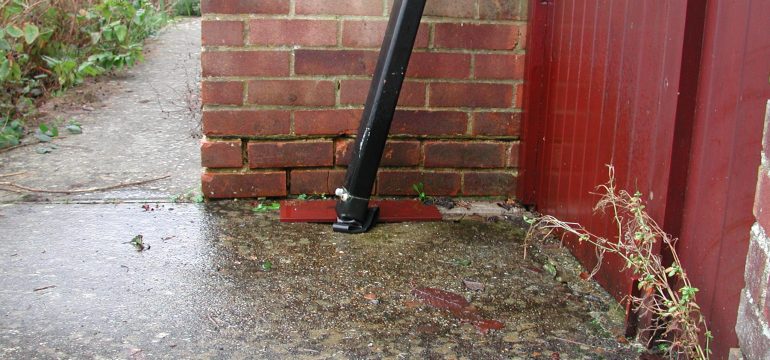
Rainwater splashback occurs when heavy rain falling from the sky, rooflines, or downpipes hits hard, impermeable surfaces adjacent to your house, such as concrete paths, stone outdoor paving, or asphalt driveways.
Upon hitting the hard surface, the rainfall impact energy causes the water to bounce upward, splashing continuously against the lower 30cm to 50cm of your external brickwork.
This continuously bouncing water hits the wall above the level of your internal damp-proof course (DPC), if one is present. Over time, relentless splashback breaks down exterior render, washes away mortar, and drives water directly into the lower brickwork. As the wall absorbs the water, it causes salt efflorescence (white powdery crusts) on the external brickwork and leaves internal skirting boards and lower wall plaster saturated.
How to Tell Splashback from Penetrating Damp and Condensation
Correctly diagnosing the source of water on your walls is essential before attempting any repairs:
- Rainwater Splashback: Dampness is confined strictly to the bottom 30cm to 50cm of exterior and interior walls directly adjacent to hard outdoor paving or driveways.
- Penetrating Damp: Damp patches appear higher up on external-facing walls, around window frames, under window sills, or directly below roof junctions following wind-driven rain.
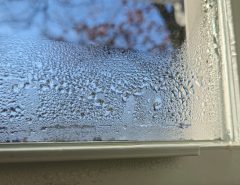
- Condensation: Water droplets form on cold walls, window glass, and on cold bridges such as window lintels or the top external corners of rooms. This is particularly common in winter due to high indoor humidity and poor background ventilation, rather than directly following rainfall.
How Do You Fix Wet Walls and Stop Rainwater Seeping Through?
Fixing wet walls permanently requires stopping water at the entry point outside. Attempting to paint over a wet patch inside with waterproof paint merely traps the moisture inside the wall, causing the plaster to blow and the paint to bubble off.
Ground-Level Adjustments
To stop rainwater splashback, you must break the impact energy of falling rain. Replace hard concrete paths or stone paving directly touching your wall with a deep border of loose gravel or stone chippings. Raindrops hitting loose gravel dissipate their energy immediately without bouncing, stopping splashback water from hitting the brickwork above the DPC line and providing some natural drainage.
Exterior Masonry Protection
Repair deteriorated exterior mortar joints by repointing walls using appropriate, breathable mortar. For porous brickwork or stone vulnerable to wind-driven rain, apply a professional, breathable, water-repellent siloxane masonry protection cream. These specialist coatings line the pores of the brickwork to repel liquid water while allowing water vapour to escape from inside the wall, keeping the masonry dry. Other liquid products are available, but these often seal the surface and are not vapour permeable, so they can make the issues worse.
Roofing and Drainage Repairs
Clear high-level roof gutters and hoppers of leaves and debris. Repair cracked downpipes and extend downpipe shoes at ground level so they discharge water safely into drains rather than dumping water directly onto the ground beside your foundation walls. Ensure window sills feature clean, unblocked drip grooves on their underside to stop rainwater from running backward onto the wall.
How Long Do Wet Walls Usually Take to Dry Out?
Homeowners facing a freshly sealed wall often ask: how long do wet walls take to dry out?
Once the external moisture entry point has been permanently fixed, a saturated masonry wall dries out extremely slowly. The drying rate is affected by surface finishes such as render on the outside, moisture evaporation rate, and how much sun/wind the wall is exposed to. As a general rule of thumb, brickwork and dense plaster dry out at a rate of approximately one month per inch (25mm) of wall thickness. A standard 9-inch solid brick wall can take between 6 to 9 months to dry out completely under natural conditions. You can safely accelerate this process indoors by maintaining low, steady background heat, ensuring good airflow, and using commercial dehumidifiers.
How Rentokil Property Care Can Help
Accurately locating the exact entry point of rainwater ingress requires specialist diagnostic expertise. Rentokil Property Care operates an extensive network of qualified damp surveyors across the UK, offering trustworthy advice and tailored solutions for property owners. They hold benchmark CSRT (Certificated Surveyor in Remedial Treatments) and CSTDB (Certificated Surveyor of Timber and Dampness in Buildings) qualifications, ensuring an accurate, honest assessment of your property without recommending unnecessary work.
Our team of qualified and experienced surveyors and technicians is ready to provide solutions for all types of property damage, including rising damp, penetrating damp & condensation.
Our local surveyors utilise advanced, non-destructive diagnostic tools, including thermal imaging cameras and electronic moisture meters, to map the exact extent of moisture inside your walls without damaging your decor.
We provide clear, detailed survey reports that distinguish between penetrating damp, rainwater splashback, and condensation issues. Whether your property requires specialist structural damp proofing, masonry protection coatings, or basement waterproofing systems, our PCA-accredited treatments are executed to the highest industry standards and are backed by robust long-term guarantees.
Conclusion
Wet walls appearing after rainfall are a clear indicator that rainwater is breaching your property’s exterior defences. Whether caused by high-level penetrating damp, overflowing gutters, or ground-level rainwater splashback, fixing the root cause outside is the only way to stop permanent structural decay. By acting quickly, making essential ground-level adjustments, and seeking an expert diagnosis, you can keep your home warm, dry, and structurally secure for years to come.