
While in the Property Preservation industry, damp proofing and structural waterproofing mean two very different things, for commercial clients, homeowners, landlords and social housing providers, there is a common misconception that damp proofing and structural waterproofing are entirely interchangeable terms. They will often assume that any product with “damp” or “water” in its name will solve their property’s moisture problems.
However, applying the wrong method to a specific moisture issue can be a costly mistake that fails to protect the property in question from moisture ingress and may even cause moisture to become trapped within the fabric of the building.
Understanding the clear definitions for both terms is the first step toward choosing the right solution for your specific issue, while making it easier to understand the requirements for your property.
At its simplest:
- Damp proofing is a process of preventing moisture from entering a property from outside through walls and floors, typically above ground level.
- Waterproofing is the process of using a technique or combination of techniques to prevent below-ground moisture from entering the internal space. This will typically include a high-performance barrier designed to prevent groundwater from entering the internal space, as may occur with a high water table or flooding. It is commonly used in below-ground spaces such as basements and cellars.
What is Damp Proofing and When is it Used?
Damp proofing is a process designed to deal with moisture ingress caused by penetrating damp and rising damp. It can also cover techniques used to deal with condensation, which is caused by excess moisture created within a property that is unable to escape through ventilation.
Depending on the type of damp, the damp proofing required will be different, making accurate diagnosis of the root cause key.
Techniques Used in Damp Proofing
Most properties in the UK are protected from rising damp through a damp proof course (DPC) built into walls, while regular maintenance and upkeep of a building will often prevent building defects that can cause penetrating damp.
Damp proofing techniques include:
- Damp Proof Courses (DPC): A physical or chemical horizontal barrier installed into masonry walls to stop groundwater from rising vertically via capillary action. This form of damp proofing is for rising damp, and will not prevent other forms of damp such as condensation and penetrating damp.
- Damp Proof Membranes (DPM): A heavy-duty, flexible plastic sheet material laid underneath concrete floors or on walls lower than the external ground levels, to stop earth moisture from entering the internal space.
- Liquid-Applied Bitumen-Based Coatings: Thick, brush-applied liquid membranes coated directly onto masonry surfaces to form a barrier against minor lateral moisture transmission.
- Masonry Protection Creams: Porous masonry can often allow wind-driven rain to penetrate inside a building, causing damp patches and cold walls. Masonry protection creams create a waterproof barrier by lining the pores in masonry, without blocking them, preventing liquid water absorption, but allowing trapped water vapour to evaporate out. If the mortar is damaged, it is important that it is re-pointed before cream application, to get the most out of the system.
Can We Apply Damp Proofing on Wet Walls?
The short answer is yes, depending on the product and required outcome.
An injected DPC can be placed in a wet wall, but surface-applied masonry protection creams require a relatively dry wall and no rain during application.
Liquid-applied bitumen-based coatings will have specific application requirements, whilst damp-proof membranes can be fixed to any wall, but it must be remembered that any water issuing from the wall or floor surface must be controlled.
If you are unsure about the type of damp causing the issue, and the specific treatment required to solve it, you should seek advice from a qualified professional rather than carrying out DIY treatments that could go wrong.
What is Waterproofing and the Techniques Involved?
Structural waterproofing refers to the application of an absolute, seamless barrier designed to resist liquid water under active hydrostatic pressure. Unlike damp proofing, which only manages damp soil moisture, waterproofing is engineered to withstand flooding, high water tables, and water actively pushing against the property’s sub-structure.
According to British Standard BS 8102, there are three primary structural waterproofing systems used to protect properties:
- Type A (Barrier Protection / Tanking): This system involves applying a continuous, completely impervious barrier directly to the internal or external surfaces of the structure. It physically “seals” the building fabric against water ingress.
- Type B (Structurally Integral Concrete): This method relies on the design of the building itself. The property is constructed using specially engineered, water-resistant reinforced concrete that is naturally impervious to liquid water penetration.
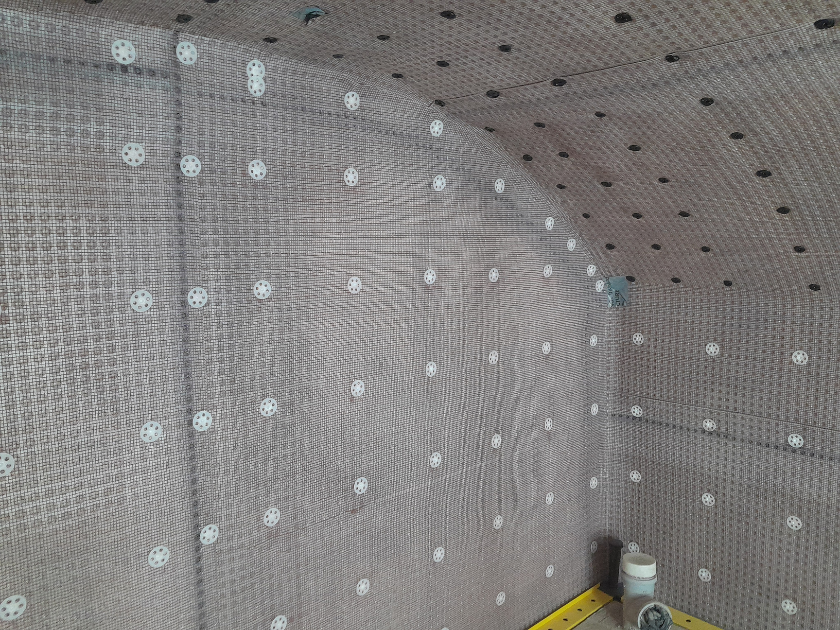
- Type C (Drained Cavity Protection Membranes): This is widely considered the most reliable internal waterproofing method. It utilises high-density studded plastic membranes fixed directly to the walls and floors. Instead of trying to hold back the immense pressure of the water, Type C membranes control and manage water ingress, directing it safely behind the membrane into internal drainage channels and out of the building via gravity or a sump pump system.
To comply with the requirements of NHBC ‘Chapter 5.4’, two types of waterproofing must be used to protect against potential failure in the future. This is also the case with some warranty providers, where totally dry below-ground structures are being designed.
Moisture and Water Ingress: Identifying Your Damp Problem
Before choosing between these two distinct technologies, you must accurately diagnose the underlying moisture issue affecting your building. There are four primary forms of dampness encountered in domestic properties:
- Rising Damp: Groundwater traveling vertically up masonry by capillary action because of a failed or missing damp proof course.
- Penetrating Damp: Lateral rainwater penetration through external walls due to structural defects like cracked rendering, leaking downpipes, or porous masonry.
- Condensation: Warm humid moisture in the air hitting cold internal surfaces and condensing into liquid water droplets due to poor ventilation.
- Plumbing Leaks: Hidden internal water egress from faulty pipework, broken radiators, or failed bathroom silicone seals.
Contrasting Their Warning Signs
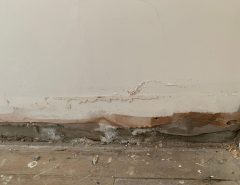
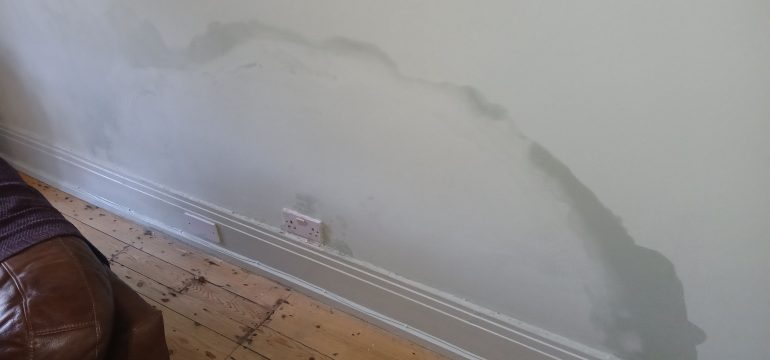
The warning signs of these distinct damp issues vary dramatically across property sub-structures. Capillary moisture tracking upwards typically produces salt efflorescence (powdery white or coloured mineral deposits) and peeling wallpaper on lower ground floors.
Conversely, severe penetrating moisture or high water tables below ground level will result in severe staining, blistering plaster, and actively pooling water on basement floors, indicating a problem that damp proofing coatings cannot fix.
Below-Ground vs. Above-Ground: Choosing the Right Solution
The choice between structural waterproofing and standard damp proofing controls often comes down to whether or not the masonry affected is above or below the external ground level.
Below-Ground
For basements, cellars, and earth-retaining walls, structural waterproofing is essential to prevent issues caused by hydrostatic pressure.
The surrounding earth holds water, and the weight of that groundwater pushes directly against the masonry. A standard damp-proof paint or bitumen coating possesses no structural resistance against this pressure; it will quickly bubble, blow off the wall, and allow liquid water to enter the room.
Above-Ground
For above-ground brickwork or stone walls, standard damp-proofing controls or specialised water-repellent external coatings are usually perfectly adequate, depending on the source of the damp.
The Risks of Getting It Wrong: Untreated Timber and Masonry Damage
Misapplying a damp coating which then masks a damp problem can cause potential financial and structural consequences for property owners.
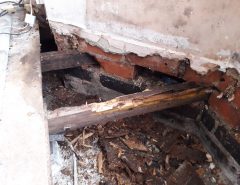
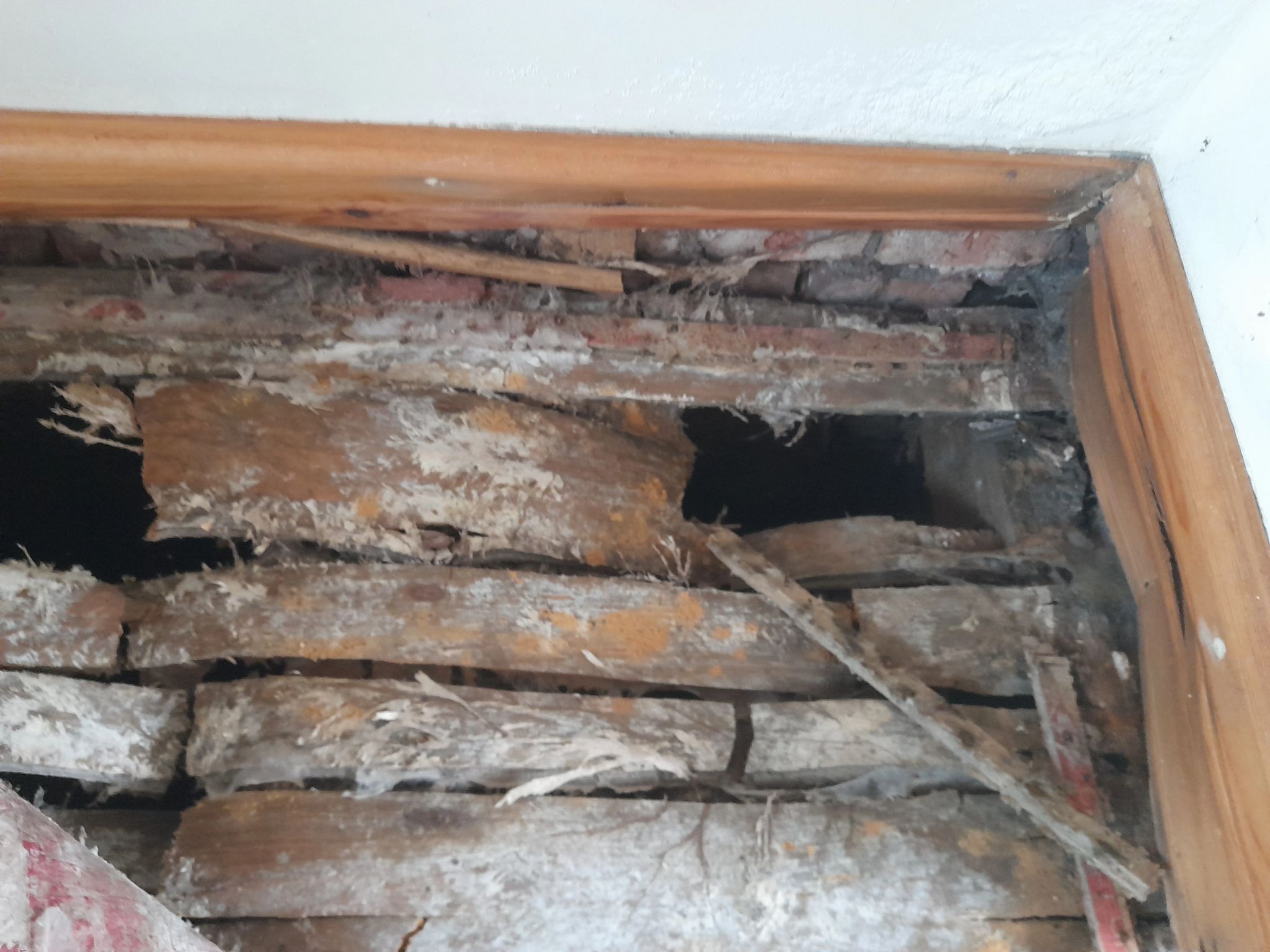
Trapping moisture within structural walls creates the perfect damp environment for timber decay in the form of woodworm infestation and fungal decay. Increasing the moisture content of timber can create optimal conditions for wet or dry rot, which will decay structural floor joists, embedded timber wall plates, and skirting boards from the inside out.
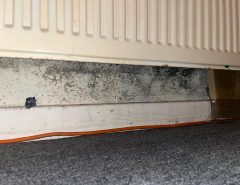
Furthermore, cold, damp masonry encourages mould growth, releasing airborne spores into your living spaces that could compromise the respiratory health of occupants.
How Rentokil Property Care Can Help
In order to fully understand whether waterproofing or damp proofing is required, a specialist damp and timber survey should be conducted by a qualified surveyor.
Rentokil Property Care has a network of qualified local surveyors who hold PCA (Property Care Association) certifications, ensuring your building is evaluated in accordance with strict industry standards.
Surveyors are equipped with advanced diagnostic equipment used to confirm the type of damp, with the surveyor providing recommendations based on their findings. They will provide you with an easy-to-understand survey report, including details on any treatments, but only if they are required.
Where damp proofing is required, our preservation treatments are often backed by our long-term guarantees, up to 30 years for some services. This gives you long-term peace of mind that your home’s value is secure.
Conclusion
When it comes to protecting your property, never attempt to mask an underlying damp problem with superficial damp coating.
To prevent the problem long term, you must use the correct product or technique that deals with the root cause of the moisture to ensure a permanent cure.
By understanding whether your building requires damp proofing to block rising capillary dampness or structural waterproofing to hold back active water pressure, you can invest in the correct solution the first time around.
If you are unsure about whether you need damp proofing or waterproofing, you should always seek advice from a professional surveyor who will provide you with recommendations to solve the problem.
Take control of your home’s moisture protection today.
Unsure whether your property requires damp proofing or specialised structural waterproofing? Book a professional survey with Rentokil Property Care today to secure an expert diagnosis.