
As winter approaches, bringing colder temperatures, our natural instinct is to seal up our homes, close windows, and crank up the heating. While these steps help to keep us warm, they can inadvertently create the perfect breeding ground for two unwelcome guests: condensation and mould. These common winter property issues can impact not only the appearance and structure of your home but also the indoor environment.
Understanding Condensation: The Winter Culprit
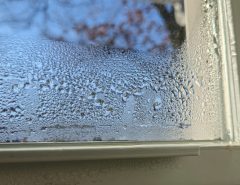
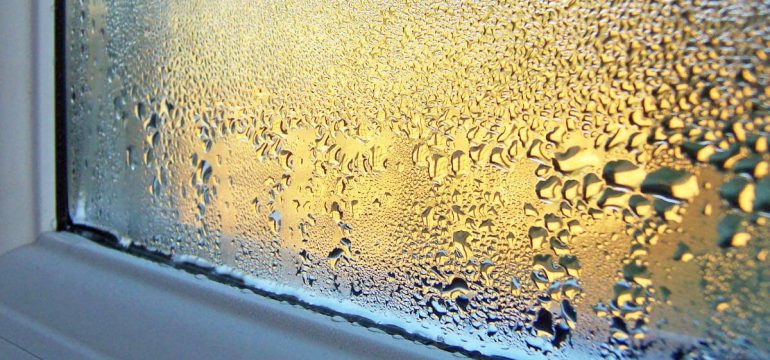
Condensation occurs when warm, moisture-laden air comes into contact with colder surfaces, such as windows, external walls, or even cold spots behind furniture. As the warm air cools, it can no longer hold as much moisture, causing the excess water vapour to turn into liquid droplets.
Common causes of high indoor humidity and condensation include:
- Everyday activities: Cooking, showering, drying laundry indoors, and even breathing all release significant amounts of moisture into the air.
- Poor ventilation: Without adequate airflow, moist air becomes trapped inside.
- Insufficient heating: Cold surfaces provide prime spots for condensation to form.
Left unaddressed, persistent condensation can lead to damp patches on walls, peeling wallpaper, deteriorating plaster, and a general musty smell throughout your home.
The Unhealthy By-Product: Mould Growth and Treatments
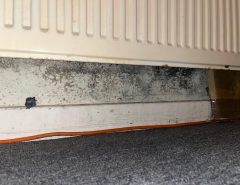
The direct link between persistent dampness from condensation and mould growth is undeniable. Mould spores are ubiquitous in the air, but they only germinate and flourish when they find a suitable damp surface. Often appearing as black, green, or even white fuzzy patches, mould is not just an aesthetic problem.

Health risks associated with mould: Exposure to mould can trigger or exacerbate respiratory issues, allergies, and other health problems, particularly for vulnerable individuals such as the very elderly, very young or asthmatic.
Professional Mould Treatments: While small patches of surface mould might be removed with household cleaners, widespread or recurring mould growth indicates a deeper underlying moisture issue that needs professional attention. Effective mould treatments go beyond superficial cleaning; they involve:
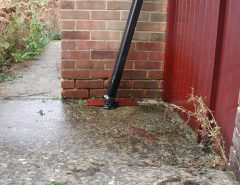
- Identifying and addressing the root cause of the dampness (e.g. condensation, penetrating damp, leaky pipework).
- Safe and thorough removal of existing mould, preventing spore spread.
- Applying fungicidal treatments to inhibit future growth.
- Implementing long-term solutions to control humidity and improve ventilation.
Practical Ventilation Solutions for Colder Months
Improving ventilation is key to battling condensation without making your home excessively cold.
- Ventilate Daily: Even in winter, open windows for 5-10 minutes each day to allow stale, moist air to escape and fresh air to circulate. Cross ventilation (by opening windows on opposite sides of the house) is most effective.
- Use Extractor Fans: Always use extractor fans (where fitted) in kitchens and bathrooms when cooking or showering, and ensure they are properly maintained and ideally, vented to the outside.
- Manage Indoor Humidity: Put lids on saucepans when cooking, dry clothes outdoors where possible, and avoid overfilling kettles.
- Maintain Consistent Heating: Keeping your home at a consistent, moderate temperature helps to prevent cold spots where condensation can form. Avoid turning the heating off completely for long periods.
- Clear Blockages: Ensure air bricks and trickle vents are clear and not blocked by furniture or insulation, allowing continuous airflow.
Landlord Responsibilities: A Legislative Context
For landlords, understanding and addressing damp and mould is not just good practice; it’s a legal obligation. Legislation such as the Homes (Fitness for Human Habitation) Act 2018 in England places a clear duty on landlords to ensure their properties are fit for human habitation. This includes ensuring premises are free from serious damp and mould, which can render a property unfit. Proactive maintenance and swift action on tenant reports of damp and mould are essential for legal compliance and tenant wellbeing.

As winter approaches and we seal our homes against the cold, condensation and mould can become unwelcome guests. Learning how to identify, prevent, and effectively treat these common winter property issues is vital for creating a healthier and warmer indoor environment. If you’re struggling with persistent condensation or extensive mould growth, seeking professional assistance is the most effective way to diagnose the underlying issues and implement lasting solutions for a dry, healthy home.