For over 100 years we have protected properties across the UK from pests
All local technicians are highly trained and qualified pest controllers
Innovative and unique treatments that resolve pest problems effectively
Common Signs of a Moth Infestation
The presence of moths in your home can be frustrating and can also affect your mental health. Not just because of the damage they can cause, but it’s likely to be damage to clothes, textiles and fabric that you may have an emotional attachment to – nobody wants to find damage on their carefully stored wedding dress, or holes in a quilted throw handed down from a beloved grandmother. The damage these pests can cause to carpets, curtains and upholstery can also become very costly.
Identifying a textile moth problem early is crucial because the damage is often done by the larvae (the "caterpillars") before you ever see an adult moth flying around. Unlike common house moths, textile moths are "photophobic"—they hate light—so they hide in the darkest, most undisturbed corners of your home.
Here are the most common signs to look for:
Physical Damage to Fabrics
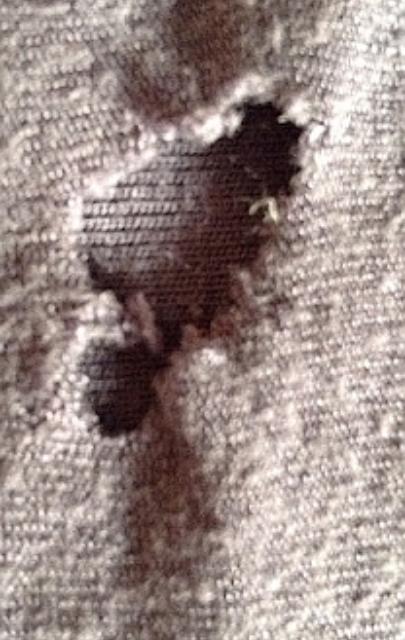
The most obvious sign is the damage to fabrics left behind by feeding larvae.
Irregular Holes: Look for small, scattered holes in natural fibers like wool, silk, cashmere, fur, and feathers. They rarely eat purely synthetic fabrics unless they are heavily soiled.
"Grazing" Marks: You might see thinned patches or "surface grazing" where the larvae have eaten only the top layer of the fabric without going all the way through.
Bald Spots on Rugs: In wool carpets, look for patches where the "pile" (the fuzzy part) is missing, leaving only the stiff backing visible. This often happens under heavy furniture that isn't moved often.
Visible "Trace" Evidence
Larvae leave behind several distinct tell-tale signs as they grow:
Silken Tubes or Cases: Depending on the species, you may find small,"tunnels" (webbing) attached to the fabric or "cases" that look like a grain of rice moving across the material. These cases are often the same colour as the material being consumed so look carefully.
Frass (Larval Droppings): You might see tiny, sand-like grains that are often the same color as the fabric being eaten.
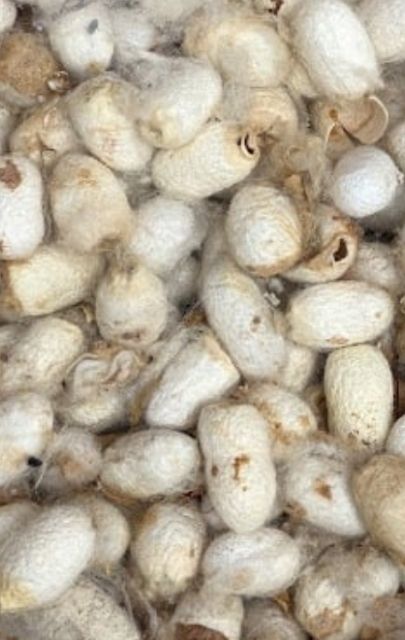
Cocoons: Look for small, tough silken "envelopes" tucked into the seams of clothing, inside pockets, or behind skirting boards.
The Insects Themselves
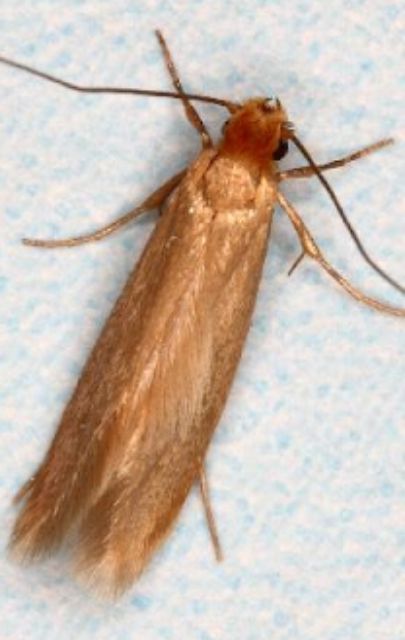
Adult Moths: Textile moths are small (about 6–8mm) and usually a silky gold or buff color. Unlike stored product (food) moths, they don't fly well; they tend to "flutter" weakly or scurry across the floor and stay away from bright lights.
Moth Larvae: If you find them, they look like tiny, creamy-white caterpillars with dark heads, usually about 10–12mm long.
Because they prefer dark, quiet areas, you should specifically inspect:
Underneath collars, inside cuffs, and along the seams of clothes made of natural fibres
Behind or underneath heavy furniture (sofas, wardrobes, draws).
Inside storage boxes containing "heirloom" textiles or blankets.
The edges of wall-to-wall carpeting, especially near skirting boards
Frequently Asked Questions: Moths Inside Your Home.
What are the first signs of a moth infestation?
Because clothes and carpet moths avoid light, you’ll rarely see the moths themselves. Instead, look for these early warning signs:
Fabric damage: Thin patches on wool or cashmere, or bald spots on carpets (especially under furniture).
Silken structures: Fine webbing, tiny rice-like cases, or small cocoons in seams, pockets, or skirting boards.
Frass (droppings): Sand-like grains that match the color of the fabric being eaten.
Unusual moth behavior: Small golden moths that scuttle or hide in dark spaces rather than flying toward light.
Why do moths suddenly appear in my house?
Textile moths don’t appear out of nowhere—they’re usually either brought in or already present but hidden. Common triggers include:
Hitchhikers: Brought in on second-hand textiles, furniture, or bird nests.
Seasonal cycles: Dormant larvae pupate and emerge when warmth triggers their life cycle.
Food attraction: Sweat, skin cells, and food stains on fabrics provide nutrients.
Migration: Occasionally fly in through open windows seeking keratin-rich materials.
Where did they likely come from?
If you see them "suddenly," check these specific locations:
The Chimney: Abandoned bird nests in chimneys are a massive, often overlooked source.
Under Heavy Furniture: Check the "dead zone" under your sofa or bed where dust (made of hair and skin cells) accumulates.
The "Forgotten" Bag: That bag of clothes meant for the dry cleaners or donation that’s been sitting in the back of a closet for six months.
Should I be worried if I see a moth?
It depends on the type and location:
Harmless visitor: Large, colorful moths flying toward lights are outdoor moths—just catch and release.
Textile moths: Small, pale golden moths hiding in dark corners or scuttling instead of flying signal a risk to clothes, rugs, and fabrics.
Pantry moths: Two-toned moths (grey and reddish-brown) flying around kitchens or food cupboards indicate stored food infestations.
What time of year do clothes moths appear?
Traditionally, moths were most active from April to August, with adults emerging in spring and peaking in summer. However, modern heated homes mean moths can appear year-round.
Spring wave (April–May): Adults emerge from cocoons to mate and lay eggs.
Summer peak: Warm, humid weather speeds up their life cycle, producing a second generation by late summer.
Heating factor: Central heating keeps larvae active all winter, and switching on heating in autumn can trigger sudden bursts of adult moths.
Lifecycle reminder: Eggs hatch in days, larvae feed for months (sometimes years), pupae rest in cocoons, and adults live about 30 days to lay 50–200 eggs.
How do I know if I have clothing moths?
You’ll rarely see the moths themselves—look for signs left by the larvae:
Fabric clues: Gritty frass (droppings), sticky webbing, or rice-like larval cases on wool, silk, or cashmere.
Damage patterns: Thinned patches, tattered seams, or bald spots on carpets under furniture.
Moth behavior: Small golden moths that scuttle or hide in dark corners rather than flying toward light.
Trap test: Pheromone traps in wardrobes or dark storage areas—catching more than 1–2 moths in a week signals an active infestation.
What harm can moths cause?
Moths are not dangerous to people, but textile moths can be highly destructive in three ways: