




How to get rid of mosquitoes
Get safe, professional targeted treatments to quickly remove mosquitoes

Call us for a quote on 0808 163 1487
No one likes the idea of being bitten by mosquitoes, midges or gnats. Yet climate conditions, especially in southern England, are becoming increasingly more hospitable to mosquitoes. Bites are irritating, and although not usually as painful as being stung, mosquito bites are very itchy causing a lot of discomfort.
Furthermore, the rising frequency of mild winters and damp, protracted springs has allowed some mosquito species to extend their breeding seasons and expand their range within the UK. Consequently, both homeowners and businesses are observing a noticeable increase in nuisance biting, sometimes resulting in disrupted outdoor spaces and reduced enjoyment of gardens, parks or commercial patio and garden areas. Moreover, individuals with heightened sensitivities may experience pronounced swelling or secondary infections due to persistent scratching, which underscores the importance of effective mosquito control and awareness of preventive measures to minimise exposure and health risks.
Yes, there are more than 30 native mosquito species in the UK, some of which bite (such as Culex molestus) and others like Culex pipiens that are just a general nuisance and do not carry disease. There is, however, an invasive species—the Asian Tiger mosquito—which has progressed northwards, up through southern Europe since the 1970s. Asian Tiger mosquito eggs and larvae have been discovered in sites in the UK in recent years, but it is not yet established in the UK. The Asian Tiger mosquito (Aedes albopictus) is known to transmit the viruses Chikungunya and Dengue Fever. Although there is no immediate danger, the BPCA (British Pest Control Association) recommends vigilance, particularly in the Southeast of England.
Furthermore, public health authorities are actively monitoring for Aedes albopictus because of its association with global outbreaks of vector-borne diseases, and increased travel and climate shifts may heighten the risk of introduction and establishment of invasive mosquito species. Therefore, property owners and business managers are urged to stay informed about changing mosquito populations, since early identification and control are crucial to preventing mosquito infestations.
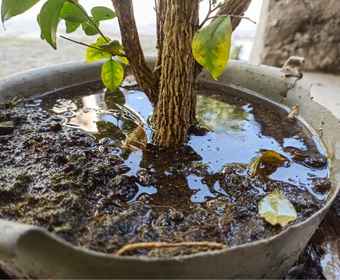
A practical and thorough approach to mosquito prevention begins with a well-considered checklist that targets every stage of the insect’s life cycle. Start by identifying and eliminating sources of stagnant water around your property, as even small amounts can create suitable breeding environments.
Encourage everyone in your household or workplace to take part in regular checks during the active mosquito season (usually April till October), which helps ensure that new breeding sites are promptly managed. These straightforward yet effective measures can help minimise the risk of bites.
By proactively reducing mosquito activity, you can significantly decrease the risk of bites and subsequent skin irritation, allergic reactions, and secondary infections caused by scratching. Adopting a comprehensive prevention strategy not only enhances personal comfort but also helps mitigate the health concerns associated with rising mosquito populations in the British climate.
Effective indoor prevention begins with eliminating standing water:
Remove standing water collected in plant trays, buckets, or neglected drains.
Regularly empty & clean items such as vases & pet water bowls, & check for condensation or overlooked pooling near appliances or in utility rooms. This will help to disrupt mosquito breeding cycles.
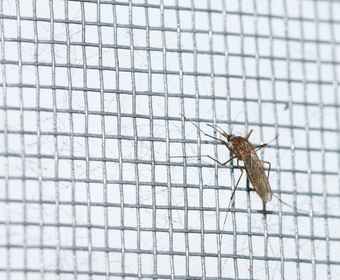
Installing tightly fitted insect screens on windows, vents, & doors significantly reduces the likelihood of mosquitoes entering indoor spaces, while using fans may help disrupt their flight patterns.
Regular garden maintenance is equally essential:
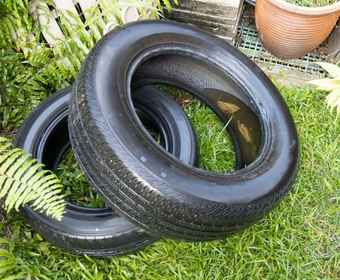
Monitor and maintain drains, water butts, & even less obvious places like tarpaulins, plant saucers, old tyres or wheelbarrows where rainwater can persist.
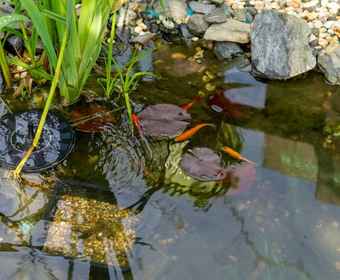
Covering outdoor water storage with secure lids and introducing fish, such as goldfish, into garden ponds can provide natural control of larvae without the need for chemical treatments.
These measures are not only important for homes but are also recommended best practices for businesses and public spaces aiming to uphold health standards and ensure the wellbeing of visitors and staff.
In the UK, mosquitoes primarily impact businesses by acting as a persistent nuisance, which can lead to diminished customer satisfaction, negative reviews for hospitality venues, and significant employee discomfort.
While the risk of disease transmission via mosquito bites remains low, the increasing presence of invasive species requires a proactive and informed approach to site management.
Key operational impacts for UK businesses include:
For businesses, particularly those across the Southeast, the most effective strategy is the rigorous management of standing or stagnant water to suppress nuisance mosquito populations before they can establish themselves.
Whether they are disease carrying or nuisance biting mosquitoes, you need to mitigate the risk of any infestation swiftly to protect your employees, customers and your business reputation.
Rentokil provides safe, reliable and effective insect control from highly trained specialists. Our expertise lies in developing a customised integrated insect control programme to protect your business premise and reputation from biting insects (including mosquitoes).
Get safe, professional targeted treatments to quickly remove mosquitoes
The United Kingdom is home to an array of around 30 native mosquito species, with the majority belonging to the genera Culex, Anopheles, and Aedes. In recent years, the presence of the invasive Aedes albopictus, also known as the Asian Tiger mosquito, has raised public health concerns due to its links to viruses like dengue, chikungunya, and Zika in other parts of the world, although it is not yet established in the UK. Vigilant identification and monitoring are essential for early targeted control strategies.
In the UK, mosquitoes are primarily a nuisance, causing itchy, inflamed bites. While they do not currently spread Malaria or Yellow Fever domestically, they can carry West Nile Virus and Usutu Virus in bird populations, which may occasionally jump to humans. For most, the main risk is secondary infections from scratching bites.
The most effective method is source reduction. Mosquitoes require stagnant water to breed; emptying saucers, buckets, and blocked gutters removes their habitat. For active personal protection, use repellents containing DEET or Icaridin. Ensuring windows have fine mesh screens will also help. Professional "fogging" is rarely needed in the UK compared to the importance of addressing standing water.
Mosquitoes typically emerge in late April or May as temperatures rise. They thrive in the variable British climate, favouring warm spring showers and mild, damp autumns. Their peak activity occurs during the warmest months of July and August, often coinciding with humid weather. Depending on the autumn temperature, they may remain active until late October before hibernating or dying off as the first frosts arrive.
Both mosquitoes are attracted to carbon dioxide CO2 and heat, not body fat. People with higher metabolic rates—often those who are larger, pregnant, or have recently exercised—exhale more CO2, making them easier for mozzies to track. They may also be attracted to specific skin bacteria and Type O blood, regardless of a person's weight.
Mosquitoes are repelled by strong scents that mask human odours (carbon dioxide & lactic acid). They particularly dislike Citronella, Eucalyptus, Peppermint, and Lavender. In the UK, the most effective natural deterrent is Lemon Eucalyptus oil (PMD). While burning citronella candles provides some local relief, skin-applied repellents offer much more reliable protection against bites.
Most UK mosquito species are crepuscular, meaning they are most active at dawn and dusk. During these twilight hours, lower light levels and higher humidity suit their internal body clocks. However, some species, particularly those found in shaded woodland or invasive varieties, may bite during the day if disturbed.
Mosquito eggs are tiny, dark, and often resemble miniature rafts or seeds floating on the water's surface. In the UK, they are most frequently spotted at the edges of unlidded water butts, garden saucers, or pond margins. Some species lay eggs individually on damp soil or container walls, waiting for rain to trigger hatching.
We have a range of Mosquito DIY products to help with controlling mosquitoes and midges or gnats. These are effective if you have a small infestation. However, if your problem won’t go away, you’ll need professional advice. Our technicians are highly trained and professionally qualified, with credentials recognised by the pest control industry, BPCA and NPTA. They are experts in the habits of gnats and mosquitoes and can provide the best mosquito treatment for your specific problem as well as advice on how to keep these insects at bay.
Find out more about mosquitoes.


