Book Online
Book your Wasp Nest Treatment online NOW & receive £20 discount.

Call for a quote +448081631487
Being stung by a wasp or bee can be very painful, and for some, can be life-threateneing if you are allergic to stings. Whether you’re hosting a summer BBQ or just relaxing on the patio, nothing ruins the mood faster than the high-pitched buzz of an uninvited guest. While wasps play their part in our ecosystem, their stings are (at best painful and at worst) a serious health risk for those with allergies.
Reducing the risk of stings doesn’t mean staying indoors for the summer. By taking sensible precautions and proactively managing nests, you can stay one step ahead of the wasp colony before they become a problem.
Wasps are often mistaken for their more easy-going cousins, the bees, wasps are distinguished by their slender waists and signature yellow-and-black stripes. In the UK, you’re most likely to encounter the Common Wasp or the German Wasp. While they are smaller than hornets, they are significantly more defensive. Unlike bees, a single female wasp can sting repeatedly if she feels her nest is under threat.
Wasps are opportunistic architects. They look for sheltered spots that stay dry, often going unnoticed until the population booms. Keep an eye on:
It is important to remember that only female wasps possess a sting - and unlike bees, female wasps can sting repeatedly if they feel threatened.
Attempting to swat individual wasps is rarely effective; instead, treating the nest directly is the most efficient way to control a problem and eliminate the threat of stings. Because wasps become highly aggressive when their home is disturbed, professional wasp treatment is always recommended to ensure the colony is managed safely and thoroughly.
In the UK, the Common Wasp (Vespula vulgaris) and the German Wasp (Vespula germanica) are responsible for the vast majority of stings. While their vivid yellow-and-black markings serve as a natural warning, they are frequently confused with the European Hornet, which (while much larger) is generally less aggressive.
To manage the risk of infestation, it is helpful to understand the four distinct stages of the seasonal wasp cycle:
Wasps can often be confused with bees, in particular Honey Bees - however these bees vary in colour from golden brown to almost black and are furrier than wasps. If you suspect you have Honey Bees, visit the British Bee Keepers Association find a swarm collector site, to find a bee keeper local to you, who can offer advice on dealing with a bee swarm.
It's only female wasps who have a sting which they can use repeatedly, if they feel under threat. In most cases a wasp sting causes no long term harm, but it can be life threatening if you are allergic to stings. Treating a wasp nest is often the most efficient way to control a wasp problem and reduce the threat of being stung. Wasps can build their nests outdoors under sheltered eaves or, if they can gain access, will find sheltered areas inside your home, such as:
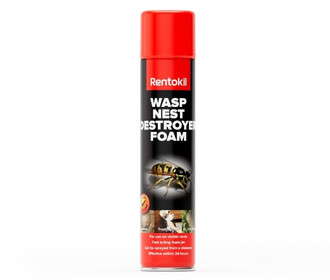
If a nest is discovered early enough in spring, removal using DIY wasp products may be possible, if the nest is within easy reach but the danger from stings still remain.
A wasp nest is more than just a nuisance; it is a defensive stronghold. If disturbed, wasps can attack in large numbers, posing a significant risk to your family, pets or customers and residents. The most effective strategy is to address the nest early in the season. By treating the problem before the wasp population booms and aggression levels rise, you significantly reduce the risk of stings and ensure a faster, more cost-effective resolution.
We provide safe, discreet, and highly effective solutions to eliminate wasp threats quickly and professionally:
Don't wait for the problem to grow. Let our experts handle the risk so you can enjoy your outdoor space safely.
Find your local branch
Please try again...The Short Answer: Yes, but primarily in a defensive reaction.
While wasps do not hunt people, they are highly protective of their nests. Waasp stings are painful and, unlike bees, they can sting multiple times. For the general population, a sting causes localised pain and swelling; however, for those with hymenoptera venom allergy (HVA) a reaction to bee, wasp or ant stings , a sting can trigger life-threatening anaphylaxis.
Wasps have a sensitive sense of smell. Research suggests they may be repelled by strong, pungent odours and essential oils like peppermint, eucalyptus, and menthol. Planting "deterrent" herbs like citronella, thyme, and spearmint around seating areas might also help discourage them from hovering nearby.
The Short Answer: Late summer and early autumn.
In spring and early summer, wasps are busy collecting protein (insects) to feed their larvae, which in return reward them with a sugar like substance. However, by August and September, the larvae are gone, and the workers lose their steady sugar supply. Hungry and "unemployed," they seek out fermented fruit and sugary drinks. This dietary shift, combined with declining temperatures, makes them much more irritable, aggressive and prone to stinging.
ONLY if they pose a direct risk to people. Wasps are actually beneficial to the environment; they are natural pest controllers that eat aphids and caterpillars, and they even contribute to pollination. If a nest is at the bottom of a large garden, it is often best left alone. However, if a nest is located near an entrance, in an attic, around a children's play area, or anywhere it may cause conflict with people, professional wasp nest removal is recommended to prevent accidental disturbance and potential injury.