
Call to Book a Survey +448083018423 or Contact Us Online
Damp Proofing Specialists - Rentokil Property Care
Damp and mould problems affect thousands of properties across the country every year, and the signs of damp can depend on the type of damp causing the problem. If the wrong treatment is carried out because the source of damp has been incorrectly diagnosed, this will not stop the root cause of your issues.
This is why it is important to accurately diagnose the type of damp affecting your property, and this can sometimes be done by identifying telltale signs that indicate the source of the problem.
We have put together a guide to help you identify damp in your property, and if you require specialist advice from a qualified professional, Rentokil Property Care is here to help. Sometimes it can be complex to understand where the damp is coming from, so you may need a professional surveyor who can carry out a damp and timber survey.
Rentokil Property Care have a number of CSRT and CSTDB qualified surveyors who are experts in identifying different types of damp, and will provide you with detailed recommendations for treatments, if required. We are Property Care Association Members and have a number of branches across the United Kingdom, meaning we have qualified and experienced surveyors and technicians local to you.
What is Damp and how is it Caused?
The first question to answer is what is damp and how does it occur in properties? Damp is a build up of excess moisture, often inside a property, which can be caused by several differing sources - from both outside the property and inside the property. Some types of damp only occur outside and this is often due to failures in guttering, downpipes or drains.
The most common form of damp that affects as many as one in five properties in the United Kingdom every year is condensation - which in turn leads to mould growth. Condensation is caused by excess moisture production within the property from day to day activities such as washing, cleaning and cooking. Condensation tends to occur during the colder months, and can lead to mould growth if not dealt with properly.
Sometimes damp can be caused from moisture outside seeping into the property, and this is known as penetrating damp. This is usually caused by driving rain, building defects such as defective roof tiles, damaged or blocked guttering, defective renders or blocked drains.
Moisture is also able to rise upwards through walls through capillary action, this is known as rising damp. This is why most properties have a damp proof course (DPC) installed to create a waterproof barrier, in order to prevent this from happening. If there is no DPC, rising damp causes moisture to rise upwards through the pores in masonry and can lead to damp patches on ground floor walls, up to a metre above skirting board level, usually accompanied with salty deposits. Rising damp can also cause salt damp, which occurs when hygroscopic salts trapped in the plaster pull moisture out of the air.
All damp problems have similar symptoms including musty smells, visible damp patches that are wet to the touch and the deterioration of wall surfaces. Damp can also lead to further issues, such as fungal decay.
The damp problem affecting a property is also influenced by construction types. A solid wall property is connected outside to inside by the masonry and penetrating damp or condensation will be common. More 'modern' cavity wall properties should not suffer from penetrating damp, as the cavity is designed to let this water run away to the footings.
Common Signs of Damp
Damp problems will vary from property to property, and will differ in appearance and severity. The construction type of the property will also influence the type of damp.
Noticeable signs of damp include the following:
- Wet and damaged plaster
- Wallpaper peeling from the wall
- Musty and mouldy odours
- Black mould on the walls and ceilings or around windowsills.
- Damp tidemarks above skirting boards at ground floor level
- Walls that feel damp to the touch.
- Rotten skirting boards
- Weakened floorboards
If you notice signs of damp you may require a damp and timber survey from a trained professional who can provide you with answers on what is causing the problem.
Types of Damp
Whether on the ground floor, upstairs or even in the basement of your property, excess moisture and damp walls in your house will usually occur as a result of three main problems: rising damp, penetrating damp and condensation.
Without the right amount of experience and training it can be difficult to differentiate the signs of each problem. It is vitally important to recognise the difference though as each requires different treatments to resolve.
How to Identify Penetrating Damp
Building defects, wind driven rain and properties where regular ongoing maintenance is not undertaken can lead to penetrating dampness. When water is able to pool around the fabric of your property it can penetrate into the walls and ceilings, leading to damp problems and even fungal decay.
Signs of Penetrating Damp:
- External damp patches matching those inside the property
- Damaged wallpaper and plaster high on walls
- Plaster showing signs of bubbling and wallpaper stripping from the wall
- Localised damp patches at various heights on the wall and ceiling
- Damage or cracks to the external wall of the house, pebbledash or render
- Damp patches around guttering outside the property
- Missing mortar and damaged brickwork
- Rotten timber
Penetrating damp can affect walls and ceilings on any floor within the property. If external damp patches match those inside the property, this indicates that there is a building defect causing penetrating damp.

How to Identify Condensation
Condensation is the most common form of damp that affects properties in the United Kingdom, and unlike other forms of damp is typically caused by moisture created within the property from everyday activities.
It is more likely to occur during winter and is more common in solid wall constructed properties on north facing walls as these rooms tend to be colder.
Condensation occurs when there is an excessive amount of humidity within a property, but not enough ventilation to let the moisture within the air to escape. This then causes the moisture to condense on cold surfaces, often in areas with a lack of ventilation, like behind furniture, on bay windows or around windows.
Signs of Condensation
- Excess moisture appearing on any cold surface like windows, tiles and cold walls
- Increased humidity levels
- Walls that are wet and cold when touched
- Mould growth behind furniture, around window frames or walls
- Stained walls and ceilings
- A lingering musty smell
Condensation is caused by a lack of ventilation meaning excessive moisture in the property cannot escape. Cold outside walls create a cold bridge that allows condensation to form and ultimately mould growth to occur.
How to identify a Mould Problem
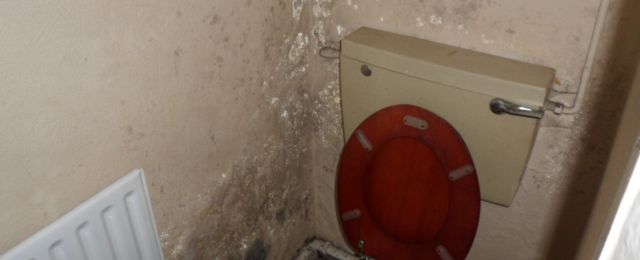
Mould will form if there is a severe enough condensation problem, and will lead to damaged wallpaper and wall surfaces and stained window frames, furniture and clothing. It will grow in areas with a lack of ventilation, so is common behind furniture, especially in bay windows, or in cupboards.
By addressing the condensation problem you will help prevent black mould from forming. This can include increasing ventilation by using extractor fans when cooking in the kitchen or showering in bathrooms, or by increasing the thermal temperature of cold surfaces.
A professional damp and timber survey can provide you with answers on how to prevent mould growth long term.
How to Identify Rising Damp
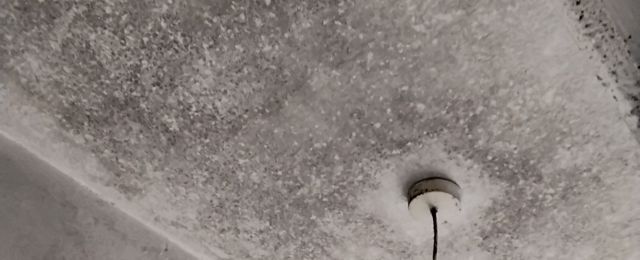
Rising damp is caused by moisture rising upwards through ground floor walls, and will leave damp patches that look like tidemarks, and salty deposits on walls. Homes are usually built with a damp proof course which protects against rising damp, so if a damp proof course has become defective, or is completely absent, you are at risk of rising damp.
Signs of Rising Damp
- A tide line of yellow or brown stains on plaster on ground floor walls
- Damp patches or salt deposits up to a metre above skirting board level
- Plasterwork becoming degraded or damaged
- Moisture can often lead to paint and wallpaper peeling off.
- A white powder-like substance can be left when the ground water evaporates, leaving the water soluble salts behind on the surface.
- Rotting skirting boards
Rising damp is rarer than people assume, and is often mistaken for other forms of damp. This means that accurate diagnosis is key, otherwise the wrong form of damp proofing may be carried out.
This is why it is essential to have a trained professional to carry out a damp and timber survey, in order to fully understand whether or not it is rising damp that is affecting your property.
Damp on Concrete Floors
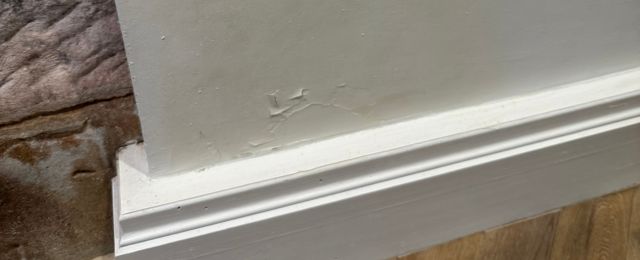
Sometimes damp patches can appear on concrete floors as moisture rises up through the ground, through the capillaries of the concrete. Typically concrete floors are designed and installed with a damp proof membrane covering the floor and connected into the damp proof course, creating a seamless waterproof barrier throughout the ground floor of the property.
However not all properties are built to modern standards, or due to poor workmanship may not have a damp proof membrane, meaning there is no barrier to prevent moisture rising upwards through the concrete through capillary action.
This will lead to damp forming on the surface of concrete, and will damage carpets and laminate floors. If skirting boards are in contact with damp concrete it can also cause them to decay. You may require a professional survey to fully investigate this issue, and provide recommendations.
The Effects of Damp on Houses
When a property suffers from damp it can lead to structural issues affecting both timber and masonry.
When exposed to moisture, timber can decay and weaken. This is sometimes noticeable when floorboards feel bouncy as joist ends become rotten. It can affect structural timber across a property, depending on the type of damp and the extent of the fungal decay. Wet rot will be isolated at the source of moisture, whereas dry rot is capable of spreading in search of new timber to decay.
Increased moisture can also lead to other associated problems affecting timber, such as woodworm. Over time woodworm can significantly weaken timber, so it is best to catch an infestation early before costly repairs are required.
Wind driven rain and penetrating damp from building defects can also have a detrimental effect on masonry walls. Moisture can cause mortar to deteriorate and as it freezes can cause spalling of brickwork. Over time this can magnify the extent of the damp problem, causing further issues inside the property. If the property is of cavity wall construction, this can expose wall ties to excess moisture, which can lead to corrosion and ultimately wall tie failure.
Structural issues aside, damp can also aggravate existing health problems. Excess moisture inside a property and mould growth create an unpleasant condition for occupants, and can lead to issues for those with respiratory problems and certain allergies.
A damp and timber survey should be carried out by a trained professional who can provide advice and recommendations for these problems when inspecting a property. They will inspect the exterior and interior of a property in order to find any defects that are causing a damp problem, while inspecting timbers for any signs of decay.
Accurate Diagnosis from Damp Specialists
For many homeowners damp can be a worrying occurrence and getting professional advice from a qualified surveyor can help provide answers. Rentokil Property Care have a number of CSRT and CSTDB qualified surveyors who can carry out a damp and timber survey to fully understand your problem.
They will carry out a thorough inspection and identify any issues they find, both outside and inside the property. The surveyor will use a range of techniques to investigate the damp problem, aided by tools and equipment to support any diagnosis. They will investigate any other related issues such as structural defects, timber decay and woodworm.
All findings will be detailed in a survey report, outlining all their findings during the inspection, along with any recommendations that need to be carried out. The survey report will be in an easy to understand format, and any costs for treatments will be provided, as well as details of long term guarantees, if applicable.
How to get rid of Damp in your house?
The first step to getting rid of damp is diagnosing it properly. Once you fully understand the problem at hand you can then go ahead with a solution. Its worth noting that when damp is left untreated it can lead to further deterioration of plaster, structural issues and even timber decay - and applying the wrong treatment through incorrect diagnosis will only lead to more problems and expense.
This is why Rentokil Property Care will send a qualified and experienced surveyor to your property to investigate, before we recommend any treatments.
If a problem is found, you can either go ahead with our professional treatments, or attempt a DIY solution. For some problems it is possible to carry out simple DIY fixes, or making everyday changes such as fixing guttering or unblocking backed up drains for penetrating damp, while for condensation improvements to ventilation can also help solve the problem.
For other more specialist work it is often recommended to go ahead with a specialist, who can fix the problem and often provide a long term guarantee.
Dealing with Damp yourself
Although it is advisable to have a qualified and experienced surveyor fully assess the problem to give you answers, some types of damp can be prevented by regular maintenance, and mindful changes to everyday living.
Repairing gutters and downpipes that are leaking or clogged can prevent water from penetrating the brickwork. Addressing leaking appliances and fixing damaged roof tiles will also help stop common causes of damp.
To get rid of condensation and mould problems, your house may need improvements to ventilation, and this can be as simple as opening windows and cleaning out airbricks. Extractor fans should be used when cooking and washing, while you should try your best to dry clothes outside, instead of on radiators.
Even though a DIY solution can be a cheaper alternative, it does run the risk of something being missed, leading to future problems and the obvious disadvantage of having no guarantee.
Why Choose Rentokil Property Care to help Identify Damp?
If you think you have a damp problem in your property, you want to trust the company you are working with will get it right the first time. If you have any signs of damp in your property and want a thorough inspection from a qualified professional, get in touch with Rentokil Property Care.
Rentokil Property Care has been working in peoples homes and businesses for over 70 years, correctly identifying property issues and providing long term solutions.
PCA approved: Rentokil Property Care are a proud member of the PCA and have a range of CSTDB, CSRT and CSSW qualified surveyors operating out of our local branch.
Which? Trusted Trader: We are endorsed by Which? Trusted Trader - meaning our customer service and workmanship has passed the rigorous trading standards assessments.
Trustpilot: Our damp proofing, structural repairs and timber treatments are rated ‘Excellent’ with over 1,000 reviews from our customers - showcasing our professionalism.
Long Term Commitment: From our origins in the 1920’s to the present day, we have outlived our guarantees several times over. This means you can have complete peace of mind from a Rentokil Property Care guarantee - up to 30 years for some of our services.


