
Call to Book a Survey +448083018423 or Contact Us Online
Wet Rot Treatment Specialists
Wet rot is a type of fungal decay which if left for long periods of time can cause timber to lose structural integrity. Often wet rot is hidden out of sight in places such as sub floor voids and roof spaces, and can require a professional to fully identify the extent of the problem, and this is done through a damp and timber survey.
Once a wet rot outbreak has been identified and confirmed, the moisture source causing the problem will need to be removed and wet rot treatments may be required to protect timbers inside the property long term.
Rentokil Property Care have a number of CSRT and CSTDB qualified surveyors who are
experts in wet rot identification, and will provide you with detailed recommendations for treatments, if required. We are Property Care Association Members and have a number of branches across the United Kingdom, meaning we have qualified and experienced surveyors and technicians local to you.
How to Prevent Wet Rot
Wet rot is a form of fungal decay that feeds on timber that has a moisture content between 50% and 60%. This is above what is known as fibre saturation point, so the entire wood cell structure is saturated.
As the fungi feeds on nutrients in the timber, it will ultimately lead to it losing its structural integrity. While less destructive than dry rot, which can spread rapidly throughout a property, wet rot can still cause severe damage, especially if left untreated.
As wet rot is dependent on moisture laden timber, by removing the source of moisture you can prevent the wet rot outbreak continuing, as the timbers start to dry. Timber that has been structurally compromised can then be cut back and replaced. You can often prevent wet rot occurring by fixing building defects that allow moisture to penetrate into a building, such as high ground levels, debris under floors, missing roofing felt, broken or missing tiles, damaged gutters or blocked drains.
Sometimes internal leaks from appliances or plumbing fixtures can provide a source of moisture for wet rot to occur, while leaking WC joints, overflowing baths or shower trays may also cause problems.
When timber is in contact with damp masonry, it can cause wet rot spores to germinate. Rising damp can lead to wet rot of joists, either when there is no damp proof course present, or an existing one has become defective or bridged. Timber in below ground spaces such as basements or cellars can also be affected. Damp below ground spaces and sub floor voids with a lack of ventilation are prime areas for wet rot growth to occur.
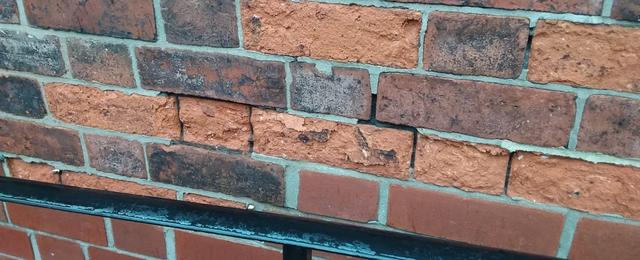
External defects can often provide a source of moisture for a wet rot outbreak inside a property.
Stopping the Source of Moisture
The most important step in stopping a wet rot outbreak, and preventing its return is to find and stop the source of moisture. Make sure that appliances like washing machines and dishwashers are not leaking, and there are no plumbing leaks, or problems with radiators.
If there is a structural damp problem, you may require elements of damp proofing. Rising damp can cause damp masonry, and a remedial damp proof course may be required. Penetrating damp caused by high ground levels may also need to be addressed with damp proofing.
A condensation problem can cause wet rot, particularly in window frames and skirting, as the water runs down surfaces and pools on the timber below. In the case of MDF sills and skirtings, this causes the wood fibre to swell and crack. A wet rot problem will typically require improvements to ventilation in the property, and can involve the installation of airbricks in sub floor voids, extractor fans in bathrooms and kitchens or PIV units.
If a confirmed damp problem is identified during a damp and timber survey of the property, this will be detailed in the survey report, along with recommendations for long term solutions.
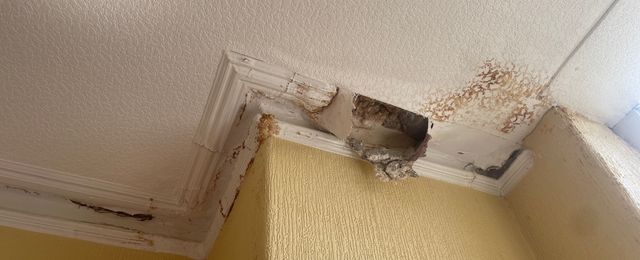
By removing the source of moisture, you can prevent the wet rot problem from returning. In some cases this may require a thorough investigation of a property.
Wet Rot Treatment Process
The first step is to understand the extent of the issue, and this is done through a professional damp and timber survey carried out by a CSRT or CSTDB qualified surveyor. They will undertake an investigation of your property, and will identify the source of damp causing the fungal decay outbreak, check the condition of timber and the extent of any decay.
This is crucial as wet rot is often hidden beneath floorboards in the sub floor void, behind panelling or in roof spaces.
If a surveyor identifies wet rot during their survey of your property, and you wish to go ahead, our experienced technicians will carry out remedial treatments to remove the wet rot and prevent its return.
The first step is to remove the source of moisture that is causing the wet rot outbreak. This can be done by either fixing the building defect, carrying out damp proofing for rising damp or penetrating damp, or by increasing ventilation to stop condensation forming. For severe wet rot outbreaks where timber has lost its structural integrity, sections of timber will need to be cut back and replaced.
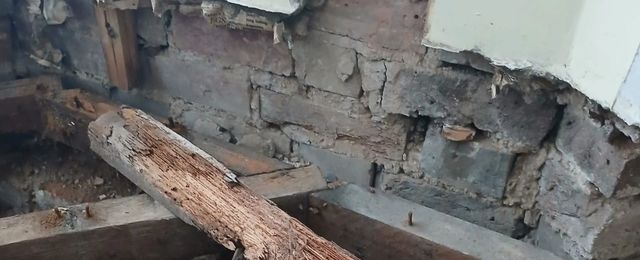
Damaged timber that has lost structural integrity is cut back and removed.
Not all timbers may need to be replaced, where timber still has its strength it may require an application of fungicidal treatment. This will kill any existing wet rot spores, protecting the timber long term.
For large structural timbers such as beams, or for historic buildings where the original timber has been partially damaged, timber resin repair techniques may be required. This technique means that the whole length does not need to be replaced, as a new section of timber is bonded to the existing timber, before being fixed into place using mechanical fixings and epoxy resins.
This approach is preferred by listed building professionals as the maximum amount of original timber is retained.
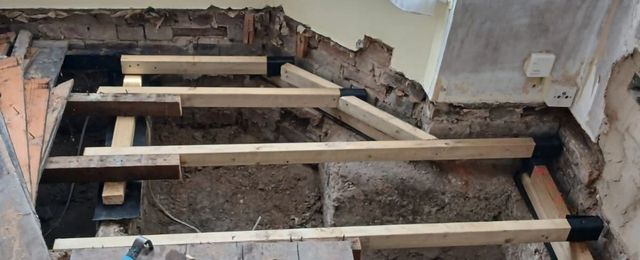
Once cut back to sound timber, sections can then be replaced. Where in contact with masonry, beam and joist ends will be wrapped in order to protect them from moisture transmission.
Finally where required, floorboards will be relaid. If skirting boards have been compromised they will also need to be replaced.
We have local technicians who are skilled in joinery and will carry out repairs to the highest industry standards. They will talk you through the process from start to finish, while ensuring that you face minimal disruption. Our technicians are equipped with protective floor coverings, Hilti dust extraction units and vacuums in order to keep your property clean and tidy.
Once all the work has been completed, and if applicable, the long term guarantee will then be provided, giving you peace of mind your property is protected long term.
Long Term Guarantee
From our origins in the 1920’s to the present day, Rentokil Property Care have outlived our guarantees several times over. This gives you the peace of mind that comes with a long term solution, carried out by professionals.
Our wet rot treatment services typically come with a 30-year guarantee. Details of the guarantee will be provided in the survey report, and once provided can be transferred to future homeowners, should you choose to move in the future.
What happens if Wet Rot is left untreated?
Wet rot can often lead to severe problems if left untreated, or in some cases, ignored. Once a constant source of moisture is provided, wet rot can destroy wood and weaken structural timbers, with joists and beams in contact with masonry especially vulnerable. This can lead to floorboards feeling weak and springy, and can even lead to collapse.
Roof timbers where building defects have allowed water to pool can cause severe damage which could require repairs to rafters and trusses. This can be very costly if left untreated, while the roof could partially collapse causing a serious safety hazard to occupants.
It is highly recommended that you seek advice from a professional as soon as you notice fungal decay damage to structural timbers in your property.
Can I Treat Wet Rot Myself?
For isolated wet rot problems, it may be possible for those with an understanding of DIY to carry out repairs themselves. However, if the source of moisture is not addressed, or the treatment is carried out incorrectly, it could lead to further issues in the future.
It's crucial to address the underlying moisture issue and remove the infected timber, if decayed, which is a challenging and skilled job, especially when structural timbers are compromised.
Professional treatment ensures that the full extent of the problem is fixed, while the source of moisture is addressed. This provides long lasting results that are typically backed by a long term guarantee.
What Does Wet Rot Treatment Cost?
The costs of wet rot treatments will depend on the extent of the damage and the type of timber affected. The complexity and extent of repairs can vary hugely, especially if structural timbers such as joists or lintels are affected or if damp proofing is required.
A professional survey is often required to fully assess and understand the problem, especially in hard to reach areas like sub floor voids.
Why Rentokil Property Care?
Rentokil Property Care has been working in peoples homes and businesses for over 70 years, correctly identifying property issues and providing long term solutions.
We are experts in property preservation, and can provide you with personalised advice for wet rot problems affecting your property.
PCA approved: Rentokil Property Care are a proud founder member of the PCA and have a range of CSTDB, CSRT and CSSW qualified surveyors operating out of our network of local branches.
Which? Trusted Trader: We are endorsed by Which? Trusted Trader - meaning our customer service and workmanship has passed the rigorous trading standards assessments.
Trustpilot: Our damp proofing, structural repairs and timber treatments are rated ‘Excellent’ with over 1,000 reviews from our customers - showcasing our professionalism.
Long Term Commitment: From our origins in the 1920’s to the present day, we have outlived our guarantees several times over. This means you can have complete peace of mind from a Rentokil Property Care guarantee - up to 30 years for some of our services.


