
Call to Book a Survey +448083018423 or Contact Us Online
Health Risks Associated with Black Mould
Black mould is a common problem that affects thousands of homes every year across the United Kingdom. Lack of ventilation, stale air, cold and damp all contribute to the conditions required for mould growth, and will have an impact upon the health of occupants. Mould in homes creates an unpleasant environment and can damage and stain walls and surfaces, clothing and furnishings throughout the home.
More worryingly however, people living with black mould are more likely to suffer from respiratory problems, allergies and asthma. Black mould exposure can also cause a range of symptoms, meaning that it is essential to remove the problem through treatments that work long term.
Black mould is a term most people use, however not all mould is black, it can also be green, brown, red, yellow, grey or white. All can cause health issues for some susceptible people. Each type produces spores to a greater or lesser degree based on the growth conditions present.
Rentokil Property Care have been providing advice and specialist solutions for damp and mould problems in homes for decades. We can provide treatments to address the root cause of the black mould problem.
Sometimes a minor black mould problem can be fixed with DIY options, while other properties may require professional chemical cleans, ventilation improvements and treatments to increase the thermal efficiency of a property. A damp survey carried out by a CSRT or CSTDB qualified professional surveyor can help provide you with answers if you are concerned about black mould in your property.
Is Black Mould Harmful?
Studies have shown that exposure to all damp and mould can cause health risks to occupants, and conditions created by a damp problem can also cause an internal environment with low air quality.
UK Government Legislation identifies damp and mould as a ‘category one’ hazard, while Awaab’s Law and the Social Housing (Regulation) Act was introduced after the tragic death of Awaab Ishak in December 2020 from a severe respiratory infection caused by prolonged exposure to damp and mould in his home.
Damp and mould within the home can produce allergens, irritants, mould spores and other toxins that are harmful to health (The World Health Organisation).
A damp internal environment can be unpleasant to live in, while moist stale air caused by a lack of ventilation may contain mould spores and other irritants. Dust produced by the breakdown of dust mite faeces is highly allergenic while volatile organic compounds from cleaning products, hair spray, deodorants and even scented candles can also impact the air quality for occupants.
While exposure to black mould does not mean that everyone in contact will develop health issues, it does mean that long-term exposure to black mould spores can make you more susceptible to health-related issues.
If you experience any signs of ill health and you suspect mould might be the cause then we would always recommend speaking to a health professional for advice.
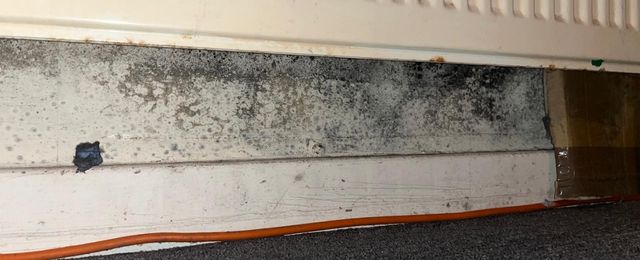
Black mould can cause health problems to occupants, especially if the problem is left untreated over a long period of time.
Health Risks Associated with Black Mould
The longer a damp and mould problem is left untreated, the more likely there are to be health impacts for those living inside the property.
Because most people will come into contact with damp and mould conditions by breathing, mould and volatile components will typically affect the airways and lungs, but can cause irritation to eyes and skin. Unpleasant conditions also have impacts to mental health for occupants of damp properties, especially if belongings and furnishings are damaged (Understanding and addressing the health risks of damp and mould in the home).
Children and older adults are at a greater risk of more severe health implications, along with people with a pre-existing health condition and underlying health issues. This includes asthma, allergies and those who have a weakened immune system.
While symptoms range from sore eyes to coughing and sneezing, difficulty breathing and in some cases conditions can trigger asthma attacks.
What are the signs of getting sick from Black Mould?
People living with mould and the conditions mould grows in are more likely to suffer from problems such as respiratory illnesses, infections, allergies or asthma, there are also other common symptoms of exposure:
- Runny nose
- Congestion
- Headaches or migraines
- Sneezing
- Coughing
- Breathlessness
- Sore throat
- Nausea
- Irritated eyes (red, bloodshot, itchy or watery)
- Skin rashes and itching
Condensation, damp and mould growth tend to occur during the colder winter months, so symptoms may appear similar to seasonal colds, or hay fever.
How Much Black Mould is Dangerous?
Condensation is the main cause of black mould in homes across the UK, affecting as many as one in five every year. While small specks of black mould on a window may be common, if the problem worsens this may indicate an imbalance in the internal environment. Condensation is normally caused by an excessive amount of humid air trapped inside the home without ventilation to remove it. This means the moisture will circulate throughout the property and condense on cold surfaces, like walls, around windows and ceilings. These damp surfaces give black mould spores the perfect environment to germinate and grow.
If a property has a serious condensation problem it can mean there is an environment with low air quality - and can mean that even if visible mould is not present, the cold damp air alone can increase the risk of health problems.
Excessive moisture can promote the growth of microorganisms such as mould and other fungi, dust mites and bacteria. A black mould problem will get worse over time if left untreated, so it is important when you spot signs of black mould to take action immediately. If the black mould problem in your home is not remedied by DIY solutions or by increasing ventilation, you may require professional assistance aimed at the root cause of the problem.
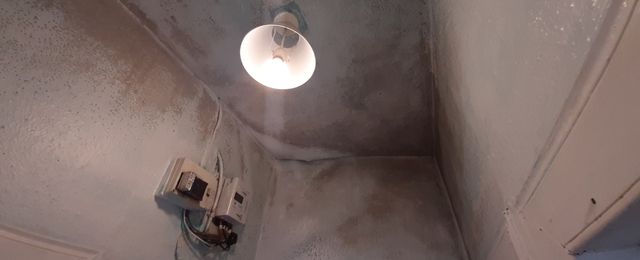
A severe black mould problem must be addressed as soon as possible and may require professional treatments
Can you live with Black Mould in your house?
Many homes every year are affected by black mould caused by condensation, and while it is important to deal with the problem as soon as you notice it, often changes to the way moisture is produced in the home and improvements to ventilation can help solve the problem. While some occupants will be able to wipe away specks of black mould around the window frames or in the bathroom, for others with a severe problem, professional help may be required.
If a black mould problem is affecting numerous surfaces, and returning despite efforts to remove the problem, this could mean that there is a severe imbalance inside the property and professional help may be required. Long term exposure can lead to adverse health problems, especially in those with existing or underlying health conditions, the young and the elderly. This is why it is important to deal with the problem as soon as possible.
For those in social housing, as part of Awaab’s Law, landlords now have to address damp and mould hazards within fixed timescales - indicating the seriousness of living in damp and mouldy conditions. Rentokil Property Care can work with homeowners, private landlords and social housing providers in order to provide expert advice and assistance for problems relating to damp, condensation and black mould.
Government legislation around Damp and Mould
Legislation in the UK identifies damp and mould as a ‘category one’ hazard under the guidance within the HHSRS system, while Awaab’s Law and the Social Housing (Regulation) Act was introduced after the tragic death of Awaab Ishak in December 2020 from a severe respiratory infection caused by prolonged exposure to damp and mould in his home. This legislation highlights the risks associated with damp and mould problems in homes in the UK, and the need for advice and solutions from qualified professionals within strict time frames.
One of the biggest changes that affected the way landlords must deal with condensation and mould was the The English Housing Ombudsman Service report into damp and mould published in October 2021 which emphasised the responsibility to deal with problems affecting tenants. The report stated that the word ‘lifestyle’ should not be used when describing the reasons for condensation issues - in reality this meant that the underlying ventilation and thermal problems causing condensation and mould must be addressed by landlords, rather than pinning blame on tenants.
After the death of Awaab Ishak in December 2020 from a severe respiratory infection caused by prolonged exposure to damp and mould, the Government passed the Social Housing (Regulation) Act 2023. This was aimed at dealing with the conditions affecting the social housing sector, giving tenants the power to hold landlords accountable for the poor conditions of social housing, including for damp and mould problems. This will be applied to the private rental sector as part of the Renters' Rights Bill.
It is clear that damp and mould problems are categorised as potential health hazards, meaning that prompt action must be taken, and they cannot be treated as minor maintenance issues, or disregarded entirely anymore. This showcases the severity of black mould and damp conditions that homes in the United Kingdom face, and why action should be taken as soon as you are aware of a problem in your home, or the property you manage.
What should you do if you have Black Mould on your walls?
The first step is understanding what is causing the issue, although condensation is the most common cause of black mould, sometimes it can occur because of plumbing issues such as leaking pipes or appliances. Penetrating damp can also cause black mould to form.
The most common way black mould forms is from humid air being trapped inside the home, because of a lack of ventilation. Everyday activities from bathing, drying clothes, washing and even breathing contribute to moisture in the atmosphere. When water vapour is unable to escape it will condense on cool surfaces.
You must first understand the root cause of the problem to prevent it long term, as different sources of moisture may require different treatments, including improvements to ventilation and removing cold spots.
For minor and isolated patches of black mould, wiping them away may work. For many however, black mould can be a much more extensive problem, and will require efforts to reduce the amount of moisture being produced. Ventilation may also need to be increased, by using extractor fans, opening window trickle vents or installing PIV units. If the problem persists, you may require professional help. A CSRT or CSTDB qualified surveyor from Rentokil Property Care can provide you with answers on why you have black mould forming in your property, and can offer advice and treatment options for a long term solution.
Why Rentokil Property Care?
We provide help to homeowners, social housing providers and commercial clients across the country solutions for condensation and black mould issues. Starting with a damp survey, Rentokil Property Care will be able to provide you with the peace of mind that comes with professional help.
Our CSRT and CSTDB qualified surveyors will take the time to thoroughly investigate your property, while using a range of methods and specialist tools to identify the root cause of the problem. This will include the use of thermal imaging cameras to identify cold spots, checking the ventilation requirements, and will provide you with guidance to effectively control excessive moisture.
All findings will be detailed in an easy to read survey report, along with recommendations for treatments where necessary. This may include professional mould cleans, thermal improvements to walls, increased ventilation or insulation top ups.
PCA approved: Rentokil Property Care are a proud founder member of the PCA and have a range of CSTDB, CSRT and CSSW qualified surveyors operating out of our network of local branches.
Which? Trusted Trader: We are endorsed by Which? Trusted Trader - meaning our customer service and workmanship has passed the rigorous trading standards assessments.
Trustpilot: Our damp proofing, structural repairs and timber treatments are rated ‘Excellent’ with over 1,000 reviews from our customers - showcasing our professionalism.
Long Term Commitment: From our origins in the 1920’s to the present day, we have outlived our guarantees several times over. This means you can have complete peace of mind from a Rentokil Property Care guarantee - up to 30 years for some of our services.


