
Call to Book a Survey +448083018423 or Contact Us Online
Lintel Repair Specialists
If cracks are forming above doors and windows it could be a sign of lintel failure or incorrect installation of the lintel, and may require specialist repairs. Often lintels can be repaired and strengthened using specialist techniques, but in some cases the whole lintel may need to be replaced. This will prevent further damage in the future, and stop the cracks from getting worse.
If you require lintel repairs, Rentokil Property Care are specialists in structural repairs, with decades of experience in the property preservation industry.
Rentokil Property Care are approved installers of Helifix and Cintec structural products, have experienced surveyors who can carry out specialist structural repair surveys, and can work closely with structural engineers where required.
What is a Lintel and What Does it Do?
A lintel is a horizontal beam that is typically above a windows, door or other openings and is used to support the weight of the masonry above by transferring the weight of the load above to the surrounding walls. For this to work correctly, the lintel must fully span the opening and bear on the brickwork either side a minimum 150mm (6 inches).
Without a functioning lintel the weight of the wall would rest directly on the window or door frame, this and not fully spanning the opening, is a common cause of failure over time. Lintels are typically made from timber, but more modern properties may have lintels constructed from steel or concrete.
What Causes Cracks above Windows and Doors?
Lintel failure is the main cause of cracks directly above windows and doors, and lintels can fail and lose their structural integrity in different ways.
-
Deterioration over time: - Older properties often have lintels built using stone or timber which can deteriorate when exposed to adverse weather conditions.
-
Timber decay and woodworm infestations: - Lintels built using timber are susceptible to issues such as wet rot, dry rot and woodworm infestations. When timber is exposed to moisture, fungal decay can form, which leads to timber losing its structural integrity as it cracks, shrinks and becomes spongy and soft.
-
No load bearing lintel being installed: - Often properties were built without loadbearing lintels which can cause cracking in masonry above where a lintel should be. One of the most common causes is when masonry was supported by steel and timber window frames, which have subsequently been removed and replaced with uPVC windows.
Because the newly installed uPVC window is made from a lighter, non-loadbearing material it is no longer capable of carrying the same weight from above. This means there is pressure put onto the window frame, which can cause it to bend and warp over time, and ultimately fail.
Soldier courses above windows are a decorative feature rather than being load bearing, so often when installing new windows these need to be strengthened in order to prevent structural issues.
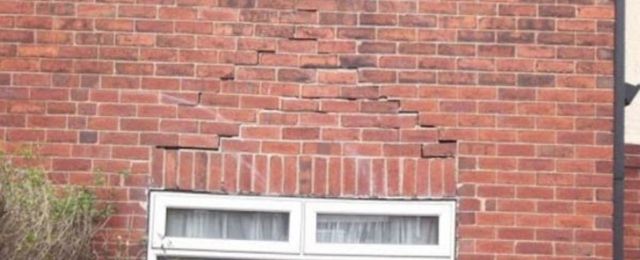
Soldier courses above windows are not loadbearing, so can often fail and cause horizontal cracking above, as well as bending of the replacement window below.
What Happens when a Lintel Fails?
When a lintel fails it can lead to severe structural problems. The most obvious sign of a problem above a door or window are diagonal cracks that do not extend past the width of the frame. This is known as horizontal cracking, and indicates that there is movement in the brickwork below.
This is commonly seen with the slumping of the lintel, or even the bending of the uPCV window frame. This can make windows or doors difficult to open and close properly.
These issues do not always require a structural engineer to inspect, but once you notice these problems it is essential that you address the problem as soon as possible. We can provide a survey to fully understand the extent of the problem, and provide you with recommendations for repairs. If a structural engineer is involved, we can provide repairs to the specification.
If not dealt with properly, the problem can get worse over time and could require a rebuild of the brickwork. Concrete lintels contain steel reinforcing rods. In rare cases water can cause rust in these rods and expansion forces the lintel to split.
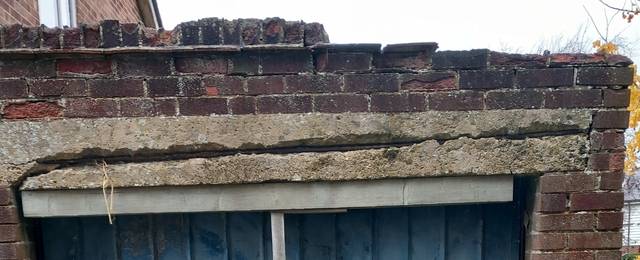
The reinforcement rod inside the lintel has rusted, causing lintel failure.
Lintel Failure Signs
Signs you may require lintel repairs include:
- Diagonal or horizontal cracking above windows and doors
- Cracks in the mortar joints
- Sticking doors or windows that are unable to open and close properly
- Rust on metal lintels
- Sagging or bowing brickwork
- Visible gaps between the lintel and the brickwork and mortar joints above
- Internal cracks above openings
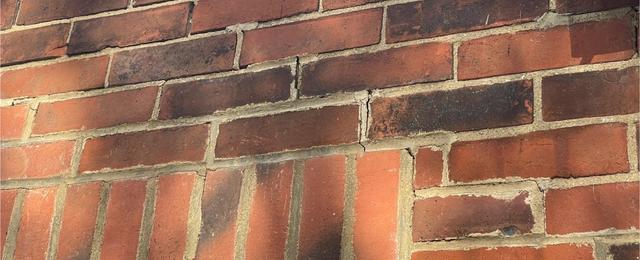
Horizontal or diagonal cracking above openings is one of the most common signs of lintel failure, and indicates that repairs are needed
Cracked Lintel
Sometimes the lintel itself can fail, with large cracks appearing in the span above doors, windows and other openings. When the lintel itself fails this indicates that there is excessive pressure on the lintel from the weight of masonry above, and it either needs to be strengthened or replaced altogether as soon as possible. Delaying could lead to further damage, both to the lintel and the brickwork above.
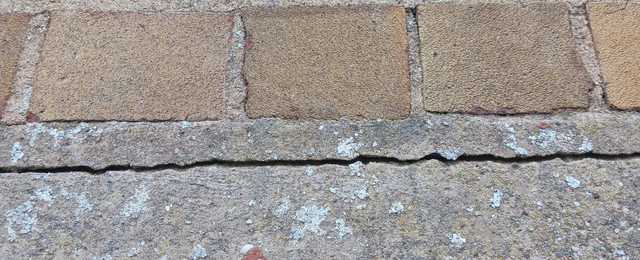
Cracks in the lintel indicated that it is no longer loadbearing and must be strengthened
How to fix a Failing Lintel?
There are two ways to fix a failing lintel - either replace the lintel or carry out structural reinforcement. An inspection by a Rentokil Property Care professional will help provide answers on the next steps, and repairs will be carried out with minimal disruption to the occupant.
Lintel Repair:
Using specialist methods it is possible to restore the structural integrity of some lintels, supporting the above masonry and preventing further cracking and damage to the property. Existing cracks can be secured using fixed metal ties, and repointed to blend in seamlessly with the existing masonry.
Timber Resin Repairs:
For timber lintels affected by woodworm or fungal decay, it is possible to cut out the damaged section and replace it with new timber, using a process known as timber resin splice. This is a popular method for historical or listed buildings looking to retain the original looks, with the new section often designed to sympathetically blend with the surrounding timber.
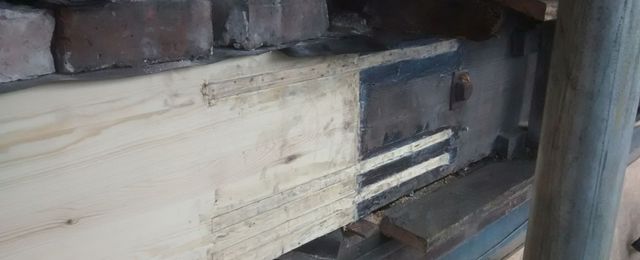
Damaged timber can be cut back and removed, before a new section of timber is installed using a timber resin splice.
Lintel Replacement:
In many cases, it is required to fully replace the lintel, because the timber has rotted completely, a concrete lintel has cracked beyond repair or a metal lintel has corroded due to water exposure. In some cases there is no existing lintel, so a new lintel must be installed.
Where required, Rentokil Property Care can install a new lintel in keeping with the building's design. Often lintel failure and structural damage are related to other building defects such as penetrating damp or timber decay and woodworm. A surveyor will carry out a full inspection of the property, detailing their findings in a survey report.
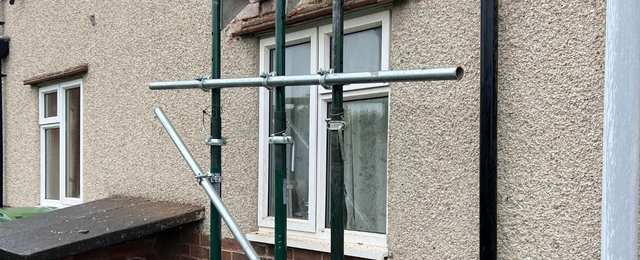
Our technicians can remove the failed lintel using specialist techniques with minimal disruption to the occupant.
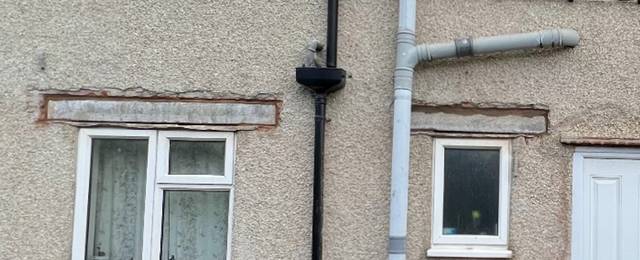
A new lintel can then be installed, providing adequate strength to support the weight of the masonry above.
Why Choose Rentokil Property Care?
When you require structural repairs for your property you want to trust the company you are working with will get it right the first time.
Our surveyor will take the time to fully investigate the issue, and you will receive a survey report outlining their findings along with a description of the repairs, if required.
Rentokil Property Care has been working in peoples homes and businesses for over 70 years, correctly identifying property issues and providing long term solutions.
PCA approved: Rentokil Property Care are a proud founder member of the PCA and have a range of CSTDB, CSRT and CSSW qualified surveyors operating out of our network of local branches. When you work with us you can be assured that you’re getting professional and honest advice and structural repairs that follow the industry best practice.
Helifix and Cintec approved installers: We are approved installers of both Helifix and Cintec systems, and have considerable experience of working with structural engineers across the UK.
Which? Trusted Trader: We are endorsed by Which? Trusted Trader - meaning our customer service and workmanship has passed the rigorous trading standards assessments.
Trustpilot: Our damp proofing, structural repairs and timber treatments are rated ‘Excellent’ with over 1,000 reviews from our customers - showcasing our professionalism.
Long Term Commitment: From our origins in the 1920’s to the present day, we have outlived our guarantees several times over. This means you can have complete peace of mind from a Rentokil Property Care guarantee - up to 30 years for some of our services.


