
Call to Book a Survey +448083018423 or Contact Us Online
Specialists in Structural Anchoring
Rentokil Property Care are specialists in structural anchoring and using grout sock anchor systems to help reinforce and strengthen various structures, historic buildings and properties.
We are approved installers of both Helifix and Cintec structural anchoring systems and have vast experience working with structural engineers in order to provide long term repairs.
From our network of local branches we have numerous surveyors and technicians with the experience and expertise to provide structural repairs, no matter the project.
What are Structural Anchoring Systems
Structural anchoring is a technique of using anchors to provide support and stability to existing structures, help repair damage and can even be used as an anchor for new components. A mechanical anchor can be inserted into a range of different masonry, before cementitious grout is injected into the sleeve, causing the sleeve to expand and bond with the surrounding masonry.
These systems are highly versatile and can be used for different purposes on a vast number of projects. The system is designed specifically for each project, and can be highly effective in historic properties or buildings or structures built using poor quality materials, random stone or rubble filled walls. The mechanical anchors come in various sizes and can be used for bridging cavities in walls and structures.
They are particularly useful for stabilising rubble filled walls, heavy duty and high load applications, masonry stabilisation, arch consolidation and lateral restraints. Depending on the end use, various attachments can be welded onto the anchor head to restrain items such as tram towers or cables.
What are Mechanical Sock Anchors?
A mechanical sock anchor is a stainless steel bar surrounded by a woven fabric mesh sleeve which has grout injected into it, once inserted into place. The cementitious grout is injected under pressure into the sleeve, causing the mesh to expand and bond with the surrounding substrate.
This secures the anchor in place, creating a structurally secure system that can be used to stabilise the wall or structure. These anchors are available in multiple lengths, so can stabilise the structure across a wall or from one wall to another across a building.
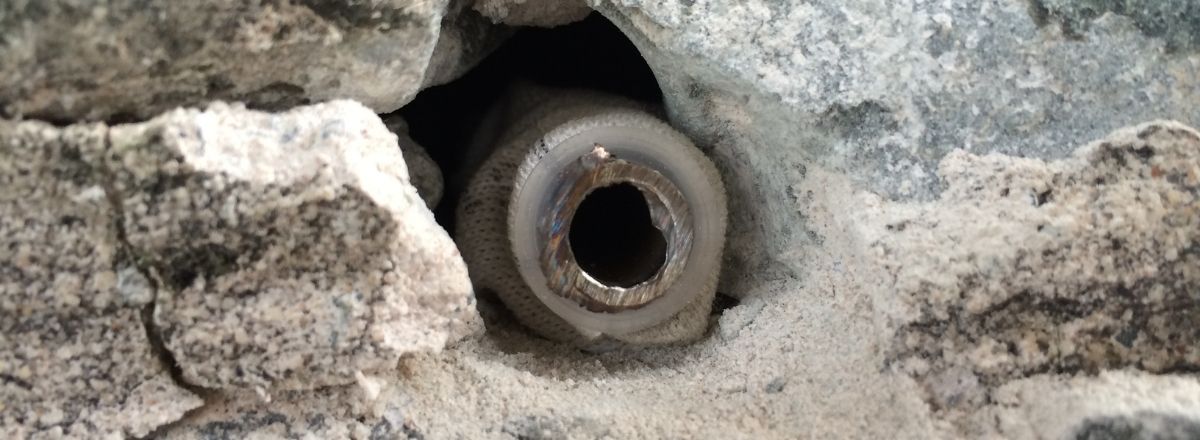
The sock anchor is inserted into the drilled out space, before cementitious grout is inserted, bonding the anchor in place.
Benefits of Structural Anchoring
Structural anchoring is a versatile system, and is purpose designed for each project. They can be installed in weak substrates, poor quality materials and for bridging cavities. Once installed they can be hidden from sight, making them useful for historic or listed properties. These systems are approved by many heritage authorities.
The anchoring system can be used on numerous materials, including stone, concrete, clay, terracotta and timber.
Typical Applications
- Stabilising masonry, including solid walls, cavity construction, hollow pot and rubble filled
- Used as lateral restraints
Replacement and supplementary wall ties - Crack stitching
- Stitching anchors for arch consolidation
- Stud anchors
- Parapet wall strengthening
- Retaining wall anchoring
- Anchoring of cables back to structures
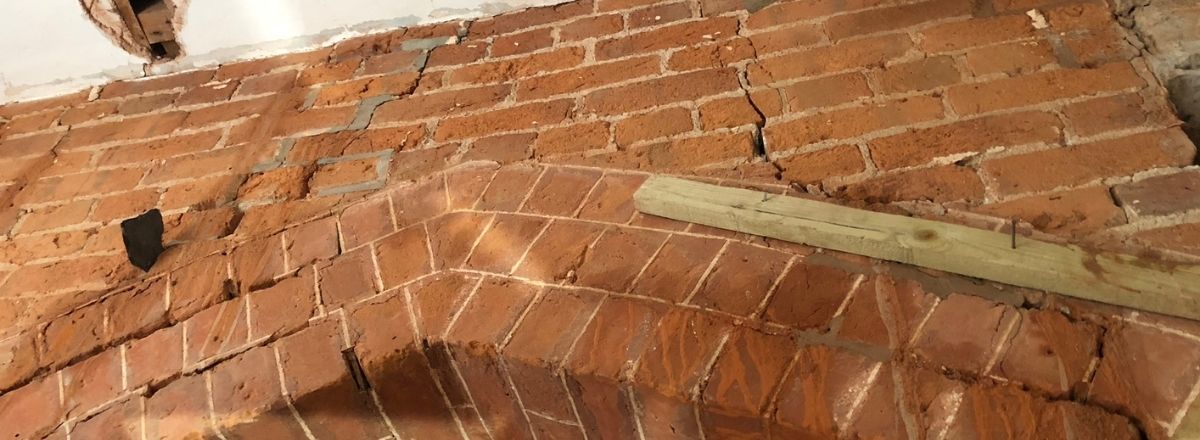
Structural anchoring can be used in various ways, including supporting and strengthening damaged walls and arches
Structural Anchoring Installation
The first step will be for a trained professional to carry out a survey of the premises in question in order to fully understand the extent of the issue, and the structural repairs required.
If structural anchoring is required, recommendations will be provided in a survey report.
The typical installation process involves:
- Installation holes are drilled into masonry using a wet diamond core drilling process, with extra coring bits added as required to achieve hole depth.
- Anchors come in various diameters and lengths, typically between 1 and 11 metres, but can be longer depending on the size and type of job.
- Once the holes are cut, the sock anchor is inserted into the cavity as cementitious grout is mixed, sieved and placed into a pressure pot, before being injected into the sock under pressure.
- This will fill the sock and expand into the surrounding cavity, before the grout hardens and bonds.
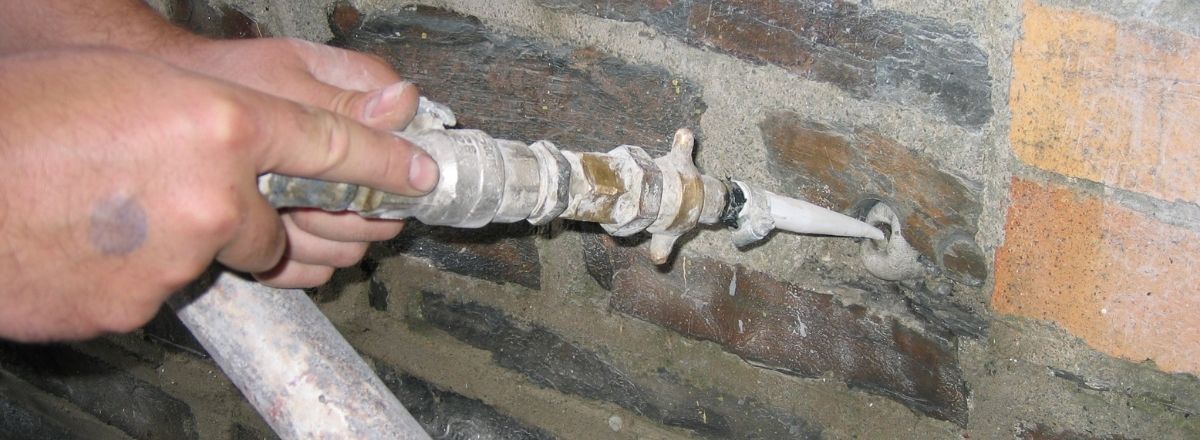
Grout is injected into the sock under pressure, causing the sock to expand in the cavity.
Where required threaded rods can be used to facilitate fixing attachments to the anchor head - for tie bar extensions or support brackets.
For historical or listed buildings, the drilling holes can be recovered with the displaced core, covering up the repair. This will make the repair almost invisible.

Structural anchors are versatile, and can be used for a range of purposes, including as lateral restraints through timber.
Approved Structural Anchoring Installers
Rentokil Property Care has vast experience in structural repairs and are approved installers of both Cintec and Helifix structural anchoring systems.
We work closely with manufacturers to provide expert quality repairs, while our surveyors carry out on-site inspections, attend specialist training and follow best practices.
As part of working with Helifix and as an approved Helifix contractor - we have completed Helifix’s rigorous approval and training process to fit all types of products, including Helifix ties and SockFix systems.
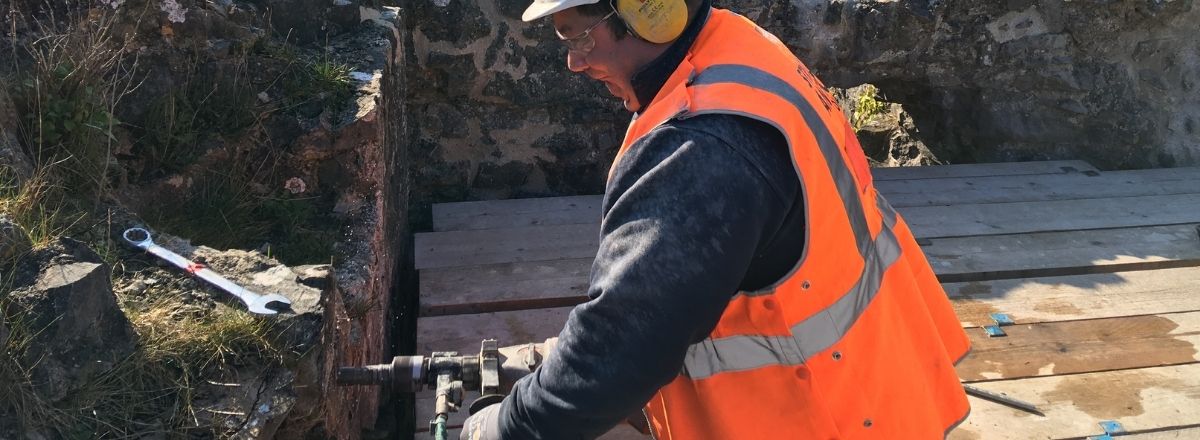
We have vast experience working on numerous projects across the United Kingdom, from domestic properties to commercial projects, bridge repairs and even strengthening the walls of historic buildings and castles.
Why Choose Rentokil Property Care?
When you require structural repairs for your property you want to trust the company you are working with will get it right the first time.
We work closely with industry manufacturers and have decades experience of working with structural engineers across the country.
Our surveyor will fully investigate the issue, and you will receive a report outlining their findings, along with a description of structural repairs, if required.
Rentokil Property Care has been working in peoples homes and businesses for over 70 years, correctly identifying property issues and providing long term solutions.
PCA approved: Rentokil Property Care are a proud founder member of the PCA and have a range of CSTDB, CSRT and CSSW qualified surveyors operating out of our network of local branches. When you work with us you can be assured that you’re getting professional and honest advice and structural repairs that follow the industry best practice.
Helifix and Cintec approved installers: We are approved installers of both Helifix and Cintec systems, and have considerable experience of working with structural engineers across the UK.
Which? Trusted Trader: We are endorsed by Which? Trusted Trader - meaning our customer service and workmanship has passed the rigorous trading standards assessments.
Trustpilot: Our damp proofing, structural repairs and timber treatments are rated ‘Excellent’ with over 1,000 reviews from our customers - showcasing our professionalism.
Long Term Commitment: From our origins in the 1920’s to the present day, we have outlived our guarantees several times over. This means you can have complete peace of mind from a Rentokil Property Care guarantee - up to 30 years for some of our services.


