
Call us for a quote on 0808 163 1487
How to Prevent Mice: Professional Deterrent Advice from Rentokil
Preventing mice from entering your home or business is far easier than dealing with a full infestation. Mice are resourceful, curious creatures that can squeeze through gaps as small as 5-6 mm, about the width of a pencil. Once inside, they can quickly breed, contaminate food, and cause costly damage to property and wiring.
With over 100 years of pest control experience, Rentokil is the UK's trusted expert in mouse prevention. We share practical steps on how to deter mice, explore natural deterrents, and explain why professional proofing provides the most reliable, long-term results.
Why You Should Deter Mice
Preventing mice is more effective and less disruptive than removing an infestation at a later date. Mice are opportunistic, once they find warmth, food, and shelter, they rarely leave without professional intervention.
- Remove Clutter, compost piles, and debris near walls.
- Store garden seed and fertiliser in sealed containers.
- Keep drains and gutters clear and covered.
- Fill gaps in paving or foundations where mice may burrow.
- Ensure garages and sheds have tight-fitting doors and sealed vents.
Overhanging tree branches and climbing plants act as bridges to your roof, trimming them back can prevent access.
How To Effectively Deter Mice
The best way to keep mice out is to remove the three things they need most, food, water and shelter.
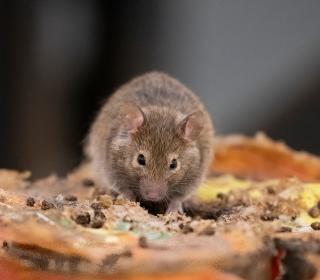
1. Eliminate Access to Food and Water
Mice are opportunistic feeders. To make your property less appealing:
- Store dry foods and pet feed in sealed containers
- Clean up crumbs, grease and spilt liquids
- Empty bins frequently and keep lids tightly closed
- Fix leaking taps and pipes to remove water sources
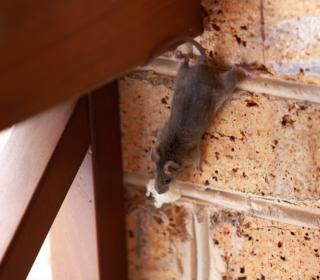
2. Declutter and Clean Regularly
Mice like dark, quiet areas with nesting materials close by
- Avoid using cardboard boxes for storage, mice shred them for nests
- Keep lofts, garages, and cupboards tidy
- Vacuum under appliances and large furniture where food debris collects
- Dispose of wastepaper and fabrics that could be used for nesting
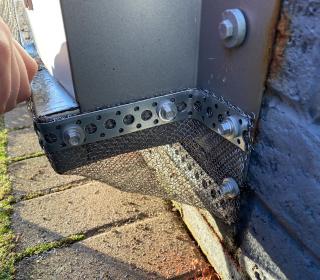
Seal Entry Points
Mice can climb, squeeze, and gnaw their way through almost any weak point.
Inspect the property inside and out:
- Fill holes around pipes and cables using appropriate materials like Rentokil's Flexi Armour Range
- Cover air bricks and vents with fine galvanised wire mesh to keep airflow while blocking access
- Fit bristle strips under doors and repair worn thresholds
- Check loft hatches, roof tiles, and eaves for gaps or damage
A gap around washing machine pipework or a loose floorboard edge can be enough for a mouse to enter. Rentokil's technicians identify and seal these hidden entry points.
Deterring Mice Naturally
Many homeowners sometimes try natural mouse deterrents before opting for professional proofing.
Common Natural Deterrents:
- Peppermint oil: The strong scent may make treated areas less attractive.
- Eucalyptus and citronella: May help mask scent trails that attract rodents.
- Vinegar cleaning: Breaks down trails mice leave behind
- Cinnamon and cloves: Might provide a mild aromatic deterrent for cupboards and corners
Natural scents may provide short-term relief, but mice adapt quickly. Scents are not long-term or scientifically proven to offer significant control benefits. Cleaning and proofing can provide a lasting solution.
How to Prevent Mice in the House
Homeowners can take several simple but effective steps to make their property less attractive to rodents:
- Keep outdoor rubbish bins away from walls and entrances
- Don't leave pet food or bird seed accessible
- Trim back vegetation and tree branches touching walls or roofs
- Keep lawns short and avoid stacking firewood against the house
- Regularly inspect garages, sheds, and attics for droppings or gnaw marks
If activity continues despite taking these steps, contact Rentokil for a professional inspection.
Preventing Mice in Gardens & External Areas
Your garden and property perimeter can provide mice with shelter and easy access routes indoors.
- Remove clutter, compost piles, and debris near walls
- Store garden seed and fertiliser in sealed containers
- Keep drains and gutters cleared and covered
- Fill gaps in paving or foundations where mice may burrow
- Ensure garages and sheds have tight-fitting doors and sealed vents
Overhanging tree branches and climbing plants act as bridges to your roof, trimming them back can prevent access.
Mouse Proofing with Professional Help
While DIY methods can help in the short-term, professional proofing provides the most reliable long-term protection. Rentokil offers tailored mouse-proofing services for both homes and businesses.
Our proofing solutions include:
- Sealing entry points with industrial-grade mesh and sealants
- Installing door and dock seals to stop rodents entering warehouses or basements
- Using Rentokil's Flexi-Armour system for exclusion
- Advising on hygiene and environmental improvements to deter future infestations
FAQs - Preventing a Mice Infestation
-
What's The Best Way to Keep Mice Away?
A combination of blocking entry points, removing food sources, and maintaining good hygiene. Professional proofing offers permanent results.
-
What Scent Keeps Mice Away?
Mice dislike strong scents like peppermint, eucalyptus, or vinegar, but these only work temporarily.
-
How Can I Avoid Attracting Mice?
Keep food sealed, rubbish bins clean, and clutter to a minimum. Regularly inspect your property for gaps or droppings.
-
How do I stop mice from getting into my house?
Seal gaps around pipes, air bricks, and door thresholds. Installing wire mesh or bristle strips is particularly effective.
-
How can I mouse-proof my house?
Inspect both inside and outside your home for holes and seal them using durable materials such as wire wool. Rentokil's professional proofing provides a long term solution.
-
Do cats prevent mice?
While cats can discourage them, they're not a reliable form of pest control. Many cats actually bring live mice into the house as play or "presents," which can unintentionally spread the problem.
Contact Us
Next Steps
Dealing with Mice
Helpful information on getting rid of mice
Find your local branch
Please try again...