As proud PCA members you can be sure all work carried out is of the highest quality
For 60+ years we have protected properties across the UK from woodworm, damp and rot
Rated Excellent on Trustpilot Committed to Customer Service
Signs of Woodworm
The key to stopping an active woodworm infestation in your home is identifying the telltale signs early. Often woodworm can remain hidden in timber for years, meaning unless identified you won’t know you have a woodworm problem until the resulting damage becomes visible.
If left untreated, woodworm infestations can cause damage to all manner of timber, including structural joists and beams, wooden furniture and even flooring and skirting boards.
Rentokil Property Care have put together a guide to identifying the signs of woodworm, and where they are most commonly found in a property.
We have been dealing with woodworm infestations in homes and businesses for decades, and have a number of CSRT and CSTDB qualified surveyors who are experts in identifying woodworm, and will provide you with detailed recommendations for treatments, if required. We are Property Care Association Members and have a number of branches across the United Kingdom, meaning we have qualified and experienced surveyors and technicians local to you.
It is often difficult to spot an active woodworm infestation as the larvae remain hidden inside wood throughout the year. Often woodworm infestations are discovered only when the timber loses its strength, and joists or floorboards give way. It is worthwhile when in hard to reach areas of your property, like sub floor voids, behind panelling or in the attic, to keep an eye out for the signs of an active infestation.
The most commons signs of an infestation include:
Flight or Exit holes
Flight or exit holes are the holes the adult beetles emerge from and are a common sign that there is or has been woodworm activity in timber. Sometimes these can be old and may not indicate a problem. If new holes appear, or if they appear clean, rather than dusty, this could indicate an active infestation.
Bore Dust (Frass)
Bore dust, also known as frass, falls out of flight holes or cracks in the timber when it is disturbed by the movement of larvae or emerging adult woodworm beetles. This is usually visible around exit holes, and around the infested timber. Frass is the dry larval woodworm droppings produced as they digest wood. Fresh clean frass is one of the most telling indicators of an active infestation.
Crumbling Wood
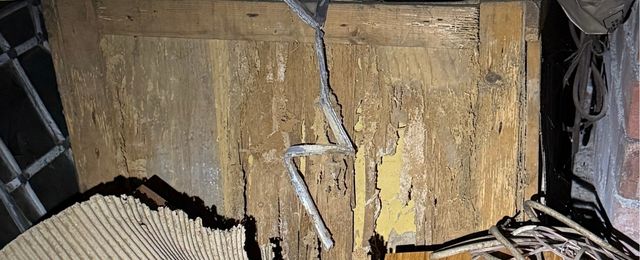
Crumbling and weakened timber is caused by multiple exit holes and internal tunneling. In many cases, it is only the outer pale sapwood that is badly damaged, whilst the dark heartwood is largely unaffected. Damage is often found on roof timbers and under floorboards or joists. Crumbling wood is the most likely sign if the infestation has been undisturbed for years. It can sometimes be confused with other timber damage, such as fungal decay, so accurate diagnosis is key.
Tunnels in wood
Tunnels in wood, also known as galleries are the result of woodworm larvae boring through the infected timber, these tunnels are often hard to see. They are only obvious if bark drops off, the surface breaks away or is planed. They are best identified by cutting through timber.
Live adult beetles
As the adult beetles emerge between April and September, it is possible to see them throughout a property, depending on where the infestation is. Often they will be found on window sills, as they instinctively head towards sunlight. If the infestation is in the attic, they may be visible on stored goods.
Woodworm Larvae
In active infestations, the woodworm larvae are usually a creamy-white colour and curved in shape, however, these are rarely seen as they are hidden inside timber. In severe damage they may be visible, or if timber is broken open.
If larvae are seen crawling over the surface of timber they are more likely to be moth, fly or stored product beetle larvae.
If you have these signs of woodworm it could mean you have an active infestation in your property. If you are unsure about the next steps, a professional damp and timber survey from a qualified surveyor can help provide answers, and long term treatments if necessary.
Where will I spot Woodworm?
Woodworm infestations will often be in concealed areas in the property such as under the stairs, attics and lofts or under floorboards in the sub floor void. This is because these areas tend to have a higher level of humidity, and can often have the damp conditions that some types of woodworm require.
Live beetles are often spotted on window sills during the summer months, as they emerge and instinctively head towards the sunlight.
Sometimes woodworm can be spotted on furniture, especially older second hand furniture or antiques. The ply backing of wardrobes are common hot spots for woodworm infestations.
Stored goods in attics or the garage can provide the conditions favourable for a woodworm infestation, which then spreads to structural timbers.
What time of year does Woodworm spread?
The woodworm flight season, the period where the adult beetle will emerge from timber to mate, is between April and September. This is the most common time to spot live woodworm, as they fly and crawl in order to find a mate, spreading throughout a property. Once eggs are laid and hatched, the larvae will continue the lifecycle throughout the year.
Spotted Signs of Woodworm? Next Steps:
If you have spotted signs of a woodworm infestation, and are unsure what to do next, you may require specialist advice from a professional damp and timber surveyor. They can provide advice on whether or not the woodworm infestation is active or not, and if so, if treatments are required.
Often woodworm infestations are no longer active, so may not require any treatments, and if that is the case, our surveyor will let you know. Many older properties with old timber may have exit holes from old infestations, but are now perfectly fine. A survey can help provide peace of mind.
Woodworm Survey
A woodworm survey, sometimes referred to as a damp and timber survey, is carried out by a CSRT or CSTDB qualified surveyor, and is used to confirm whether or not a woodworm infestation is active, and if treatment is necessary.
They will carry out a thorough inspection of timber to understand the extent of the woodworm issue, the type of species involved and will confirm the treatment plan, including the use of insecticidal treatments and timber repairs.
A detailed inspection of a suspected woodworm infestation is crucial as different beetles may require different treatments, and the problem can often be hidden from sight. In some cases, our surveyor will need to lift floorboards or access roof voids to fully investigate the affected area. The surveyor will provide you with an easy to understand survey report, outlining the findings, and only if required, recommendations for treatments.
Rentokil Property Care have a number of PCA qualified surveyors who can help provide you with answers and long term solutions.
Woodworm Treatment
If an active infestation is confirmed, and you choose to go ahead with the recommendations in the survey report, our experienced technicians will then carry out specialist woodworm treatments. The scope of work will depend on the extent of the damage, as timber that is structurally damaged or weakened will require removal and replacement.
Our technicians will then apply specialist insecticidal products that eliminate woodworm on contact, or are ingested by the larvae. This breaks the life cycle and removes the infestation. We have local technicians who are skilled in joinery and will carry out repairs to the highest industry standards. They will talk you through the process from start to finish, while ensuring that you face minimal disruption.
Unless specified in the survey report, our woodworm treatments typically come with a 30-year guarantee, giving you peace of mind the problem is solved long term.
Why Rentokil Property Care?
Rentokil Property Care are experts in woodworm and timber solutions, and have been offering professional solutions for decades. We provide help to homeowners, social housing providers and commercial clients across the country with personalised advice for woodworm infestations.
PCA approved: Rentokil Property Care are a proud founder member of the PCA and have a range of CSTDB, CSRT and CSSW qualified surveyors operating out of our network of local branches.
Which? Trusted Trader: We are endorsed by Which? Trusted Trader - meaning our customer service and workmanship has passed the rigorous trading standards assessments.
Trustpilot: Our damp proofing, structural repairs and timber treatments are rated ‘Excellent’ with over 1,000 reviews from our customers - showcasing our professionalism.
Long Term Commitment: From our origins in the 1920’s to the present day, we have outlived our guarantees several times over. This means you can have complete peace of mind from a Rentokil Property Care guarantee - up to 30 years for some of our services.