
Call us for a quote on 0808 163 1487
Fly Prevention
Flies can become a fast-moving problem in homes and business premises, especially where food, waste, or moisture are easy to find. They are more than a nuisance, since flies can carry bacteria from dirty surfaces onto food preparation areas and other high-contact spaces. Good fly prevention focuses on:
- Removing what attracts them
- Blocking entry points
- Keeping indoor and outdoor areas clean
However, the right approach may vary depending on the fly species, the season, and how severe the activity has become. While small issues can often be managed with practical DIY products, repeated sightings may point to a hidden breeding source that needs professional fly control.
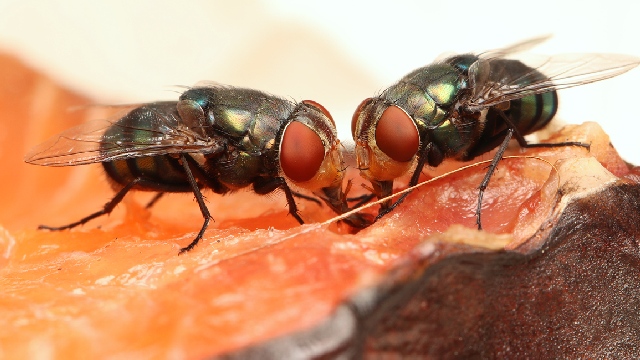
Fly Deterrent: Keeping Flies Away
If you need to prevent flies, here are some practical steps you can take to help deter them. These steps involve making changes indoors and outdoors to cover all potential hot spots and ensure effective fly control.
Start by reducing what attracts flies, since exposed food, spills, waste, and damp areas can quickly draw them in:
- Indoors: focus on kitchens, bin areas, storage rooms, and pet spaces
- Outdoors: check drains, compost, animal waste, and standing water.
However, prevention works best when these tasks are done often, not just when you first notice a few flies. By combining good hygiene, entry blocking, and simple monitoring, you can lower the risk of a fly infestation in your premises.
How to Prevent Flies
Flies are a nuisance pest for homes and businesses. A fly infestation could pose a serious health risk, as flies are known to spread diseases such as Salmonella and E. coli. They often pick up bacteria from waste, drains, and animal matter, then transfer it to surfaces and food. This makes fast, practical fly control important in kitchens, storage areas, dining spaces, and bin zones.
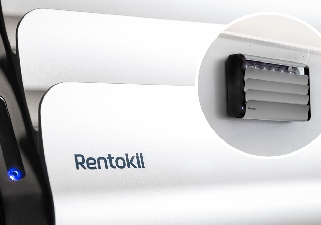
Lumnia LED Electric Fly Killer
Rentokil Lumnia LED fly killers are critical for preventing flies indoors where food is readily available. They attract, eliminate and contain flying insects, while supporting better hygiene standards.
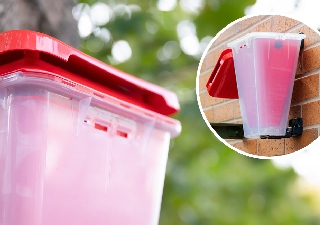
EcoCatch Fly Trap
Outdoor EcoCatch fly traps intercept flies before they reach your doors. Flies move fluidly between waste, drains, and food prep areas, leading to rapid surface contamination, so stopping them is essential.
Speed is critical in fly management; left unaddressed, a minor problem can rapidly turn into a costly infestation. For recurring or widespread issues, an integrated control strategy is essential. Combining indoor Lumnia LED fly killer units with outdoor EcoCatch fly traps establishes a comprehensive perimeter defence—securing your premises right when warmer weather triggers peak fly activity.
Fly Deterrent Tips
- Deny flies access - by keeping doors and windows closed after dark, or block out the light with curtains, blinds or nets, as indoor lights can draw them inside.
- Fit fly screens - to windows, , especially near kitchens and waste areas, while checking them often for gaps or damage.
- Cover food - and store it properly, because flies can spread bacteria when they land on meals, fruit, or preparation surfaces.
- Clear food debris – crumbs, sticky spills and grease immediately, and particularly clean under kitchen units and appliances where hidden waste can build up.
- Bins - ensure all outdoor dustbins and indoor bins are tightly sealed, moreover, wash them regularly to reduce odours that attract flies.
- Clean up pet waste - promptly, because it creates an ideal breeding site and increases hygiene risks, as flies can feed on faeces before landing on your food.
- Remove dead flies - when you find them, as they can attract other pests and add to an ongoing infestation problem. Flies are a tasty snack for other pests such as carpet beetles.
- Cover water butts – outside, with well fitted lids to deny access
- Remove standing water - (in watering cans, gutters, over watered pot plant containers for example) as certain types of flies breed in standing or stagnant water, such as mosquitoes. Most flies, however, actually need a combination of water and decomposing organic matter or slime to survive.
- Ponds - maintain ponds carefully, since damp areas can support larvae and other flying pests. Introduce goldfish to your pond as they will eat fly larvae.
Fly Deterrent Facts: What attracts flies?
Not all flies are attracted to the same things. Their behaviour is driven by distinct feeding and breeding habits:
- Common house flies: flock to waste and decaying organic matter such as faeces and rotting meat.
- Fruit flies: target fermenting sugary substances and feed more commonly on overripe fruit, spilled soft drinks and alcohol residue.
- Drain Flies: seek out damp organic sludge inside pipe networks.
- Horse Flies: actively track host heat, motion, and carbon dioxide.
Since different fly species seek out different food sources, prevention works best when you remove the exact materials that attract them. Therefore, empty bins often, wipe up sweet residues quickly, and store food in sealed containers.
Although a few flies may seem harmless, they can contaminate surfaces and increase hygiene risks in kitchens, bin areas, and food handling spaces. Checking hidden spots such as drains, under appliances, and recycling containers can help stop a small fly problem from becoming an infestation.
Are Natural Fly Repellents Effective?
Natural fly repellents rely on intense botanical aromas—such as lemon eucalyptus, peppermint, and eugenol-rich cloves—to overwhelm and confuse an insect’s olfactory receptors.
By masking the food and decay smells that attract flies, options like diffusers, homemade essential oil sprays (blending lavender, lemongrass, or citronella with water and alcohol), or live potted herbs (such as basil, mint, and marigolds near windowsills) can form an aroma barrier. However, because plant volatiles evaporate rapidly, frequent reapplication is essential, and is not an effective long-term solution.
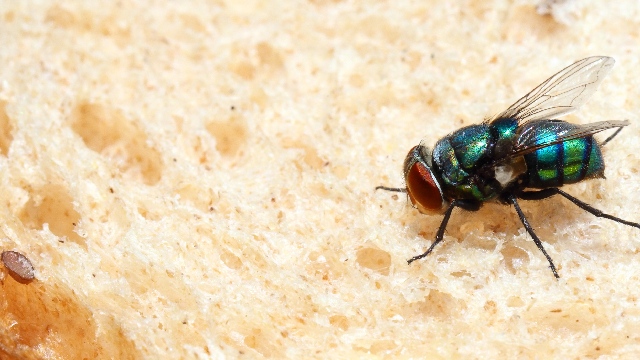
How Rentokil Can Help Keep Flies Away
We can offer you a range of DIY fly products to control a small infestation. These options can work well when fly activity is light and the source is easy to remove.
However, if flies keep returning, the problem may involve hidden breeding sites or poor exclusion points. You will need professional advice and targeted treatment for larger or re-occurring fly infestations. A trained technician can identify the fly species, locate entry routes, and recommend practical fly prevention steps.
If you are worried about flies, Rentokil can offer more professional fly control solutions including our internal Lumnia LED electric fly killers and external EcoCatch fly traps. These systems help reduce fly activity indoors and outdoors, while supporting better hygiene in homes and businesses.
Fly Deterrent FAQs
-
What is the best deterrent for house flies?
The most effective house fly deterrent is an integrated approach: sanitation combined with light traps. Eliminating food sources and damp waste removes their primary attractants, while indoor Lumnia LED fly killers provide continuous hygienic capture. For natural deterrents, high-concentration essential oils like peppermint and eucalyptus may temporarily disrupt their sensory navigation.
-
What helps keep flies away?
Keeping flies away requires eliminating attractants and disrupting their sensory receptors. Promptly sealing rubbish, cleaning food spills, and fixing leaky pipes removes breeding sites. Circulating air with ceiling or desk fans creates wind currents flies find difficult navigate, while natural scents like citronella, lemongrass, and cloves may help short-term to repel them from specific areas.
-
How do I stop flies from getting in my house?
Stop flies at entry points by installing mesh window and door screens and applying weather stripping around frame gaps. Keep doors closed, place outdoor fly traps (like EcoCatch) at least 20 feet away from entrances and use air curtains or directed fans above high-traffic entryways to blow insects away.
-
What is the best thing to repel flies?
For lasting space protection, mechanical controls outperform volatile repellents. The most effective solution combines indoor electric LED fly killers, which continuously attract and trap insects, with external professional fly traps positioned around the perimeter to intercept pests before entry. Personal repellents like DEET or Picaridin remain ideal for direct skin protection, while essential oils offer only temporary results as their strong volatile compounds mask food odours, but evaporate rapidly.
Next Steps
Flies Information
Find out more information about controlling a fly infestation.